Complete Guide to Buying a Handpan in Australia
Buying your first handpan can feel overwhelming. With prices ranging from a few hundred dollars to well over $5,000, dozens of scales available, and endless opinions online, many beginners are not sure where to start.
This guide explains everything you need to know before buying a handpan in Australia, including pricing, scales, tuning frequencies, materials, local support, maintenance, and common mistakes to avoid.
- D Kurd is the safest beginner scale.
- Choose 440Hz unless you have a strong preference for 432Hz.
- A 10-note handpan is usually the best balance for beginners.
- Stainless Steel or Ember Steel are great choices for most Australian players.
- If possible, try before you buy.
What Is a Handpan?
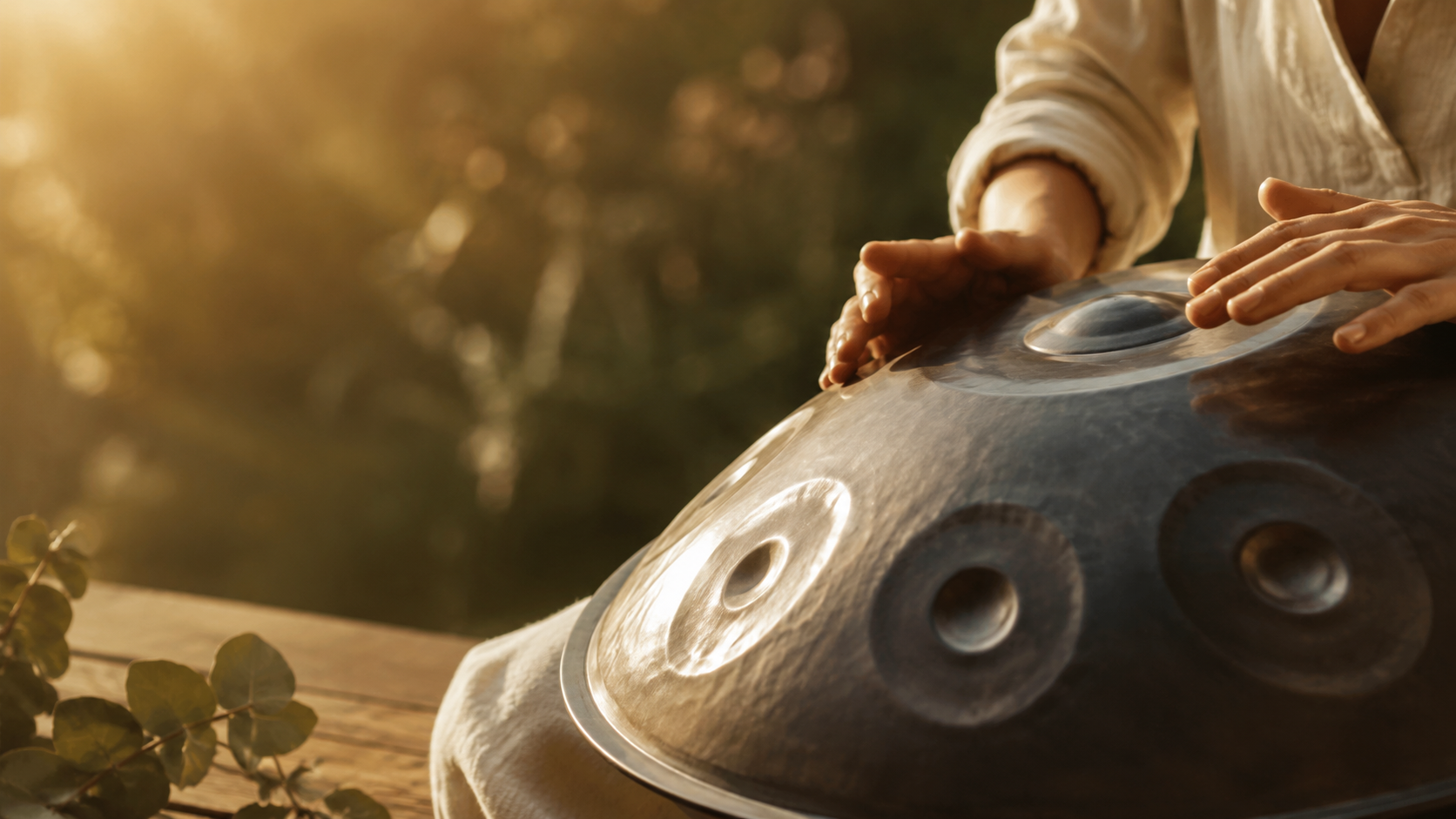
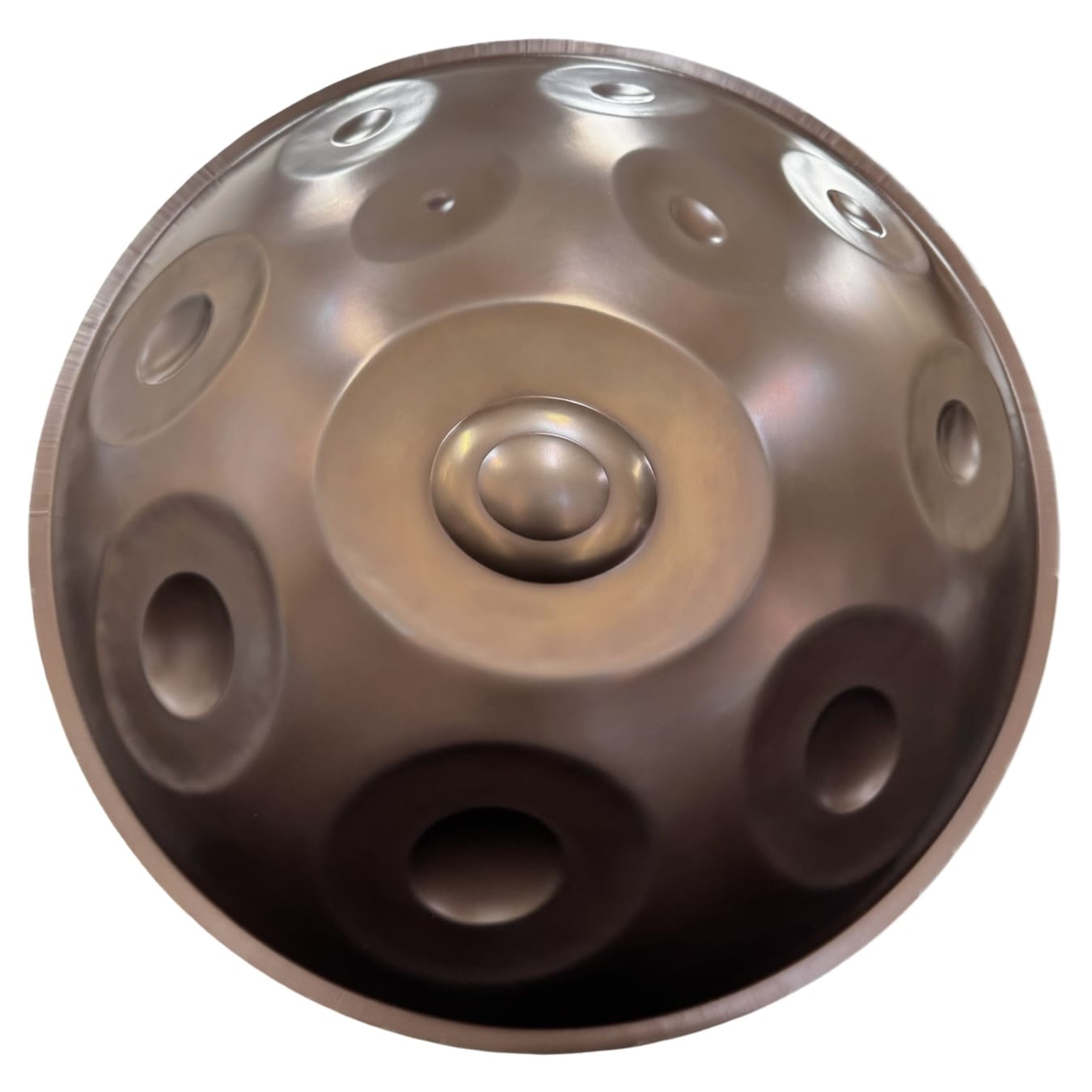
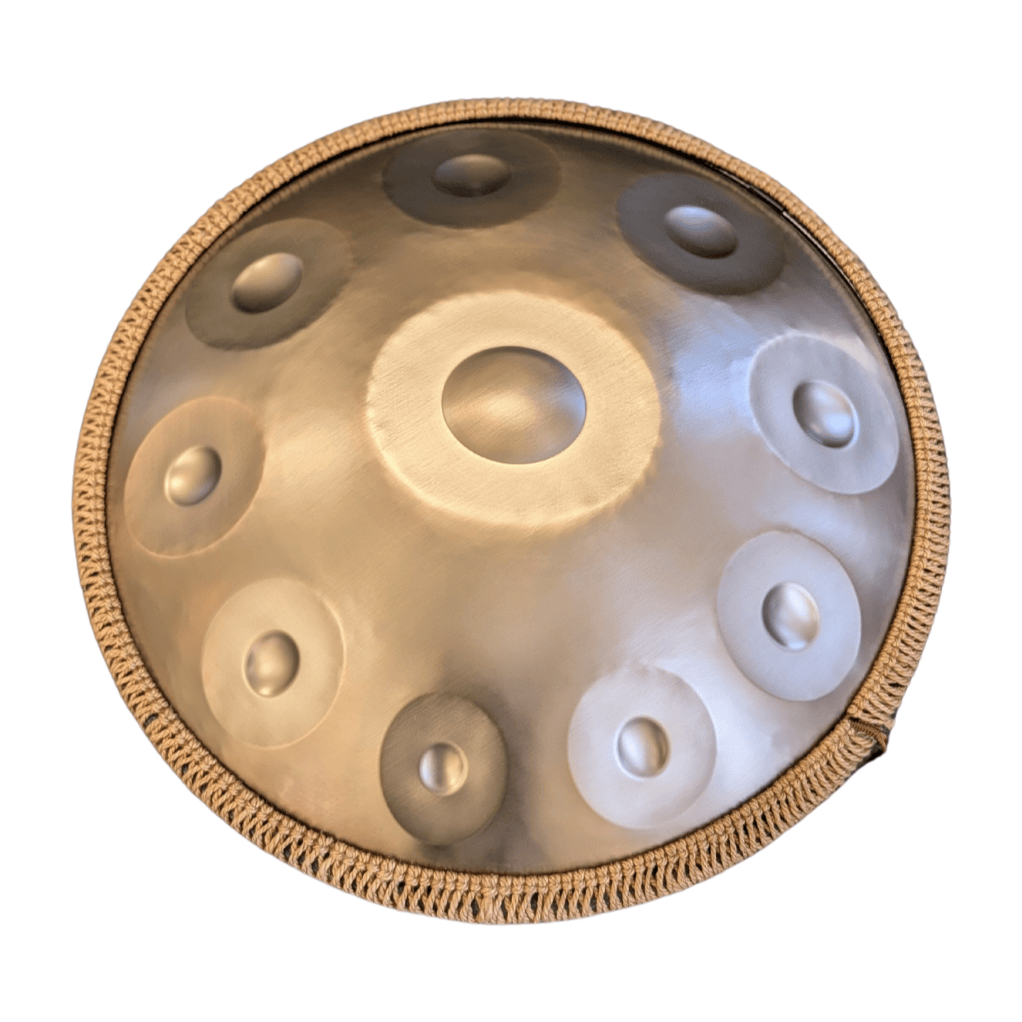
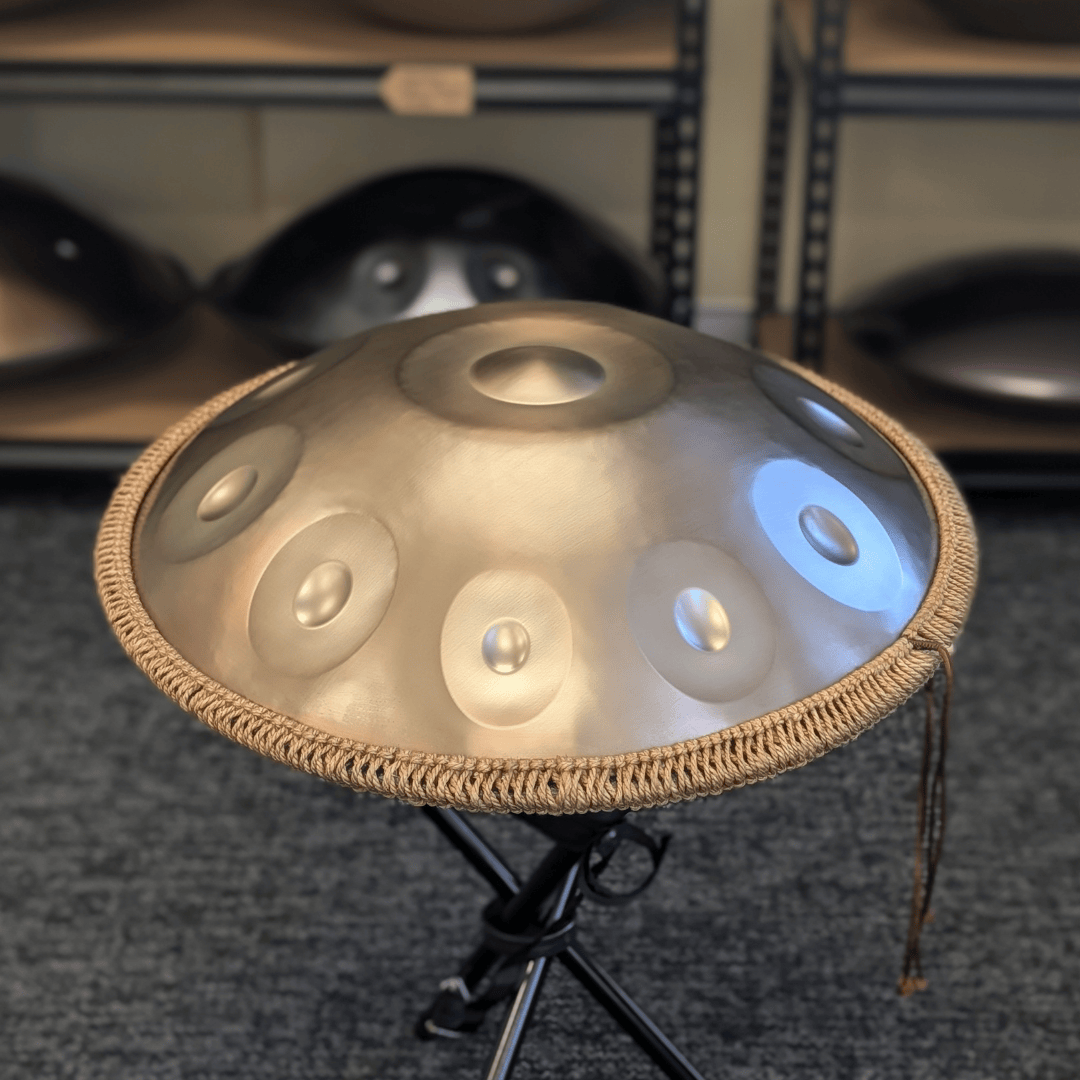
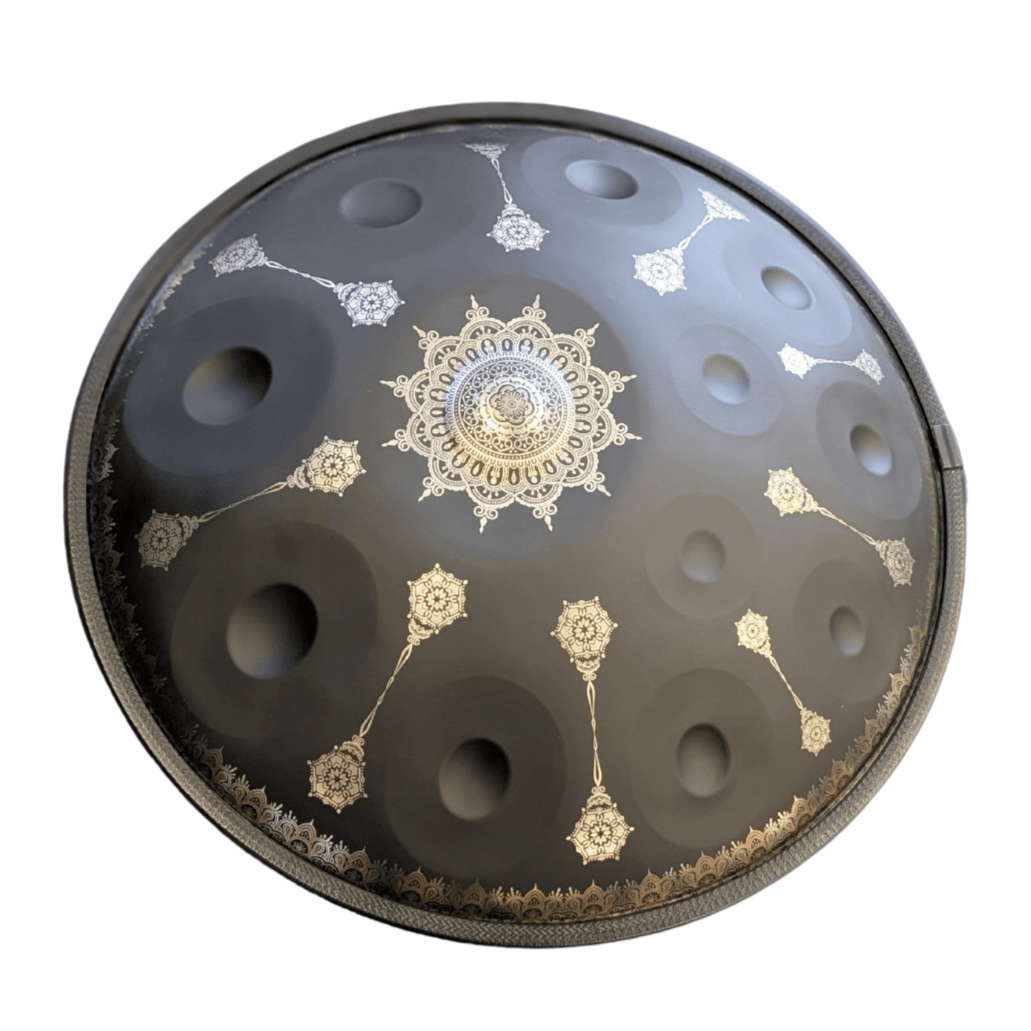
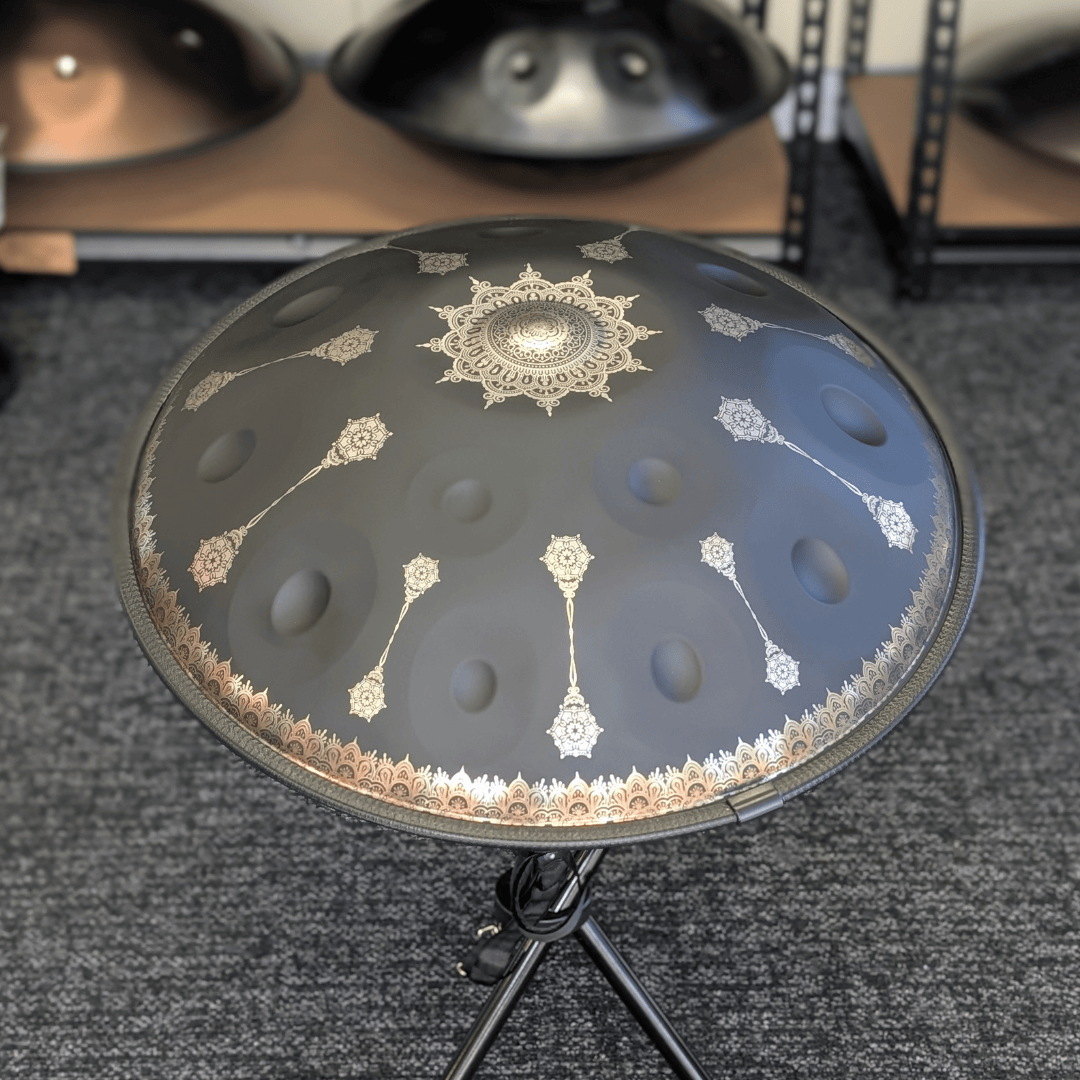
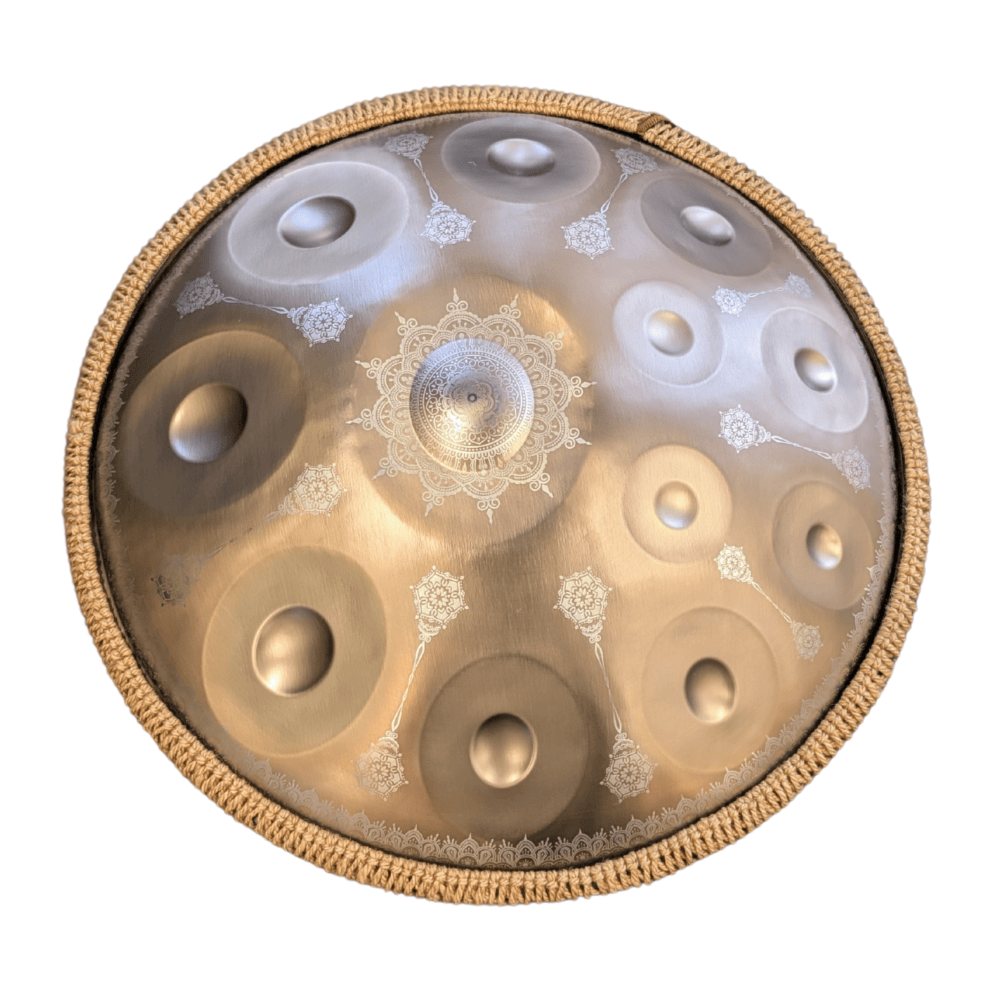
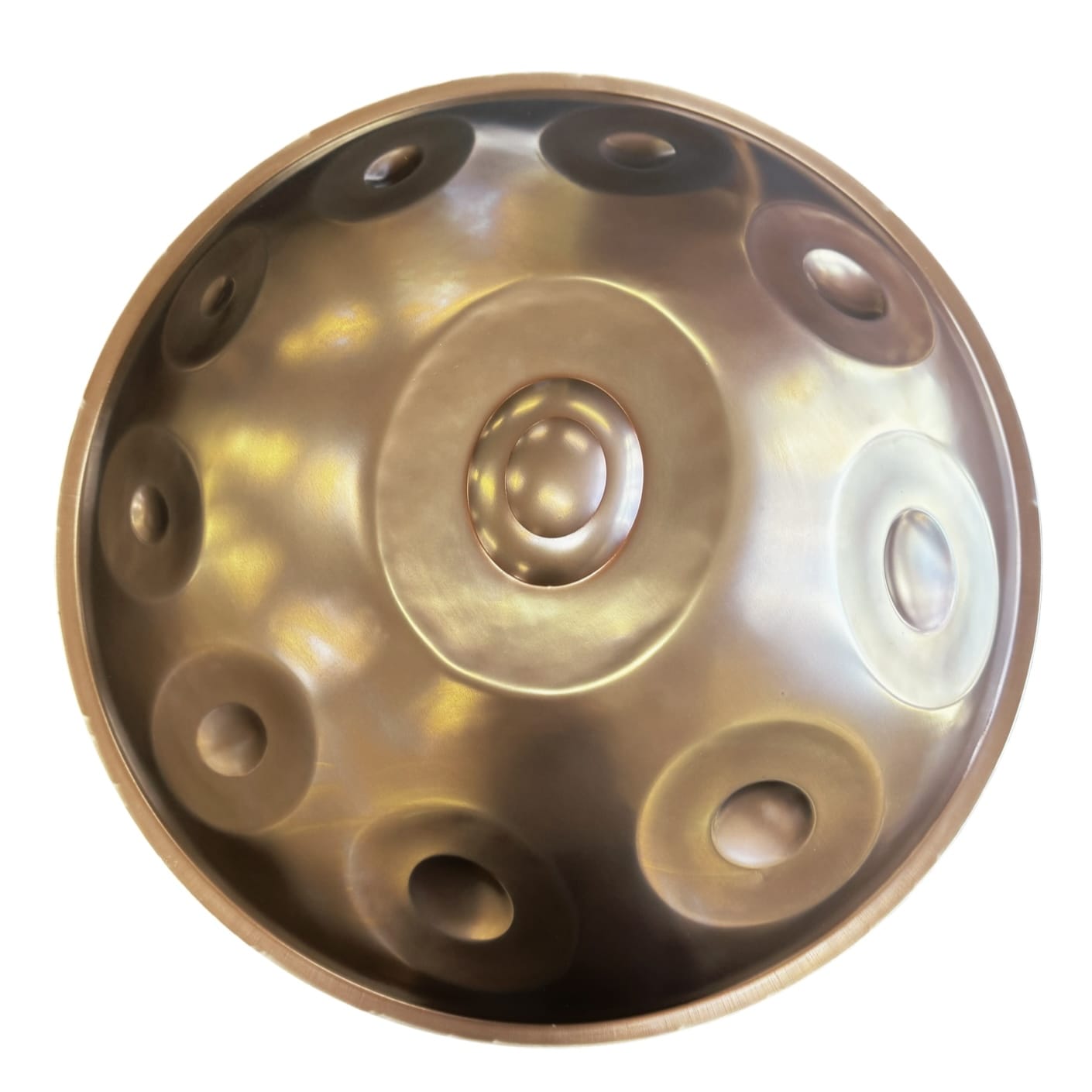
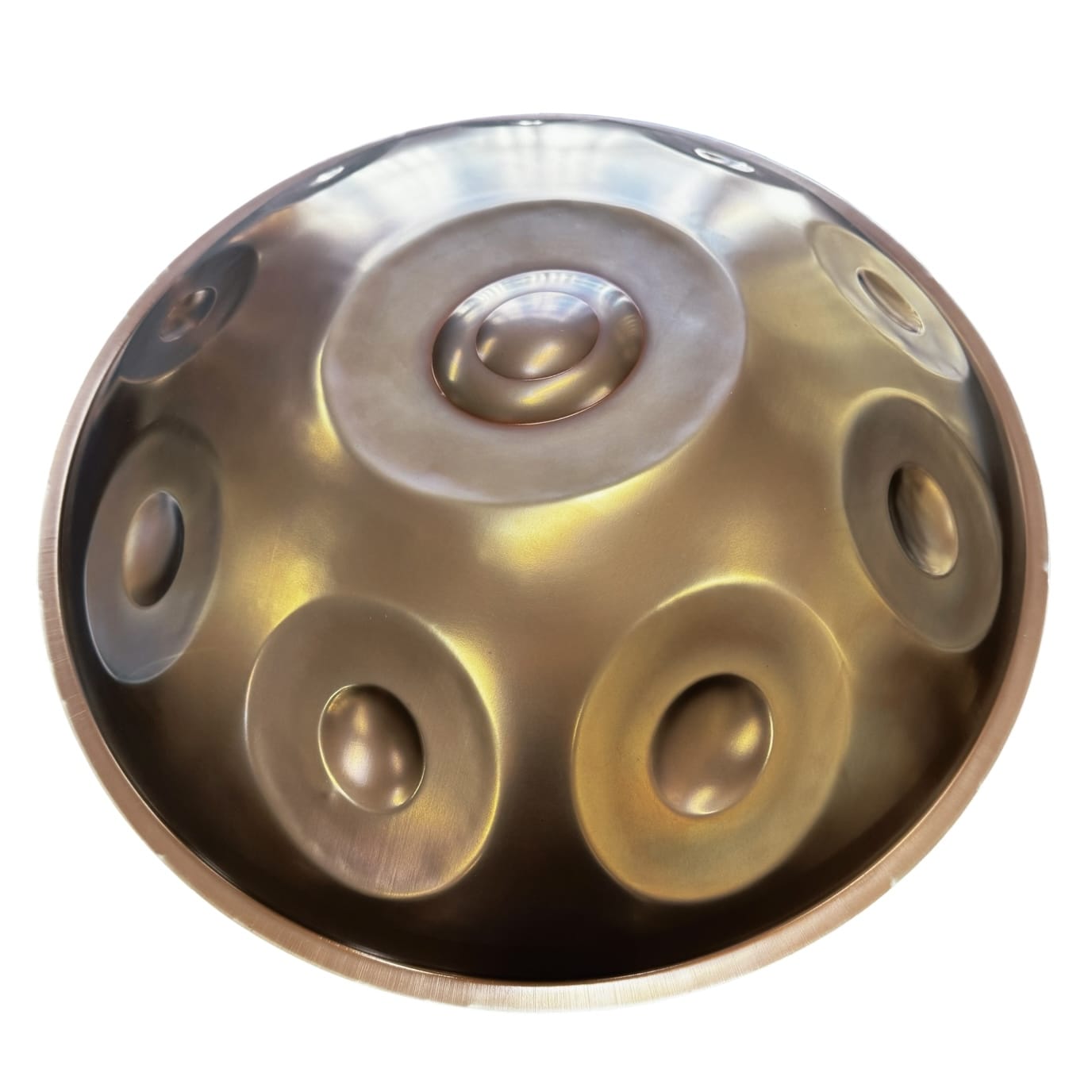
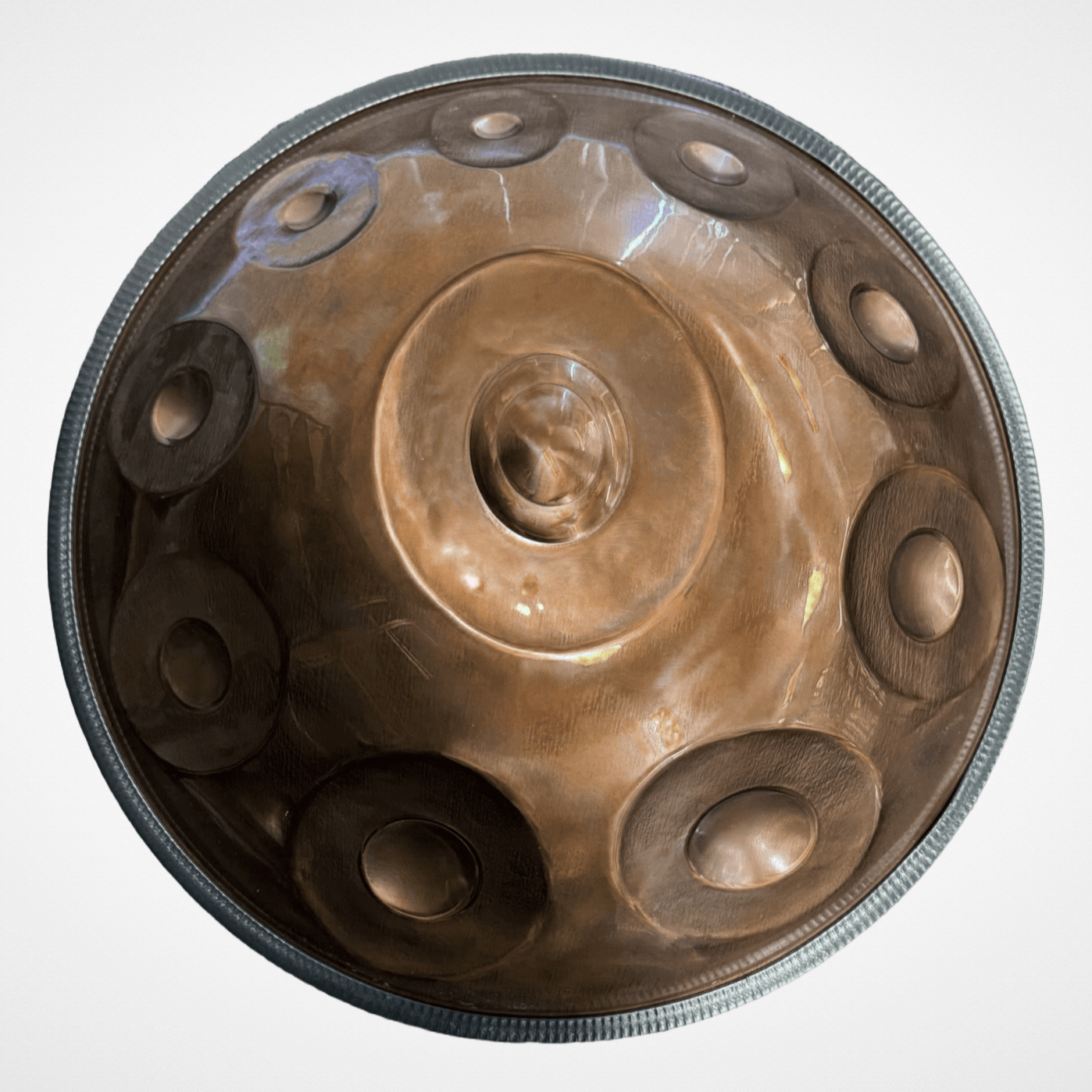
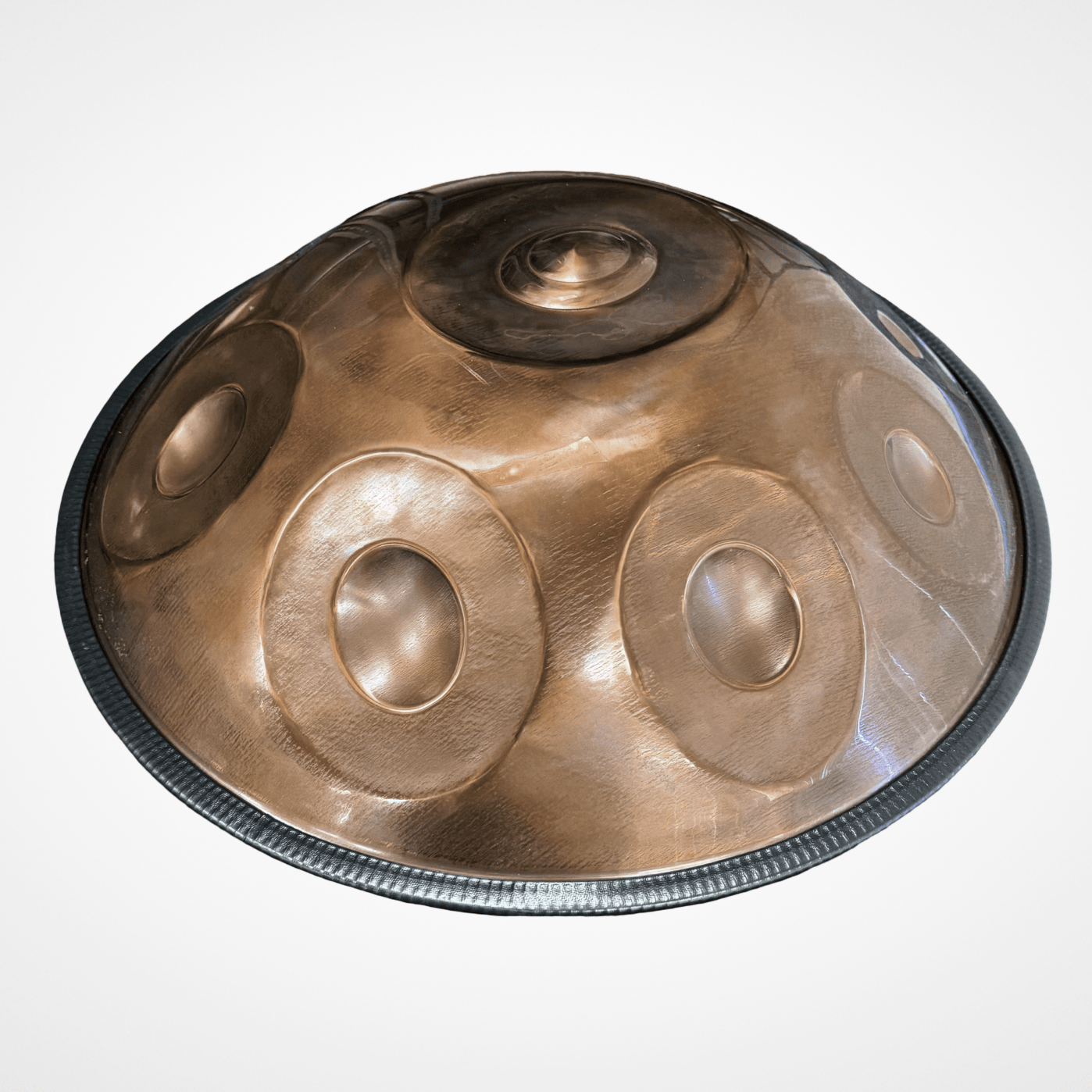
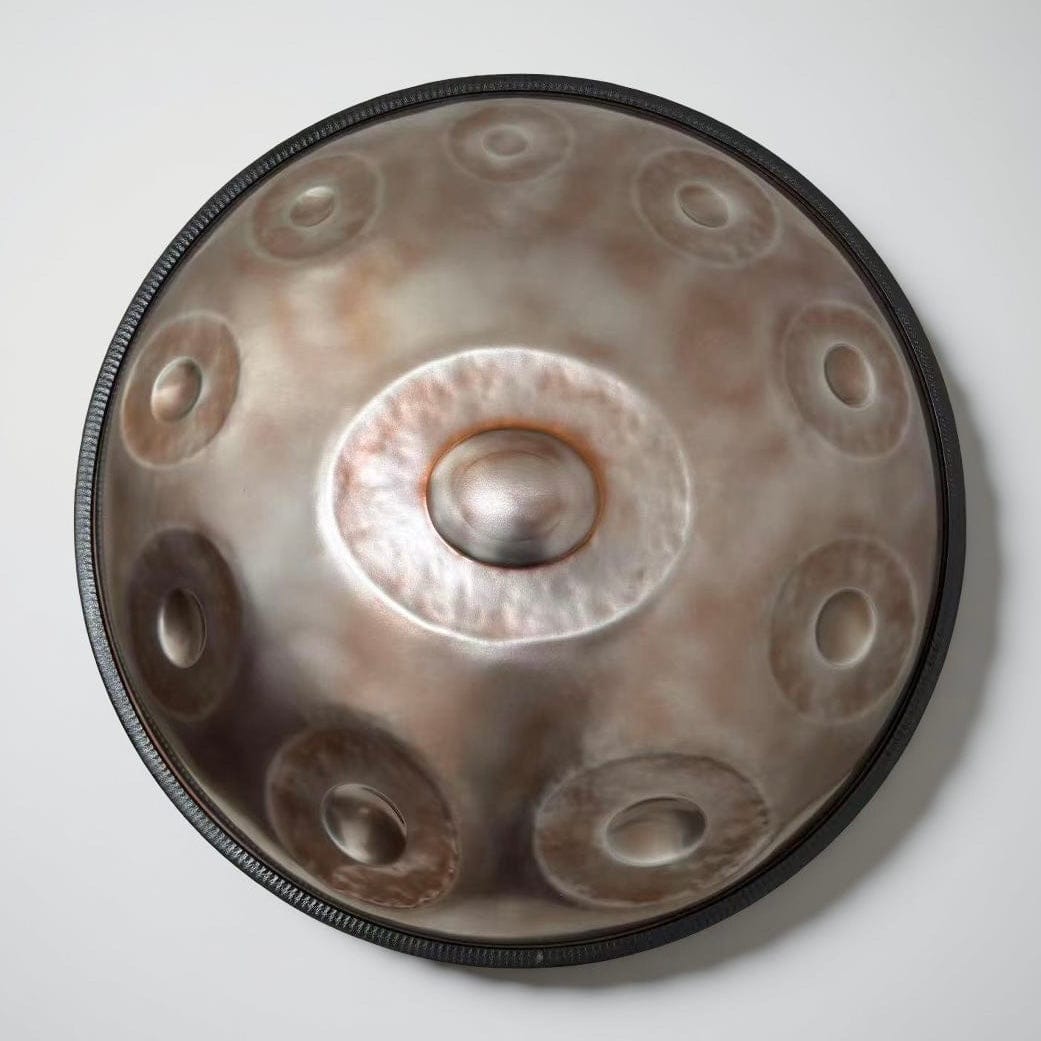
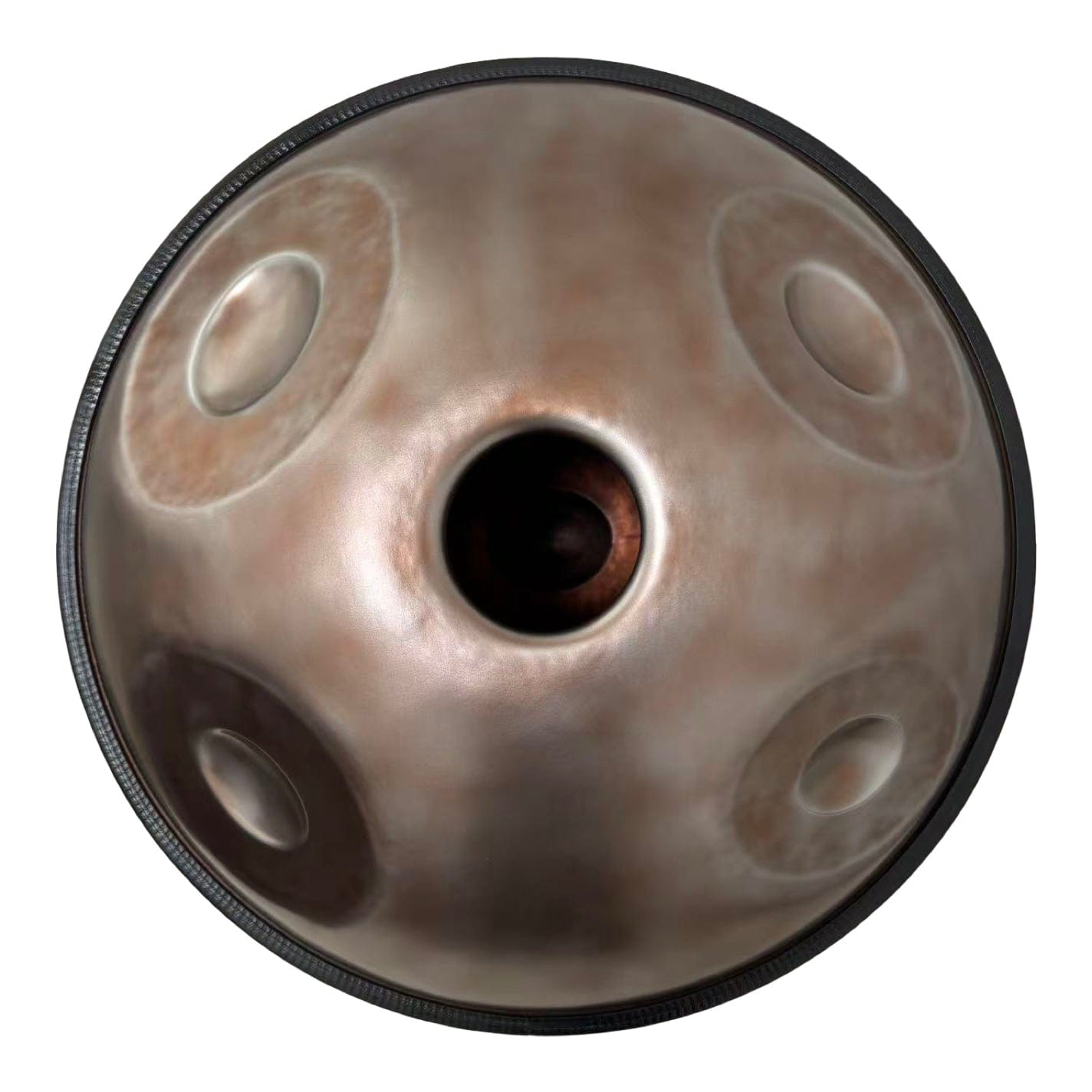
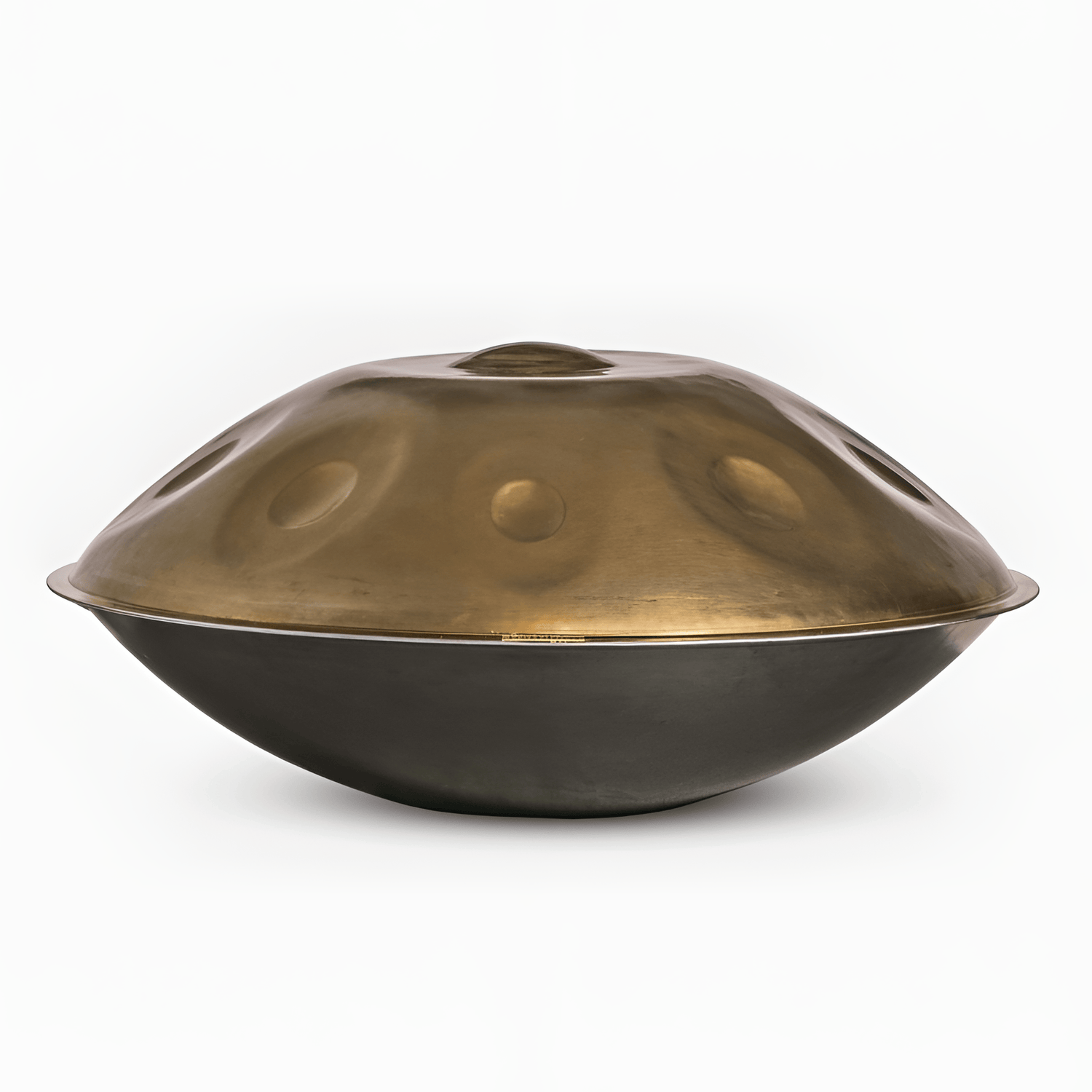
A handpan is a melodic percussion instrument played with the hands and fingers. Each note is carefully shaped and tuned into the steel surface, allowing players to create melodies, rhythms, and atmospheric soundscapes without needing years of musical training.
One of the reasons handpans are so loved is that they are intuitive. Unlike piano or guitar, there are no “wrong” notes within the scale, so complete beginners can often create beautiful music from their very first session. Their sound is also unique, relaxing, and almost otherworldly — like discovering music from a different world.
How Much Does a Handpan Cost in Australia?
One of the most common questions beginners ask is why one handpan costs $700 while another costs $4,000 or more. The difference usually comes down to craftsmanship, tuning quality, material, finishing, and long-term tuning stability.
Beginner Handpans
$500–$1,200
Designed to make the instrument more accessible. A good beginner handpan should still sound pleasant, hold tuning reasonably well, and be enjoyable to play.
Mid-Range Handpans
$1,200–$2,500
Usually offer better note separation, cleaner sustain, improved resonance, and a more responsive playing surface.
Premium Handpans
$2,500–$5,000+
Built by highly experienced makers with more time spent on tuning, stabilising, finishing, and balancing the instrument.
Why Are Handpans So Expensive?
Handpans are among the most labour-intensive instruments to build. Unlike many factory-made instruments, a handpan must be individually shaped, tuned, re-tuned, and stabilised by a skilled maker.
A premium handpan may go through multiple tuning stages before it is ready. The maker is balancing pitch, sustain, harmonics, note separation, resonance, and structural stability. This is why two handpans that look similar can feel completely different to play.
What Is the Best Handpan Scale for Beginners?
The scale determines the notes your handpan contains. Different scales create different moods, and choosing the right one makes a big difference to your learning experience.
D Kurd: The Safest Beginner Choice
If you are buying your first handpan and feel unsure, D Kurd is usually the safest choice. It is one of the most popular beginner scales because it is versatile, intuitive, and widely used in lessons and online tutorials.
- Most online learning material is made for D Kurd
- Many handpan teachers and workshops use this scale
- It is easy to improvise with
- It works well for both peaceful and rhythmic playing
Celtic Minor
Celtic Minor has a dreamy, floating character that feels calm, spacious, and deeply atmospheric. It is a popular choice for relaxation, meditation, sound healing, and emotional playing. While it is not quite as common as D Kurd, it is still very beginner-friendly, and there are now more tutorials, lessons, and online resources available for those wanting to learn this beautiful scale.
Pygmy Scales
Pygmy scales are known for their deep, earthy, and grounding character. Their rich, atmospheric sound makes them a popular choice for meditation, sound journeys, emotional compositions, and slow, reflective playing. They have a unique ability to feel both calming and powerful at the same time, which is why they resonate so strongly with many players. Once considered a niche scale, Pygmy handpans have grown rapidly in popularity and are now among the most sought-after options for those looking for a more immersive and meditative playing experience.
If you're still deciding between scales, you may also enjoy our guide to the most popular handpan scales .
How Many Notes Should You Choose?
Modern handpans usually contain between 8 and 21 notes. More notes give you more musical possibilities, but they also increase the cost and complexity.
| Number of Notes | Best For | Beginner Friendliness |
|---|---|---|
| 8 Notes | Simple playing, lower budget, first exploration | Very easy |
| 9–12 Notes | Most beginners, online tutorials, flexible playing | Best overall balance |
| 12+ Notes | Experienced players, custom scales, wider compositions | More complex |
For most first-time buyers, a 9, 10, 12, or 14-note handpan can all work well. A 9-note handpan is the simplest option and works perfectly for beginners, with many tutorials and lessons built around this layout. A 10-note handpan offers a little more room to grow and is often the option we recommend if the budget allows.
If your budget stretches further, 12 or 14 notes can also be an excellent choice. The additional notes don't make the instrument harder to learn — they simply provide more musical possibilities as your skills develop.
432Hz vs 440Hz: Which Should You Choose?
432Hz vs 440Hz is probably the most confusing topic in the handpan world and one that attracts the most myths and misinformation. One of the biggest misconceptions is that 432Hz sounds dramatically better than 440Hz or produces a higher-quality instrument. In reality, neither is inherently better than the other. The difference is simply the tuning reference used, and the gap between them is only 8Hz.
For most people, if they were not told which instrument was tuned to 432Hz and which was tuned to 440Hz, they would struggle to reliably tell the difference. The choice has nothing to do with sound quality, craftsmanship, tuning stability, or how "good" a handpan is. A well-made 432Hz handpan and a well-made 440Hz handpan can both sound beautiful.
Ultimately, choosing between 432Hz and 440Hz is a matter of personal preference rather than quality. The most important factors remain the sound, scale, craftsmanship, and overall playing experience of the instrument itself.
What Is 440Hz?
440Hz is the standard tuning used by most modern instruments, including piano, guitar, violin, and most orchestral instruments. Most lessons, backing tracks, workshops, and group playing situations assume 440Hz.
What Is 432Hz?
432Hz is an alternative tuning standard that has become popular in some meditation and sound healing communities. Some people describe it as sounding slightly softer or more relaxed, while others — particularly musicians who are trained on standard-tuned instruments — may find it sounds slightly unusual or out of tune.
The reality is that the difference is quite subtle. For most people, a 432Hz handpan and a 440Hz handpan sound very similar. Ultimately, neither is better than the other — it simply comes down to personal preference and how you intend to use the instrument.
Stainless Steel, Ember Steel & Nitrided Steel Handpans
The material affects the sound, sustain, touch, and character of the handpan. No material is automatically better than another — they simply suit different players, climates, and playing styles.
Stainless Steel
- Longer sustain
- Rich overtones
- Softer, more ambient sound
- Popular for meditation and sound healing
- Generally easier to care for
Ember Steel
- Specialised type of stainless steel
- Long sustain with a warmer, more controlled character
- Rich, resonant, and highly responsive feel
- Excellent corrosion resistance
- Popular for meditation, sound healing, and melodic playing
Nitrided Steel
- Shorter sustain
- Clearer attack
- More percussive response
- Often preferred by rhythmic players and performers
- Many modern nitrided handpans have excellent stability and rust resistance
Which Is Better?
It depends on your taste. If you love long, floating notes, stainless steel / ember steel may suit you. If you prefer cleaner rhythm and faster note response, nitrided steel may feel better.
For most beginner Australian players, we generally recommend either Stainless Steel or Ember Steel. Australia's climate can be challenging for steel instruments, with changing humidity, temperature fluctuations, and coastal conditions. Many of our customers also enjoy taking their handpans to parks, beaches, workshops, and outdoor gatherings, where the additional corrosion resistance of stainless-based materials can be an advantage.
That said, this recommendation is primarily aimed at beginners and casual players. Many experienced handpan players and professional performers prefer nitrided steel for its distinct playing feel and sound character.
It's also important to understand that modern handpan craftsmanship has improved significantly over the years. Many well-made nitrided steel handpans now offer excellent tuning stability and rust resistance, making material choice far less clear-cut than it once was.
Ultimately, material is just one piece of the puzzle. Sound quality, tuning stability, craftsmanship, and the overall connection you feel with an instrument are usually far more important than whether it is made from Stainless Steel, Ember Steel, or nitrided steel. We would never consider material alone a deal-breaker when choosing a great handpan.
Can Handpans Be Retuned?
Yes, handpans can often be retuned, but the full answer is more complicated than a simple yes or no.
Successful retuning depends on the original maker, material, note layout, existing tuning condition, structural integrity, and how much tuning room the instrument has left.
Why Some Handpans Are Harder to Retune
Some instruments retune beautifully. Others become unstable after major tuning work, especially if the steel has already been pushed too far or the original build quality was poor.
This is why tuning stability from the beginning matters so much. A cheaper handpan may seem like a bargain at first, but if it becomes hard or uneconomical to service later, the long-term value may not be as strong.
Do Handpans Go Out of Tune?
A well-made handpan should remain stable for many years under normal use. Minor drift over a long period is normal, but sudden tuning problems usually happen after physical impact, heat exposure, or improper transport.
It's also worth remembering that a handpan is a living acoustic instrument, not a digital device. Small variations in temperature, humidity, weather conditions, or even direct sunlight can subtly affect how the instrument feels and sounds on a given day. Many owners notice that their handpan sounds slightly different during winter, after travelling, or after being exposed to changing environmental conditions.
This does not necessarily mean the handpan is out of tune.
In fact, one of the most common enquiries we receive is from players who feel their handpan sounds "different" or "not quite right," only for testing to show that the tuning remains perfectly normal. Minor fluctuations of a few cents are common in acoustic instruments and usually have little or no impact on actual playing.
Another common source of confusion is tuning apps. Many players hear that handpans can go out of tune and immediately download a tuner app to check their instrument. Unfortunately, tuner apps designed for conventional instruments can be misleading when used on handpans.
Unlike instruments such as piano, guitar, or flute, where each note is primarily a single pitch, every handpan tone field contains multiple tuned frequencies, typically including a fundamental note, an octave, and additional harmonics. Because several frequencies are sounding at the same time, a tuner app may struggle to determine which pitch it should be reading. As a result, the display can jump around, appear unstable, or show readings that look incorrect even when the handpan is performing normally.
If you're concerned about your handpan, the most reliable approach is usually to record a clear video of yourself playing each note individually and send it to the maker or seller for assessment. An experienced handpan maker/seller can often identify genuine tuning issues very quickly from a simple video recording.
It's also important to know whether your handpan is tuned to 440Hz or 432Hz before using a tuner. Most tuner apps default to 440Hz. If you check a 432Hz handpan using a tuner set to 440Hz, every note will appear flat even when the instrument is perfectly tuned.
In most cases, genuinely significant tuning problems are clearly audible during normal playing. If a handpan is seriously out of tune, experienced players can usually hear it immediately without relying on a tuner app.
For this reason, we generally do not recommend retuning a handpan simply because a tuner shows a minor variation. Retuning should only be performed when a genuine tuning issue exists and is clearly audible during normal playing.
Should You Buy a Handpan Locally or Import One?
This is especially important for Australian buyers. Because handpans are delicate and expensive, after-sales support matters more than many people realise.
Benefits of Buying Locally in Australia
- Easier warranty support
- Easier returns and exchanges
- Local quality control before dispatch
- No unexpected international shipping costs
- No customs surprises
- Better advice based on Australian customer needs
Benefits of Importing
Importing may give you access to more makers, rare scales, and custom options. For experienced players who know exactly what they want, importing can be a good choice.
Hidden Risks of Importing
- Shipping damage can be difficult to resolve
- Returning a handpan internationally can be very expensive
- Customs and import charges may apply
- Repairs and tuning support may not be available locally
- The final cost can be much higher than expected
For example, imagine you find a handpan from a respected European maker listed at USD $2,000. At current exchange rates, that's roughly AUD $2,800, then international shipping for a handpan typically adds another AUD $300–$600, while GST, customs processing fees, and other import charges can easily add several hundred dollars more.
A handpan that initially appeared to cost "around US$2,000" can quickly end up over AUD $3,500 by the time it arrives at your door.
However, the purchase price is only part of the story.
One of the biggest challenges for Australian handpan owners is long-term servicing and retuning. Australia has very few active handpan makers and tuners compared to Europe or the US. While there are skilled people locally, they are often busy building instruments, managing waiting lists, travelling, or focusing on specific types of handpans.
Many buyers assume that if they purchase a premium handpan, they will automatically be able to find someone locally to service it in the future. Unfortunately, that's not always the case.
The challenge isn't necessarily the quality of the instrument. Every maker uses different materials, heat treatment methods, note layouts, and tuning approaches. Even highly experienced tuners may decline to work on an unfamiliar instrument simply because the risk outweighs the relatively modest fee charged for a tuning service.
As a result, some owners discover that even though they have purchased an excellent handpan, finding local servicing can be difficult.
Many premium makers offer free or lifetime retuning services, which sounds fantastic on paper. However, because Australia is so geographically isolated, owners are usually responsible for shipping the instrument back to the maker. International shipping for a handpan can easily cost $600–$900 both ways, turning a "free" tuning service into a significant expense.
To be clear, most well-made handpans do not require frequent servicing. Many players enjoy their instruments for years without needing any retuning at all. However, handpans are delicate instruments. Accidental impacts, transport damage, drops, temperature extremes, or simple bad luck can occasionally create issues that require professional attention.
Before importing a handpan, it's worth understanding these realities. On a regular basis, we hear from Australian handpan owners looking for servicing options for instruments purchased overseas. Many are surprised to discover that finding local support can be much more difficult than they expected.
Can Handpans Rust?
Yes. Even stainless steel handpans can develop surface rust under certain conditions, especially if they are exposed to moisture, sweat, humidity, or poor storage.
- Keep your handpan dry
- Wipe fingerprints after playing
- Avoid leaving it in a hot car
- Use suitable handpan oil if recommended for your instrument
How Worried Should You Be About Rust?
Probably less worried than you think.
Handpans are often described as delicate instruments, which can make new owners nervous about rust and maintenance. In reality, with normal use and basic care, most handpans will remain in excellent condition for many years. Simply wiping your handpan with a clean microfiber cloth after playing, storing it properly when not in use, and oiling it once every 2–3 months if recommended for your instrument is usually enough for most players.
You may have seen entertaining videos online of people playing handpans in the ocean, under waterfalls, or even partially submerged in water. While those videos can be fun to watch, we definitely don't recommend copying them. Water, salt, and moisture are not your handpan's friends.
That said, rust is often not the disaster many new owners imagine it to be. Over time, some handpans may develop small spots of oxidation, minor discolouration, or changes in the finish. This is often cosmetic rather than structural and usually has little or no impact on sound quality or playability. Many players actually like the natural ageing and character that develops over the years.
Personally, I own multiple handpans and don't spend my time constantly oiling, polishing, or obsessing over every mark. I play them, store them properly, and wipe them down if they've been used outdoors. Some have developed minor signs of ageing over the years, but they still sound fantastic.
In our experience, the biggest risks to a handpan are accidental drops, impacts, and extreme heat. Leaving a handpan in direct sunlight, inside a hot car, or playing it while the steel is hot is generally far more likely to cause problems than normal day-to-day oxidation.
So while rust is something to be aware of, it's not something you need to lose sleep over. We have never heard of someone losing a well-made handpan to rust through normal use. Handpans are instruments meant to be played and enjoyed, not museum pieces that require constant maintenance.
Common Mistakes First-Time Handpan Buyers Make
Choosing an Unusual Scale Too Early
Exotic scales can sound beautiful, but they often have fewer tutorials and fewer teachers available. Beginners usually have an easier time starting with a common scale.
Focusing Only on Price
The cheapest option is not always the best value. A slightly better instrument often gives a much better playing experience and can last much longer.
Buying Without Hearing the Instrument
Every handpan has its own personality. Whenever possible, listen to a sound sample or try the instrument before buying.
Ignoring Local Support
Many buyers only think about servicing after something goes wrong. With handpans, support matters because tuning, repairs, shipping, and warranty issues can become very expensive.
Where Can You Try a Handpan in Australia?
Whenever possible, we recommend trying a handpan before purchasing. Many players are surprised by which instrument they connect with, and the "best" handpan on paper is not always the one that feels right in your hands.
This is particularly important because most handpan makers and shops do not offer change-of-mind returns or exchanges. In many cases, once you buy a handpan, the sale is final.
If you're in Sydney, you're welcome to visit our showroom at Unit 8, 17A Birmingham Avenue, Villawood NSW 2163 and try a wide range of handpans in person before making a decision.
For additional peace of mind, we also offer a 90-day money-back guarantee. If you get home and realise you've chosen the wrong scale or simply don't connect with the instrument as expected, you can return it and choose again. For such a personal and significant purchase, that flexibility can make a big difference.
Handpan FAQ
What is the best handpan for beginners?
For most beginners, a D Kurd handpan tuned to 440Hz is the safest choice. A 9-note layout works perfectly, while a 10-note handpan offers a little more room to grow and is often our recommended option if the budget allows.
Is handpan difficult to learn?
The handpan is one of the more beginner-friendly melodic instruments. You can create beautiful sounds quickly, although developing rhythm, touch, and control takes time.
Should I choose 432Hz or 440Hz?
Most beginners should choose 440Hz because it is the standard tuning used by most musicians, teachers, workshops, and backing tracks. 432Hz is more suitable if your focus is personal meditation or sound healing.
Can I play a 432Hz handpan with a 440Hz instrument?
Not properly. They are tuned to different pitch standards, so they will sound out of tune together.
How much should I spend on my first handpan?
It depends on your goals and budget. Many beginners start around AU$1,500–$2,500. If you want a more refined sound and better long-term playing experience, a higher-quality instrument may be worth considering.
Can handpans be retuned?
Yes, but not all handpans are equally easy or economical to retune. The material, maker, note layout, and current condition all matter.
Can handpans rust?
Yes. Handpans should be kept dry, wiped after playing, and stored properly. Even stainless steel can develop surface rust in the wrong conditions.
Is it better to buy a handpan locally in Australia?
For many beginners, yes. Local buying gives you easier warranty support, easier returns, local advice, and less risk around international shipping or customs.
Final Thoughts
The best handpan is not always the most expensive one. It is the instrument that matches your budget, your musical goals, your preferred sound, and your long-term plans.
For most beginners, a 9 or 10-note D Kurd handpan tuned to 440Hz is an excellent starting point. From there, your ears will guide you.
The handpan is an incredibly personal instrument. The moment you hear a scale that resonates with you, you usually know.