Beginner Instrument vs Cheapest Instrument
Why they are not the same thing
One of the most common questions we hear in our shop is:
“I’m a beginner. What instrument should I start with?”
Most people assume that a beginner instrument means the cheapest option available. Over time, these two ideas have almost become the same thing.
But in reality, they are very different.
After many years in the music instrument industry and teaching music, we’ve answered this question thousands of times. And the honest answer is:
The best beginner instrument is almost never the cheapest one.
That doesn’t mean beginners should spend a fortune. But it does mean that learning experience and budget are two very different things.
If you ask experienced musicians the same question, the answer is usually very clear.
If someone says: “I have the budget. Should I buy the cheapest instrument to start, or spend more on a better one?”
Almost every experienced musician will tell you:
Spend as much as you are comfortable with.
Not because beginners need expensive instruments, but because better instruments are easier to play and more rewarding to learn on.
Being a beginner does not mean you deserve the worst instrument available.
Why the cheapest instrument can slow learning
Cheaper instruments are usually designed to make music more affordable and accessible, which is great. But they often require more accurate technique to sound good.
Beginners are still developing that technique, so the result can be frustrating. Many people find themselves constantly wondering:
“Am I doing something wrong, or is it the instrument?”
This uncertainty can slow down learning and sometimes discourage beginners from continuing.
This is especially true for sound-focused instruments
For instruments where sound quality and resonance are a big part of the experience, the difference between entry-level and mid-range instruments can be very noticeable. This applies strongly to instruments like: Handpan, tongue drum, kalimba and ocarina etc.
With these instruments, the sound itself is part of the reward. When the sound is richer, more responsive, and easier to produce, beginners feel encouraged to keep playing.
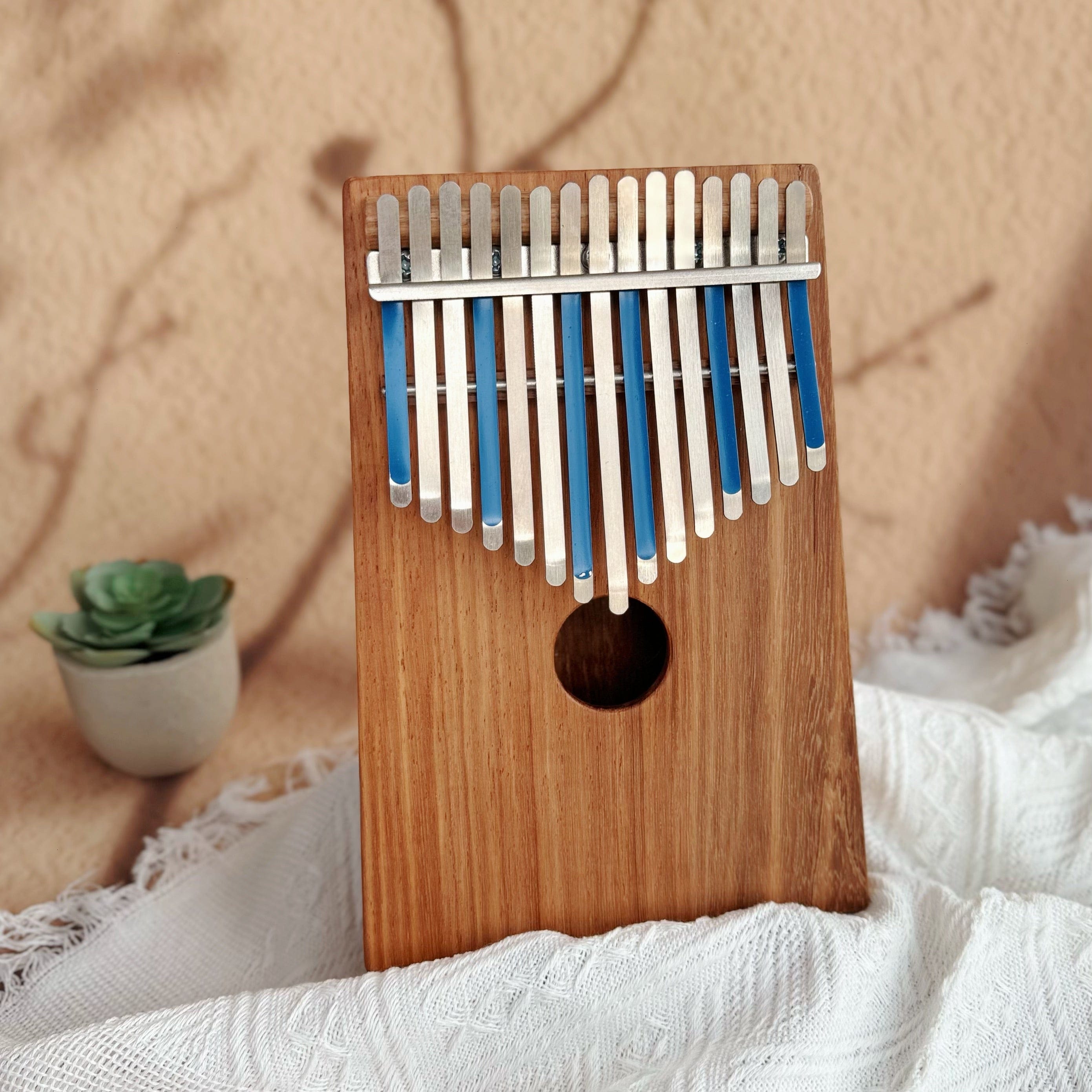
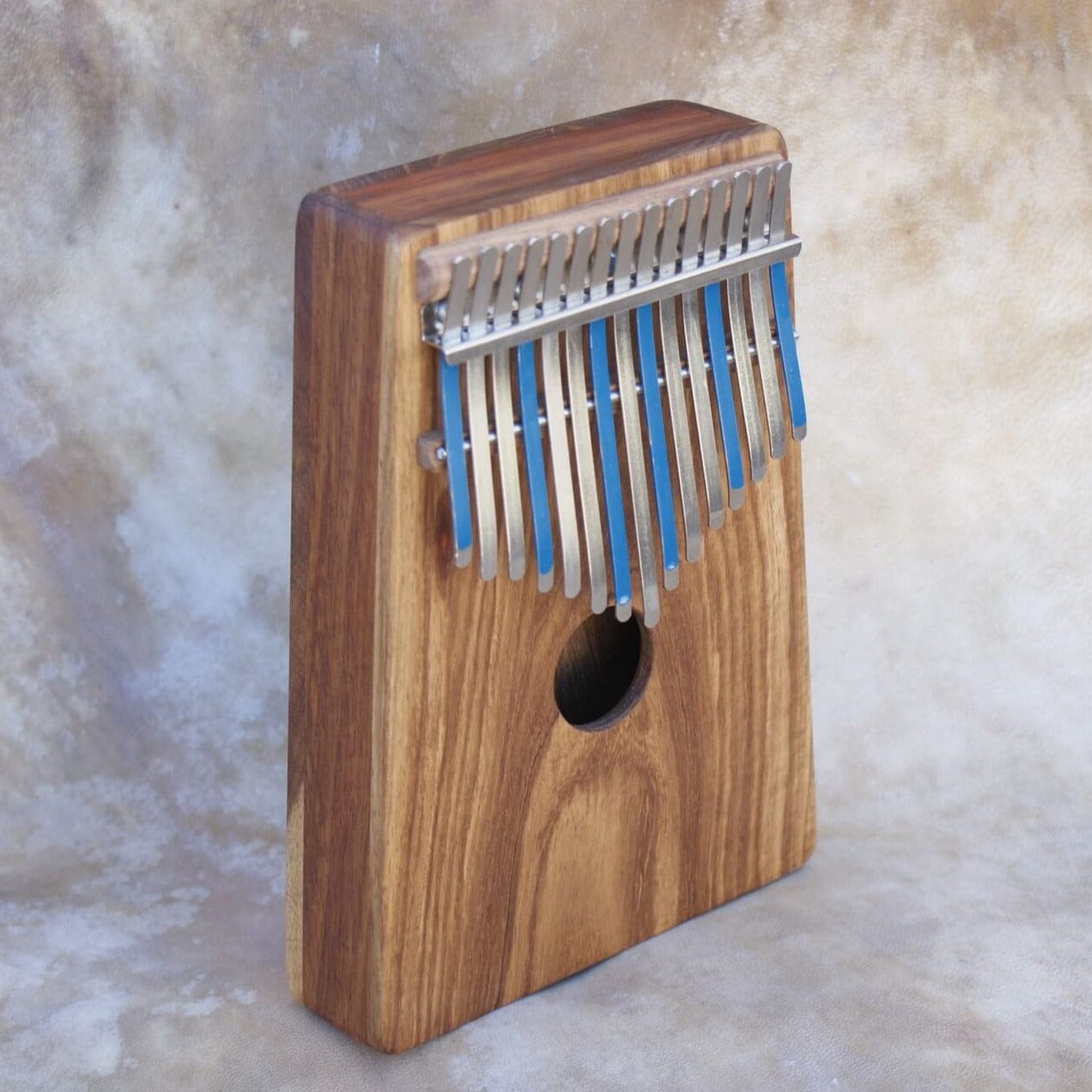
Kalimba
Tiny necklace-sized kalimbas are fun novelty instruments, but they have clear limitations.
Because they are so small, they usually have fewer notes, very short tines, weaker resonance and harder pressure on the thumbs. They can become uncomfortable to play after a short time.
For beginners, this means fewer songs to learn and less satisfying sound, which can make practice less encouraging.
Ocarina
Ocarinas are another good example.
Cheaper ocarinas often require very precise breath control to stay in tune, especially in the higher notes. Beginners usually don’t yet have stable breath control, so the result can sound very out of tune even when they are trying their best.
Playing wind instruments is also physically demanding for beginners. A better-crafted ocarina often requires less effort and produces a more stable tone, making the learning experience much easier.
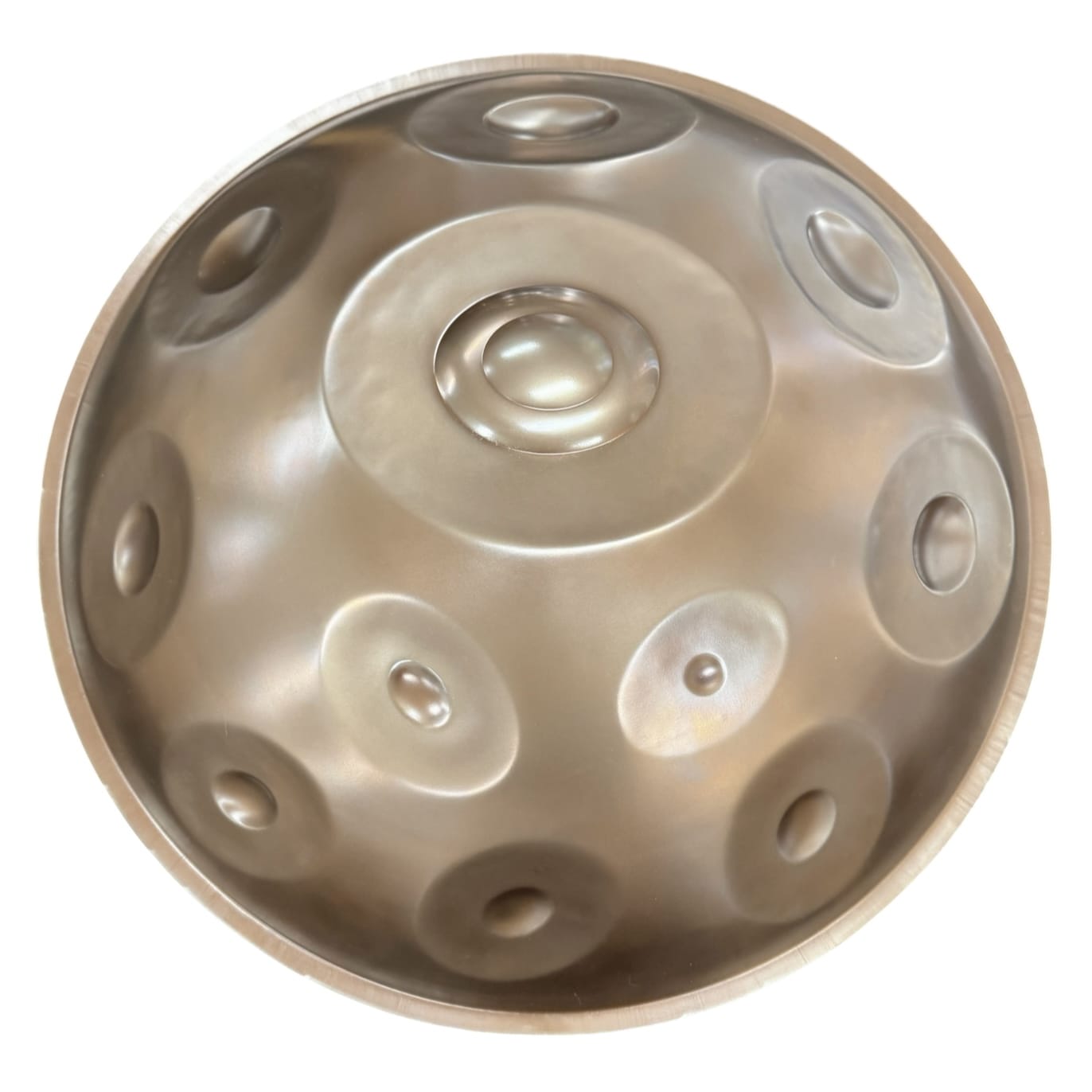
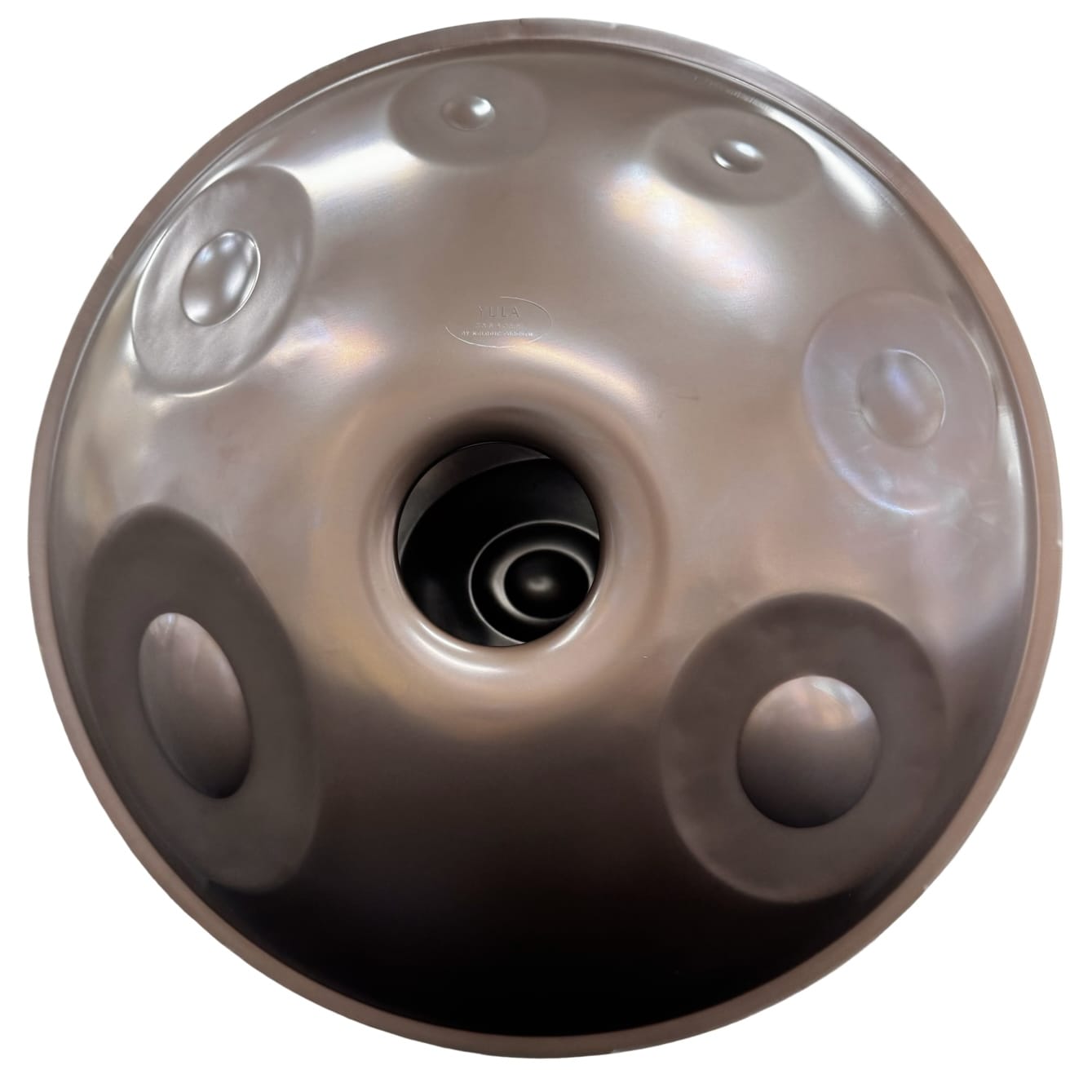
Handpan
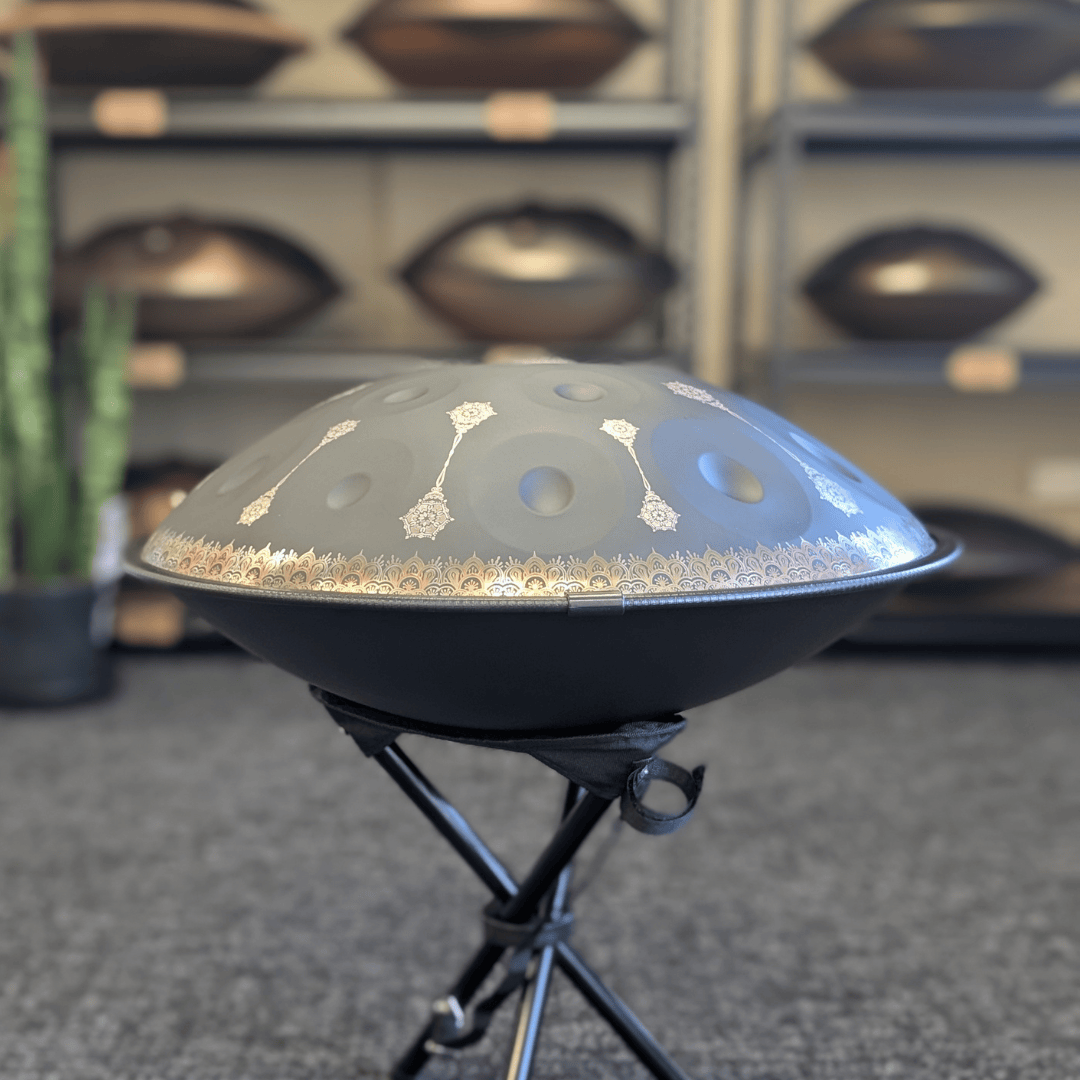
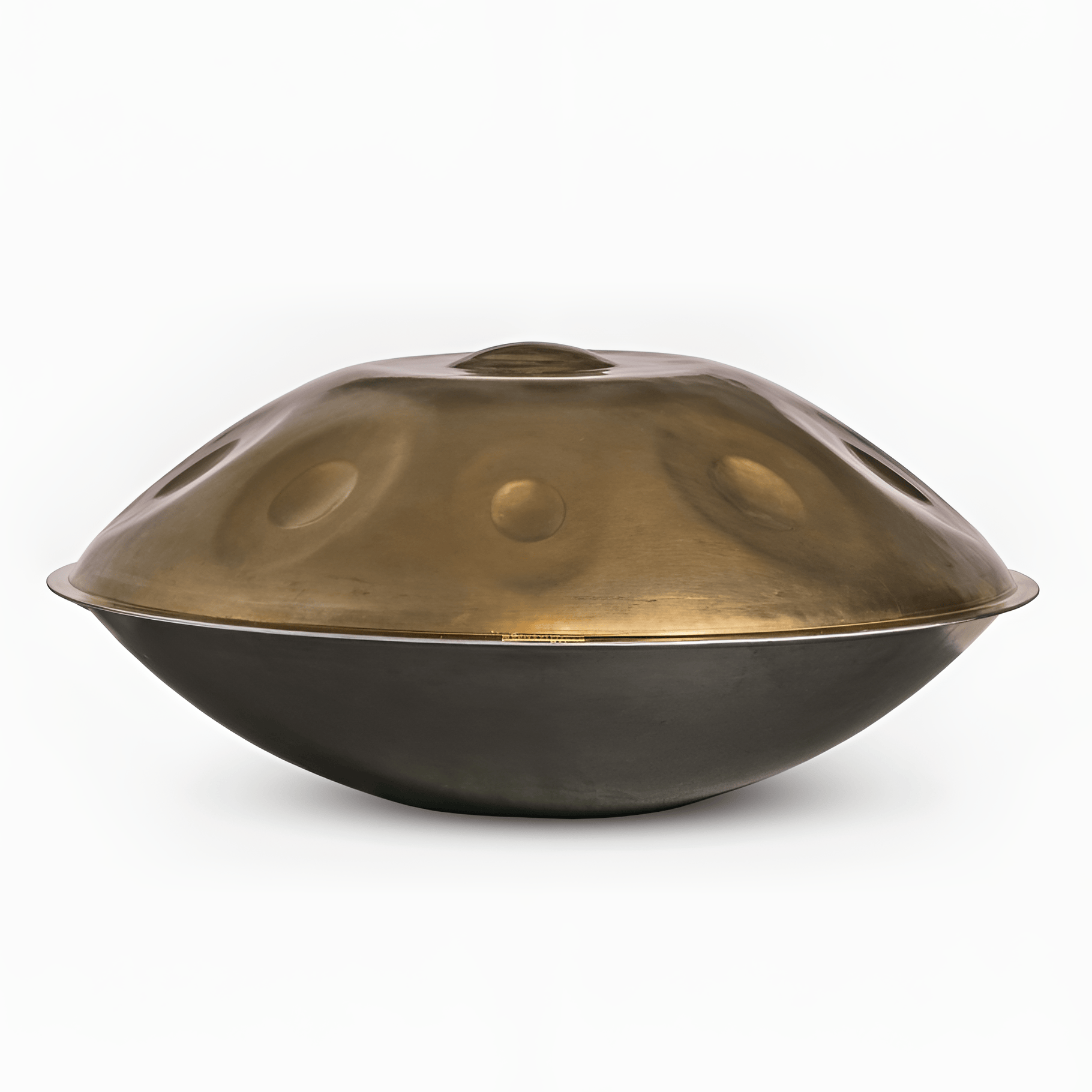
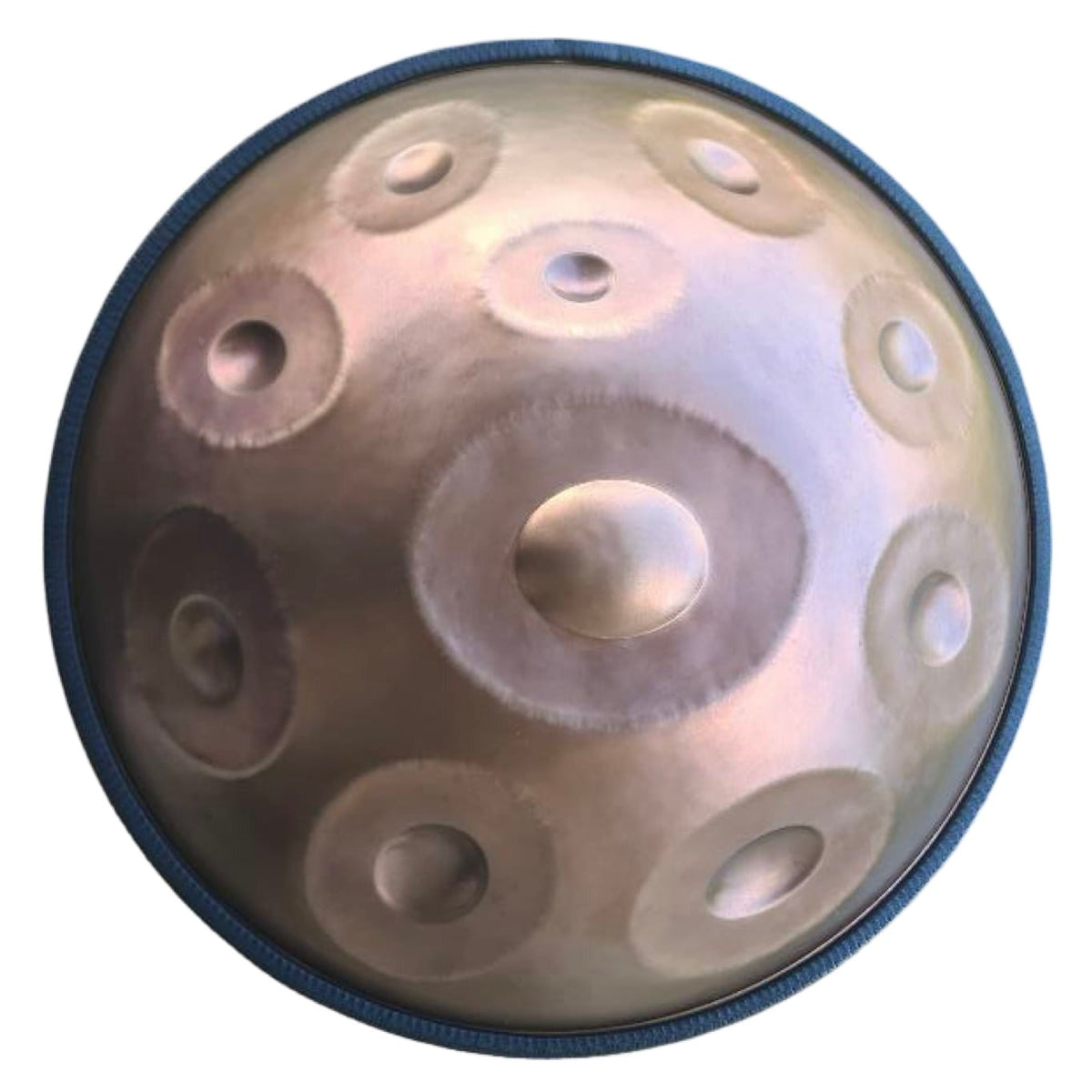
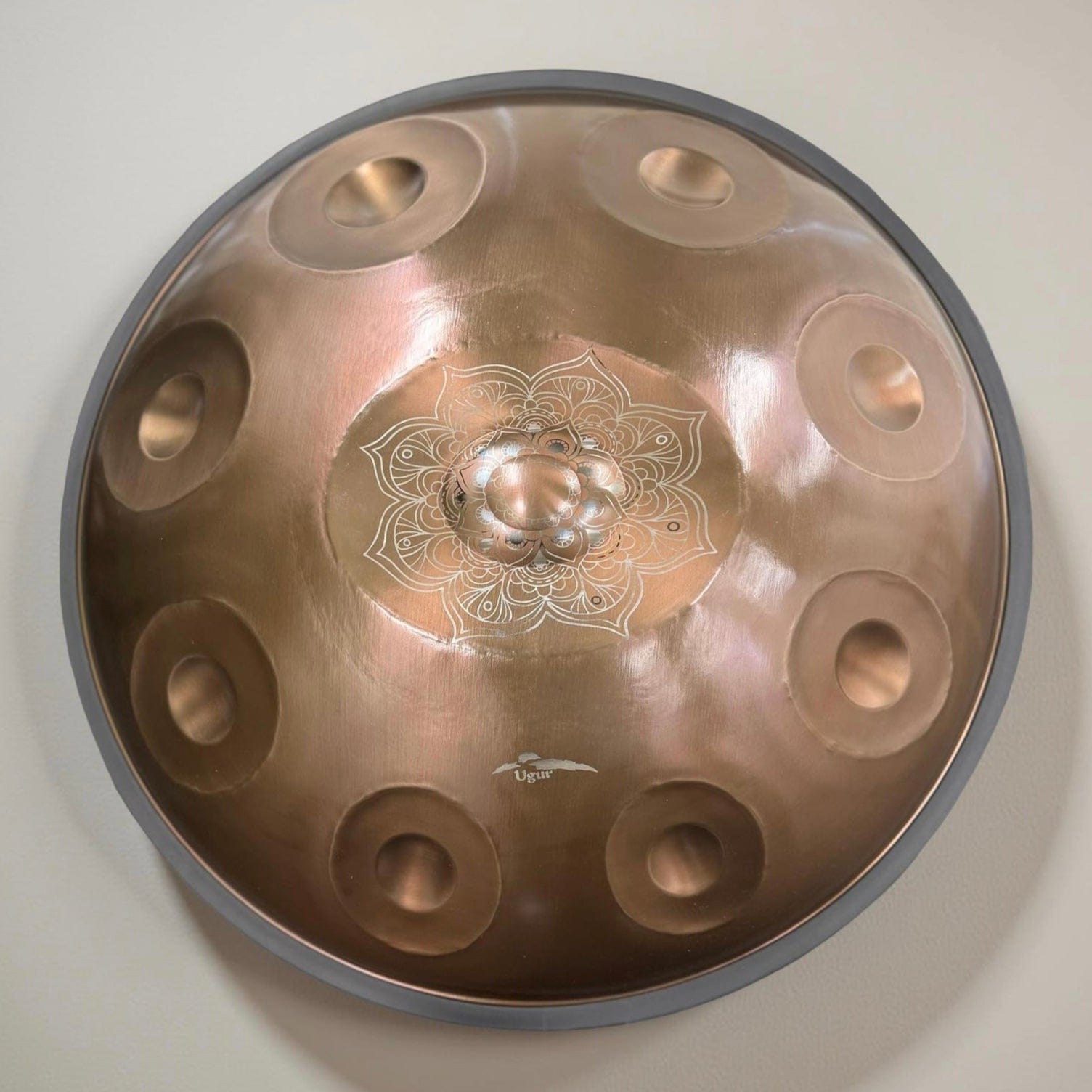
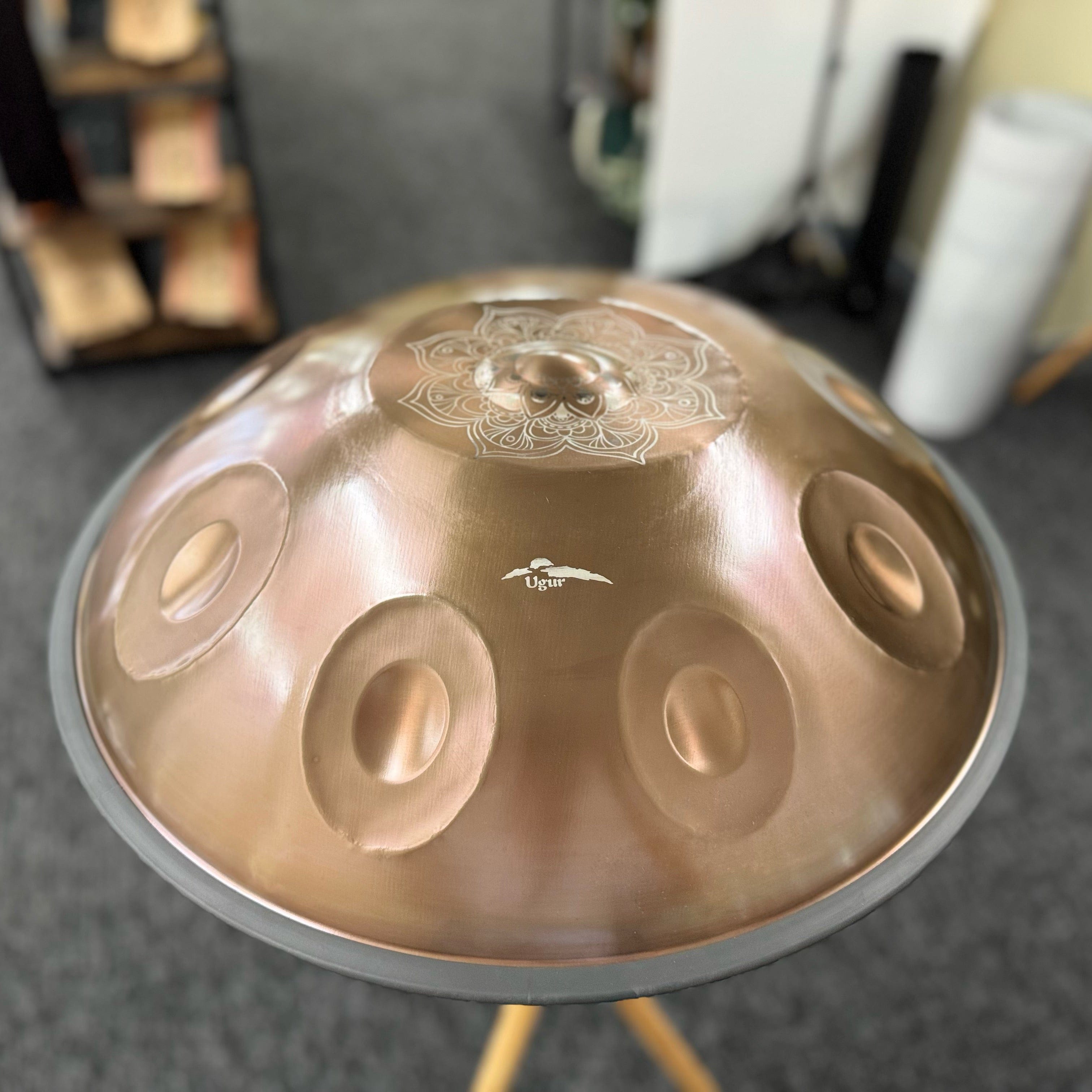
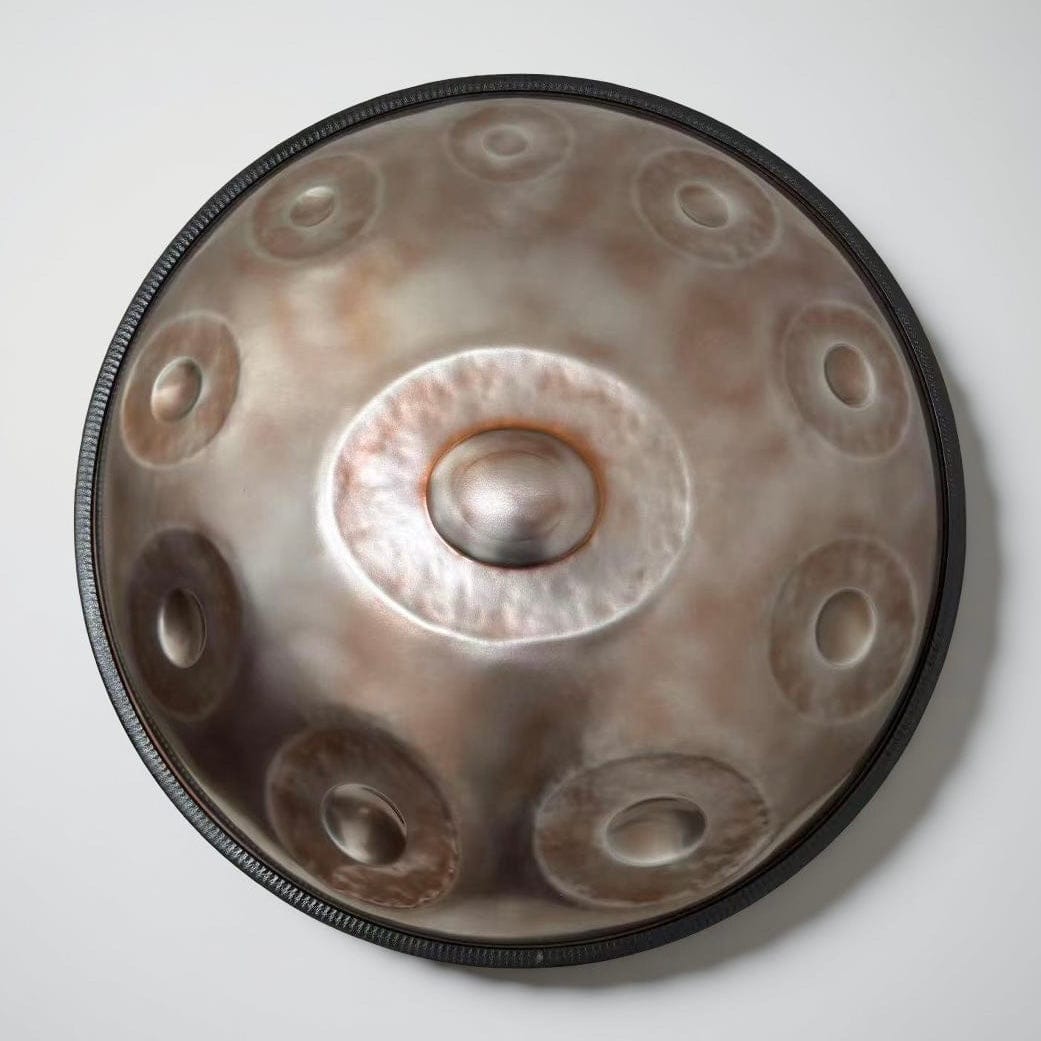
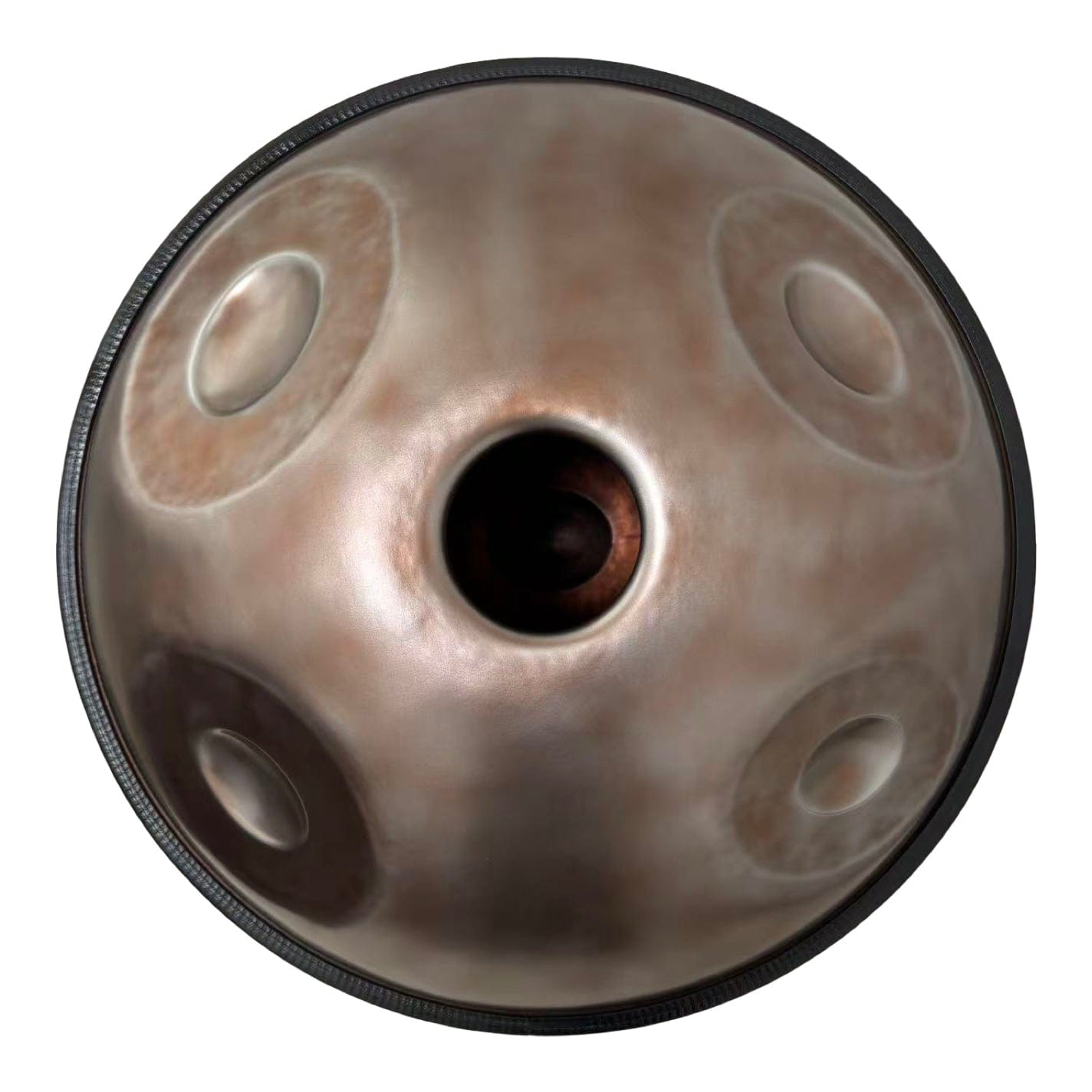
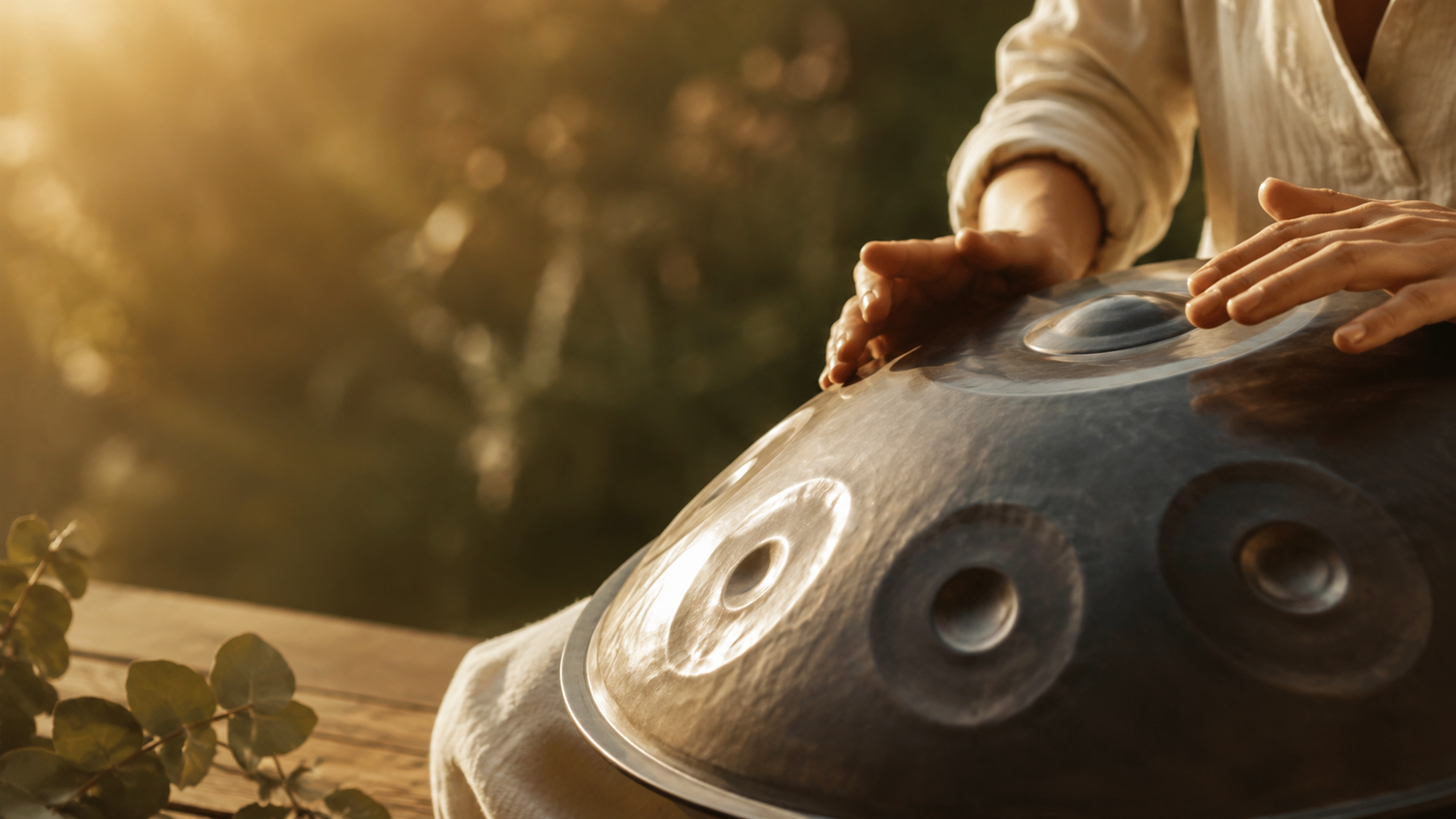
Handpans are probably the most obvious example of this idea.
Entry-level handpans are still perfectly usable for practice, but premium instruments are usually:
• more responsive
• more sensitive to light touch
• more balanced in tone
• capable of longer sustain
Many beginners struggle to produce a clear sound at first. On a more responsive handpan, even a light touch can create beautiful resonance. On a cheaper instrument, beginners often need more force and more accurate striking technique to produce the same sound.
If someone has the budget for a $2,000 handpan but buys a $500 one simply because they are a beginner, they often end up upgrading later anyway.
Our approach: making the decision easier
We understand that choosing an instrument can be difficult, especially if you are completely new. That’s why we designed our 90-day return and exchange policy to support beginners through this process. We want our customers to actually open the instrument, practise with it, and explore it properly.
If after a few weeks you feel that you would enjoy a different model or a higher-quality instrument more, simply reach out to us and we can help arrange an exchange. As long as the instrument is not damaged and the accessories are kept, you are still protected by the return window.
Our goal is simple: We want beginners to enjoy learning and make beautiful music as soon as possible.
Supporting the community
Instruments that have been returned and played are not resold online as new products. Instead, many of them are donated to local schools, artists, and community organisations, or occasionally offered at discounted prices in our showroom. This allows more people to access music while giving our customers the confidence to try an instrument without feeling stuck.
The most important thing
At the end of the day, music is not about the price of the instrument.
If the cheapest instrument is what you can afford, that is absolutely fine. Passion and practice will always matter more. But if you do have the budget, don’t feel that being a beginner means you must start with the lowest possible option.
A better instrument can make the learning journey easier, more encouraging, and much more enjoyable from the very beginning.