How Many Notes Should Your First Handpan Have? Why 10 Notes Is the Best Starting Point
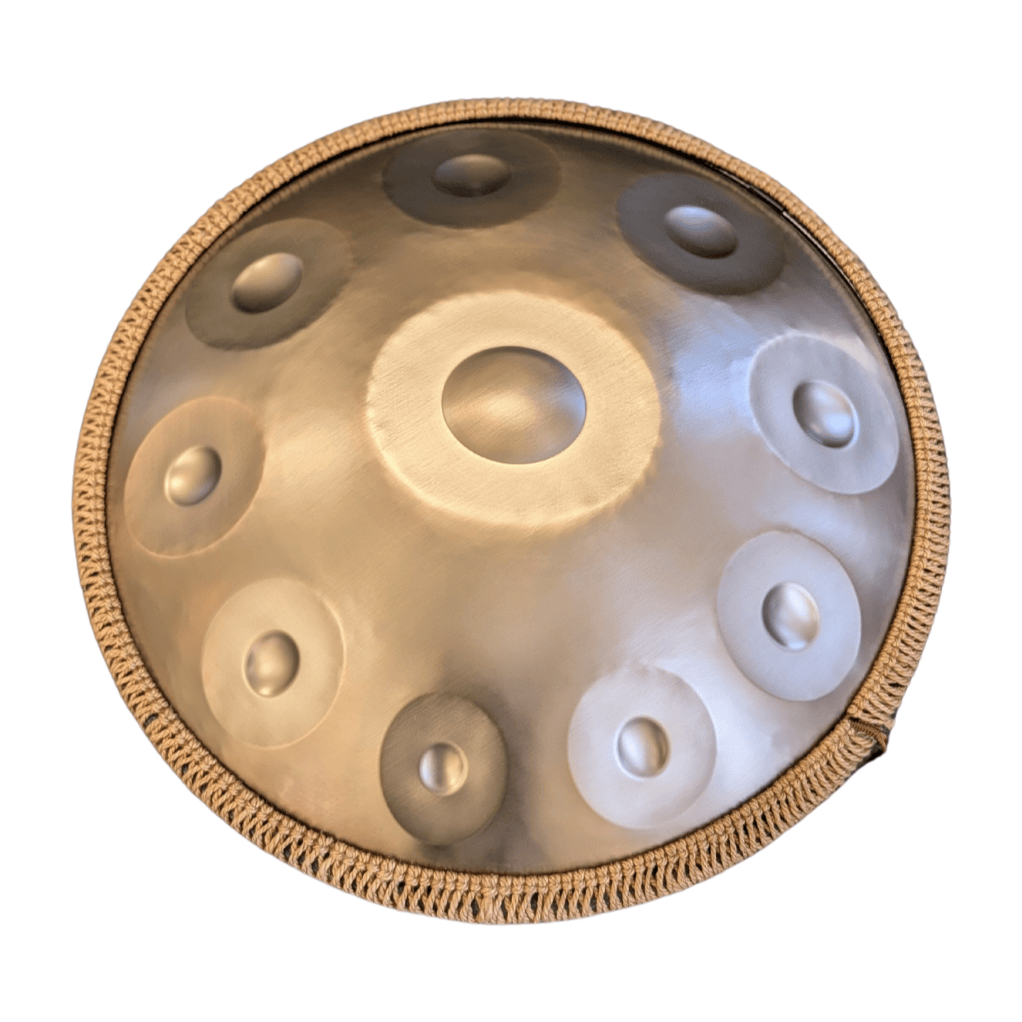
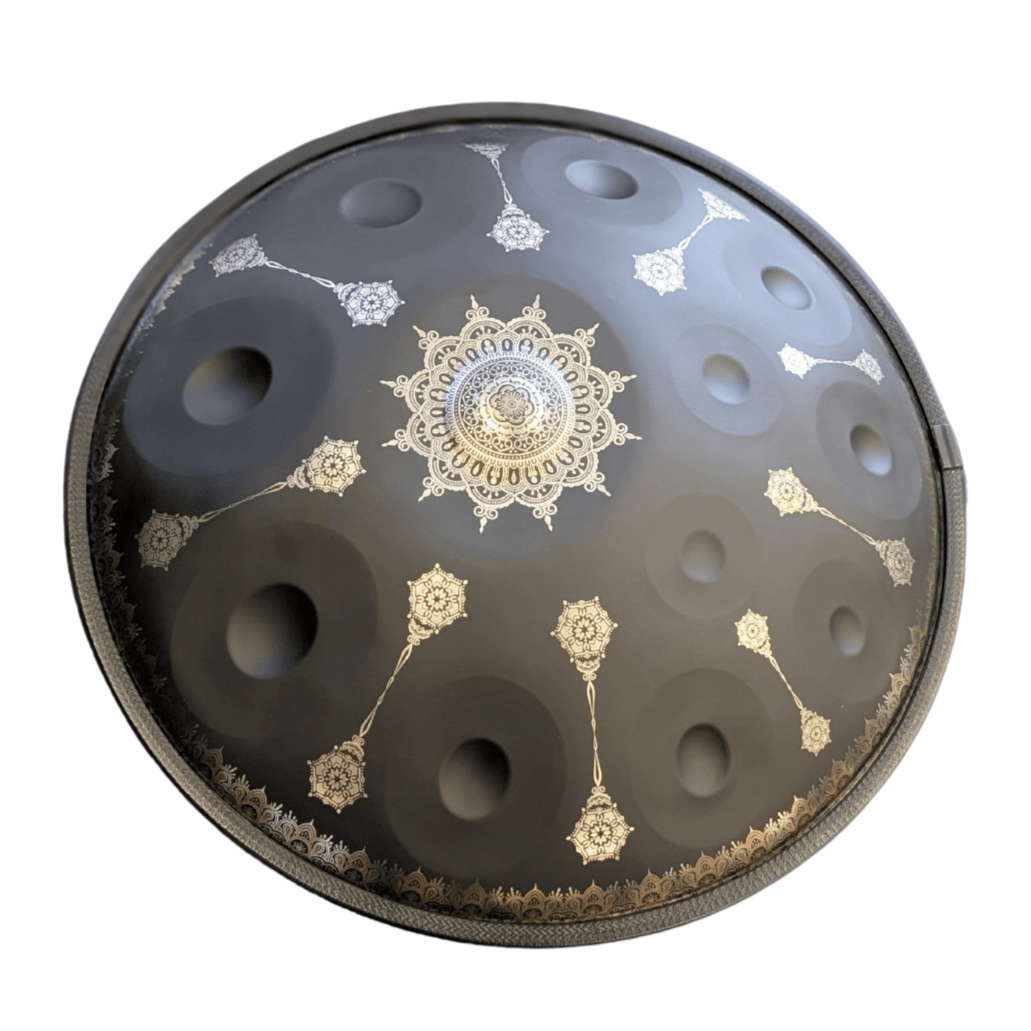
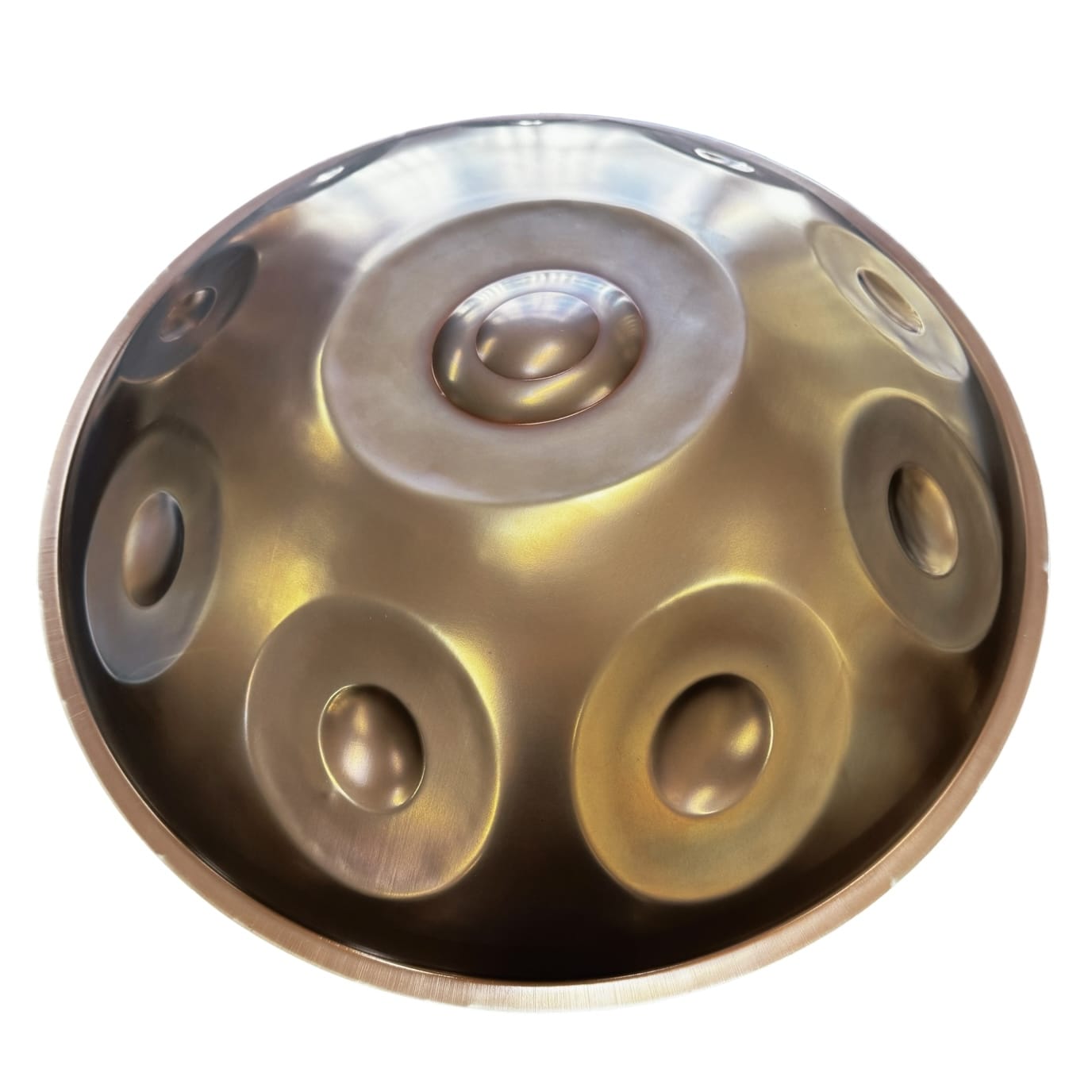
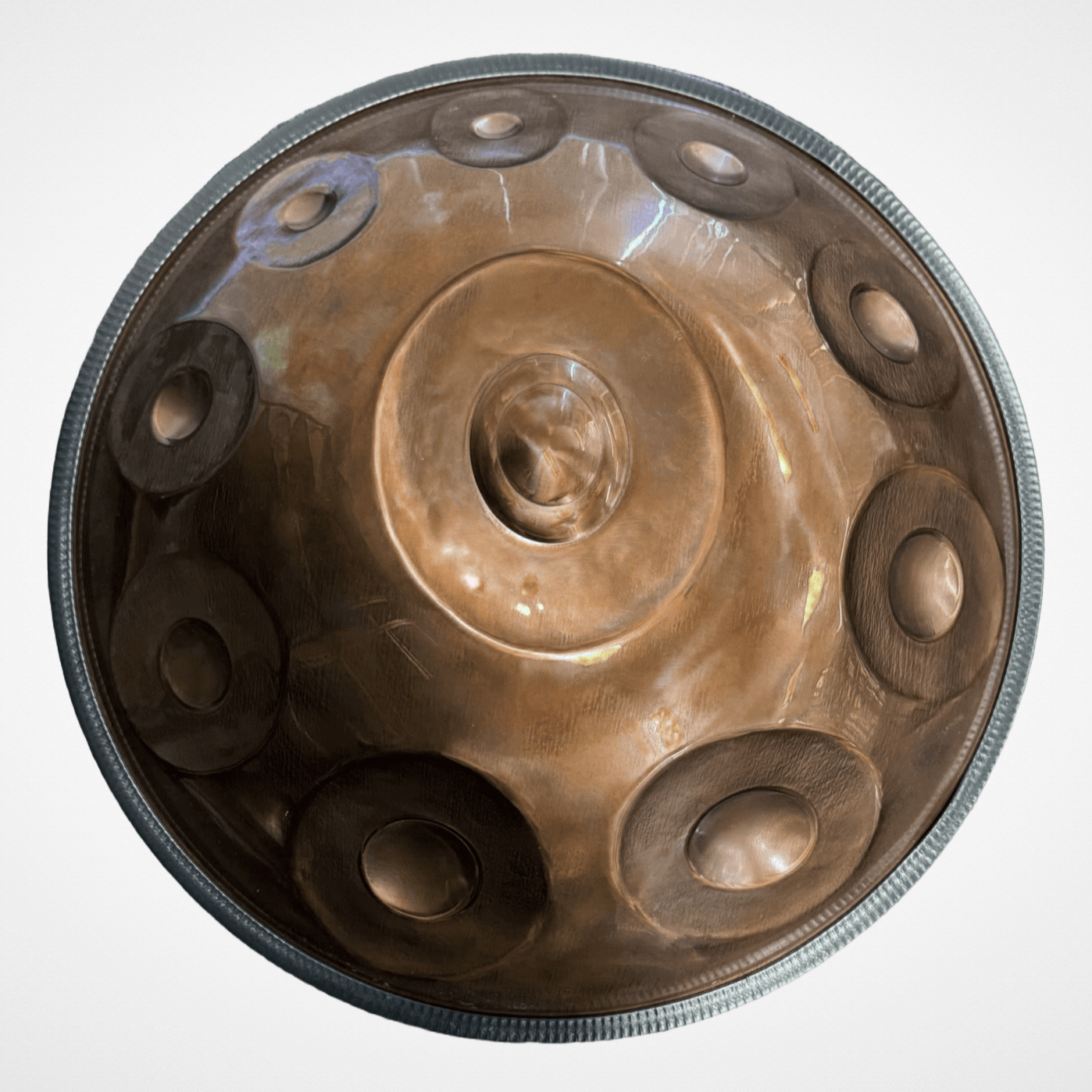
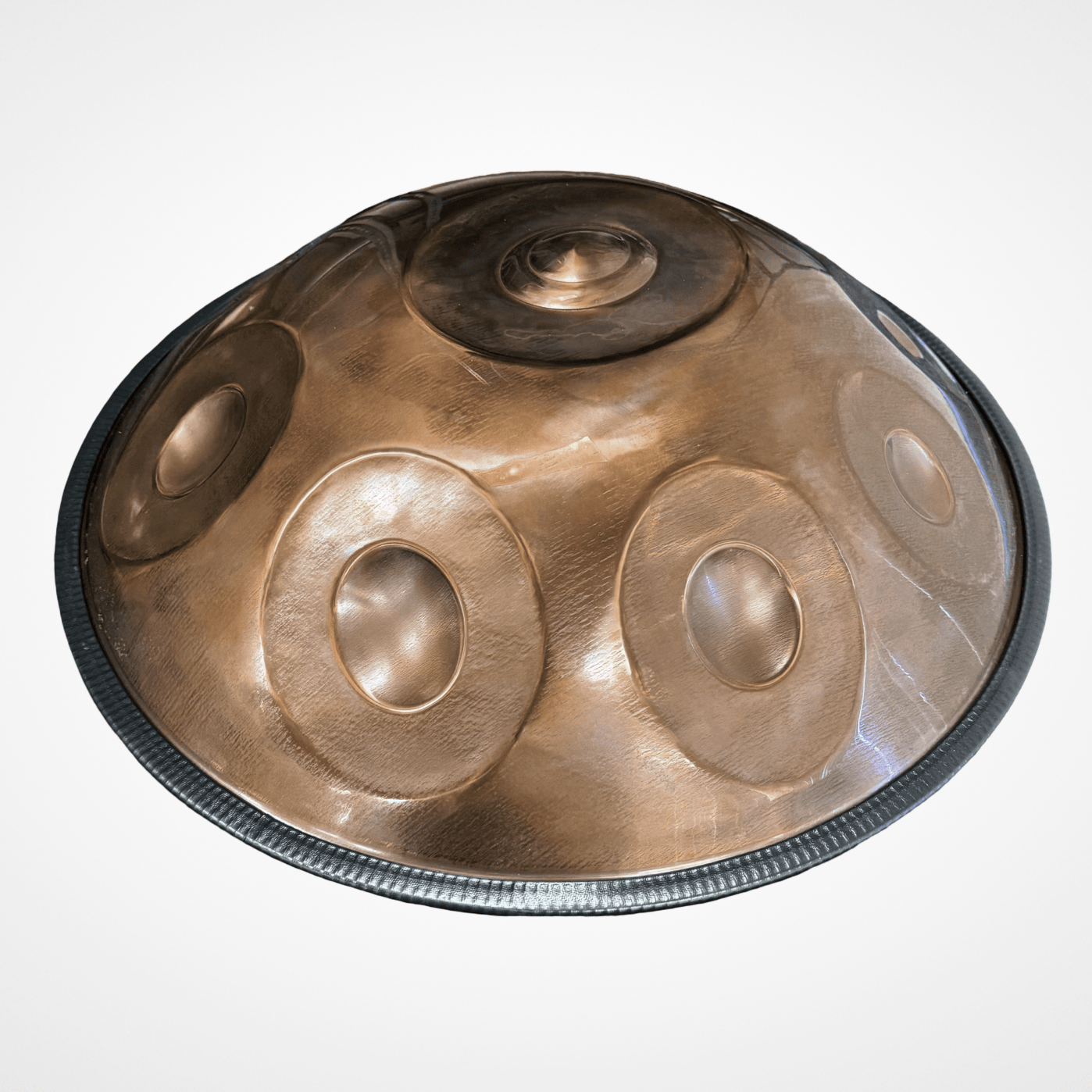
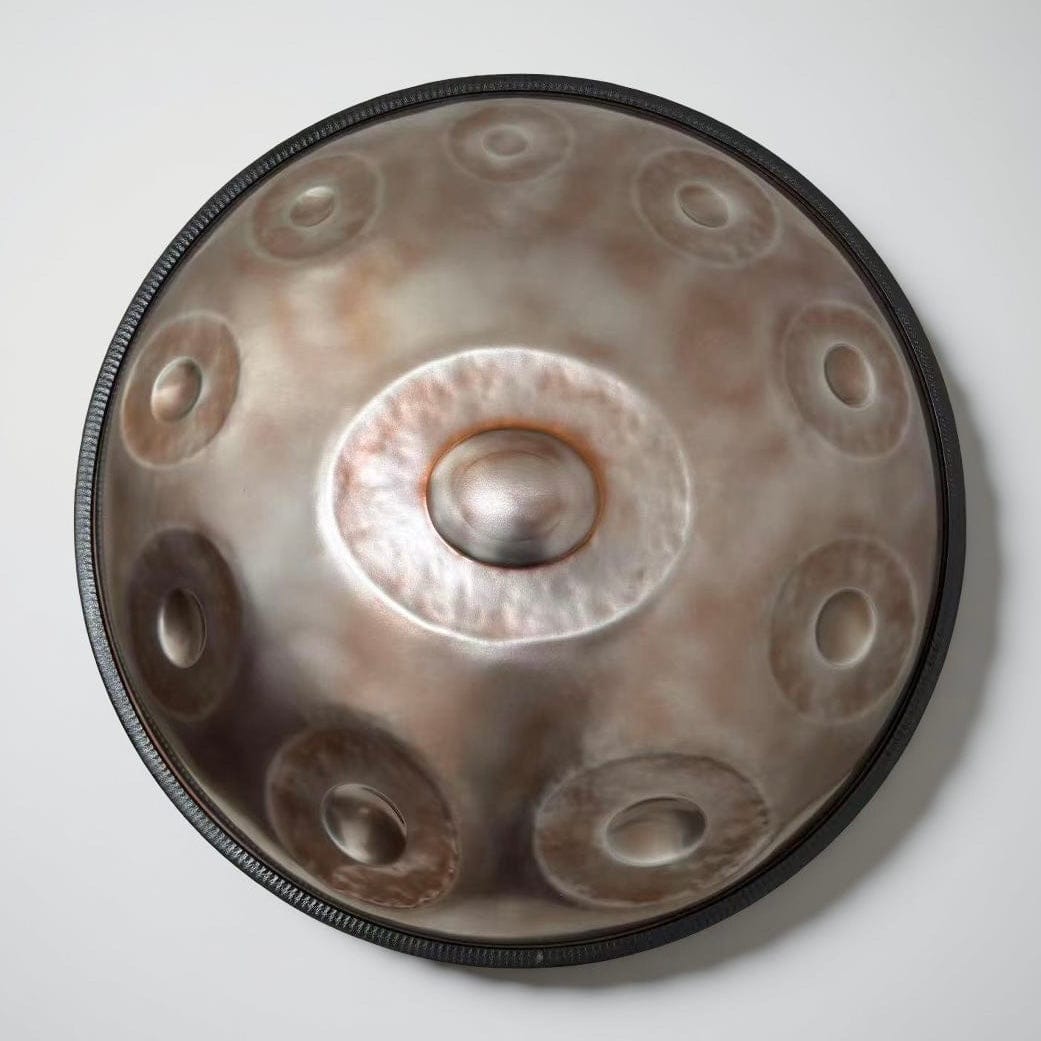
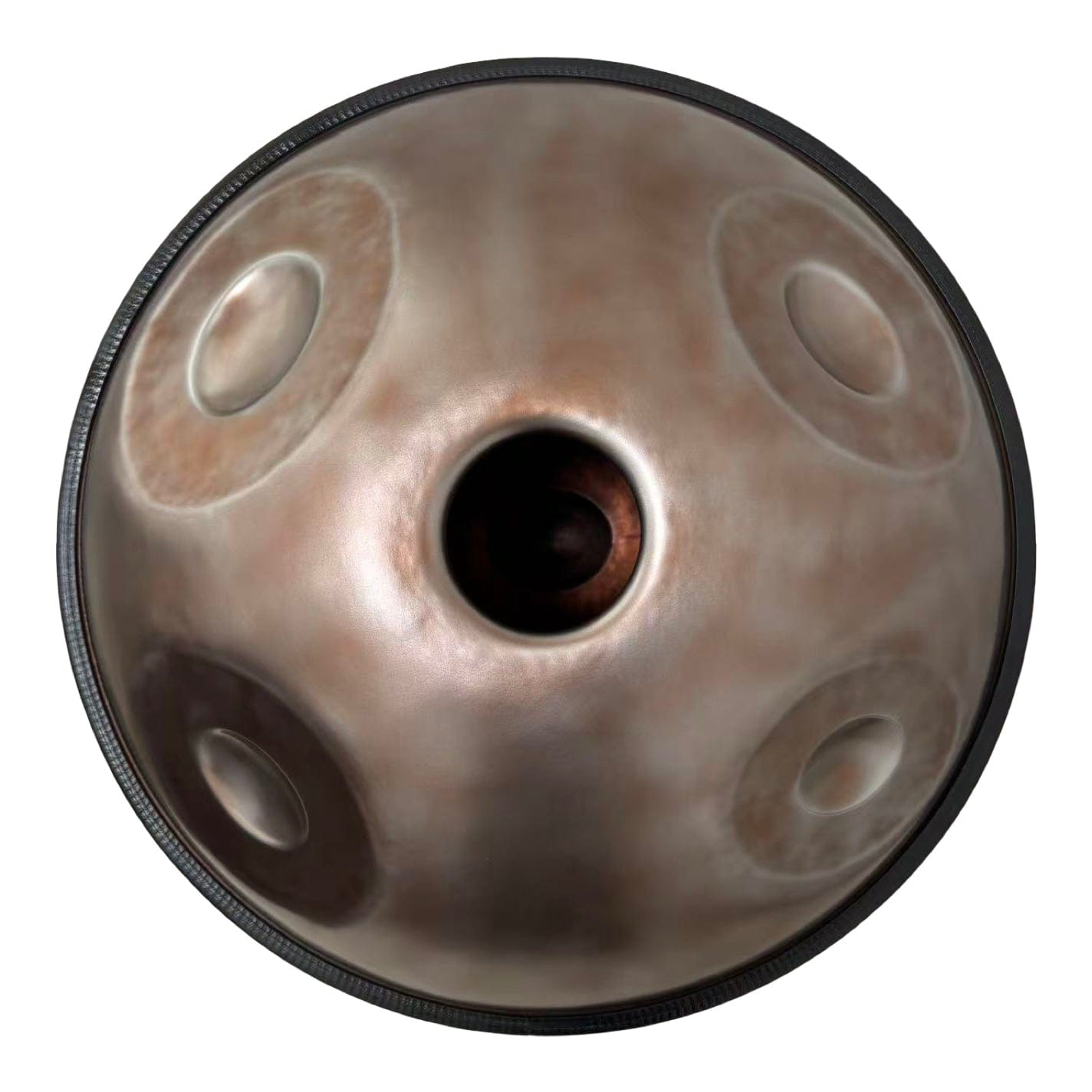
For most beginners, we recommend starting with a 10-note D Kurd handpan. It gives you enough range to follow more lessons and songs, without making the instrument much harder to learn.
If your budget allows, a 12-note or 14-note handpan can also be a strong first choice, because the extra notes do not stop you from learning the main 10-note layout. If your budget is limited, a 9-note handpan is still workable, because 9 notes were the mainstream handpan layout for a long time.
Quick recommendation: choose a 10-note D Kurd handpan first. Note count matters, but scale matters even more. D Kurd is widely supported by lessons, tabs and beginner learning material, which makes it much easier to find music you can actually play.
After this guide, compare the five most popular handpan tunings before choosing your exact instrument.
Scale Comes First, Then Note Count
The tuning decides the emotional character of the handpan, but it also affects practical learning. Some scales have far more tutorials, tabs, familiar songs and beginner patterns available than others.
This is why D Kurd is usually the safest beginner starting point. A beautiful but uncommon scale can be inspiring, but it may also make it harder to find lessons and songs that fit your instrument. Once the scale is right, note count becomes the next decision.
Why We Usually Avoid 8 Notes
An 8-note handpan can look beginner-friendly because it has fewer notes. In practice, it is often too limiting.
Many modern tutorials are not written for 8-note layouts, and many familiar melodies need notes that an 8-note handpan simply does not have. For a serious first purchase, saving a little at the beginning may not be worth it if you quickly feel stuck.
Our advice: be very cautious with 8-note handpans. They may suit very simple ambient playing or a very restricted budget, but they are not our usual recommendation for a first serious handpan.
Where 9-Note Handpans Still Make Sense
9-note handpans are still valid. They were the mainstream layout for a long time, so many tutorials, tabs and beginner songs still support them.
If your budget only reaches a good-quality 9-note handpan, it can still be a sensible choice. You can learn a lot on it, and the layout is easy to recognise. The limitation is that many players later wish they had the extra note. If the price difference is manageable, we would usually step up to 10 notes.
Why 10 Notes Are the Best Starting Point
A 10-note handpan gives most beginners the best balance of usefulness, value and approachability.
- It works better with more tutorials and learning material.
- It gives you more chance of playing familiar melodies without missing notes.
- It offers more room for improvisation and groove.
- It is not dramatically harder to learn than 9 notes.
- It gives better long-term value from the first purchase.
What About 12, 14 or More Notes?
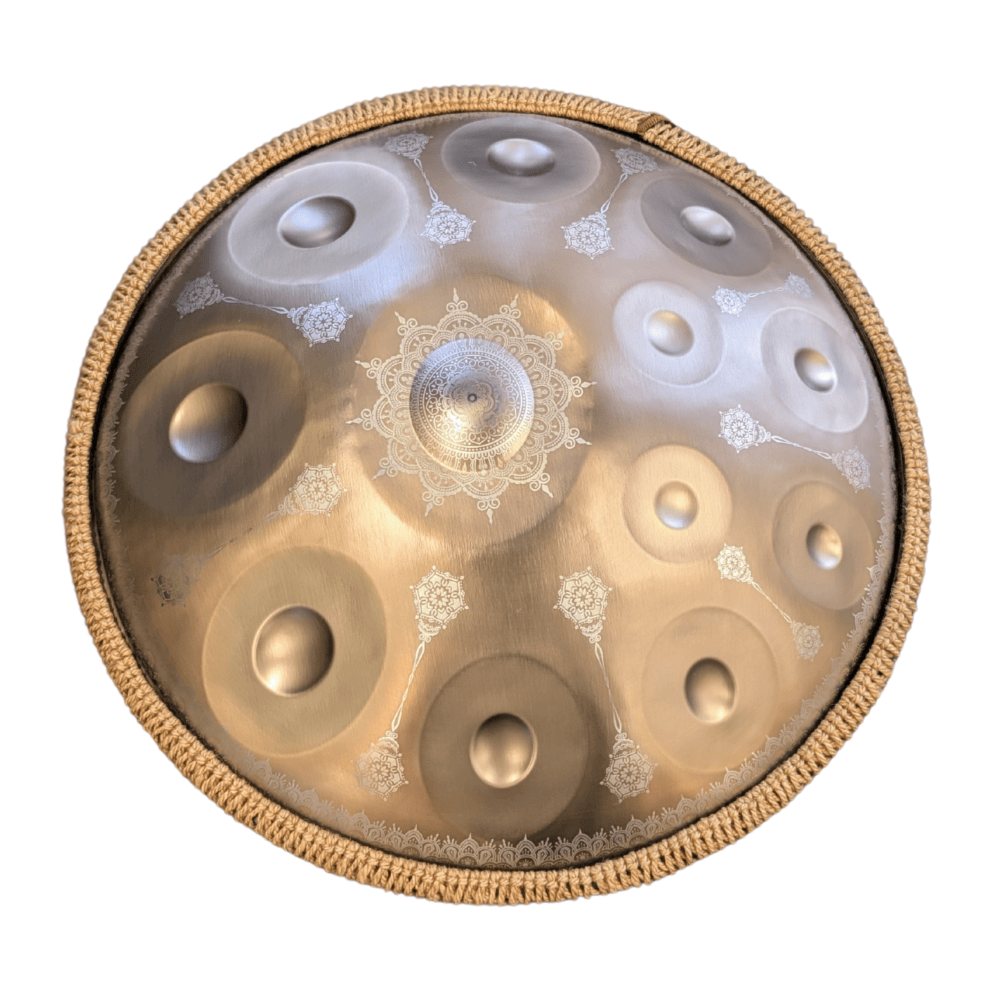
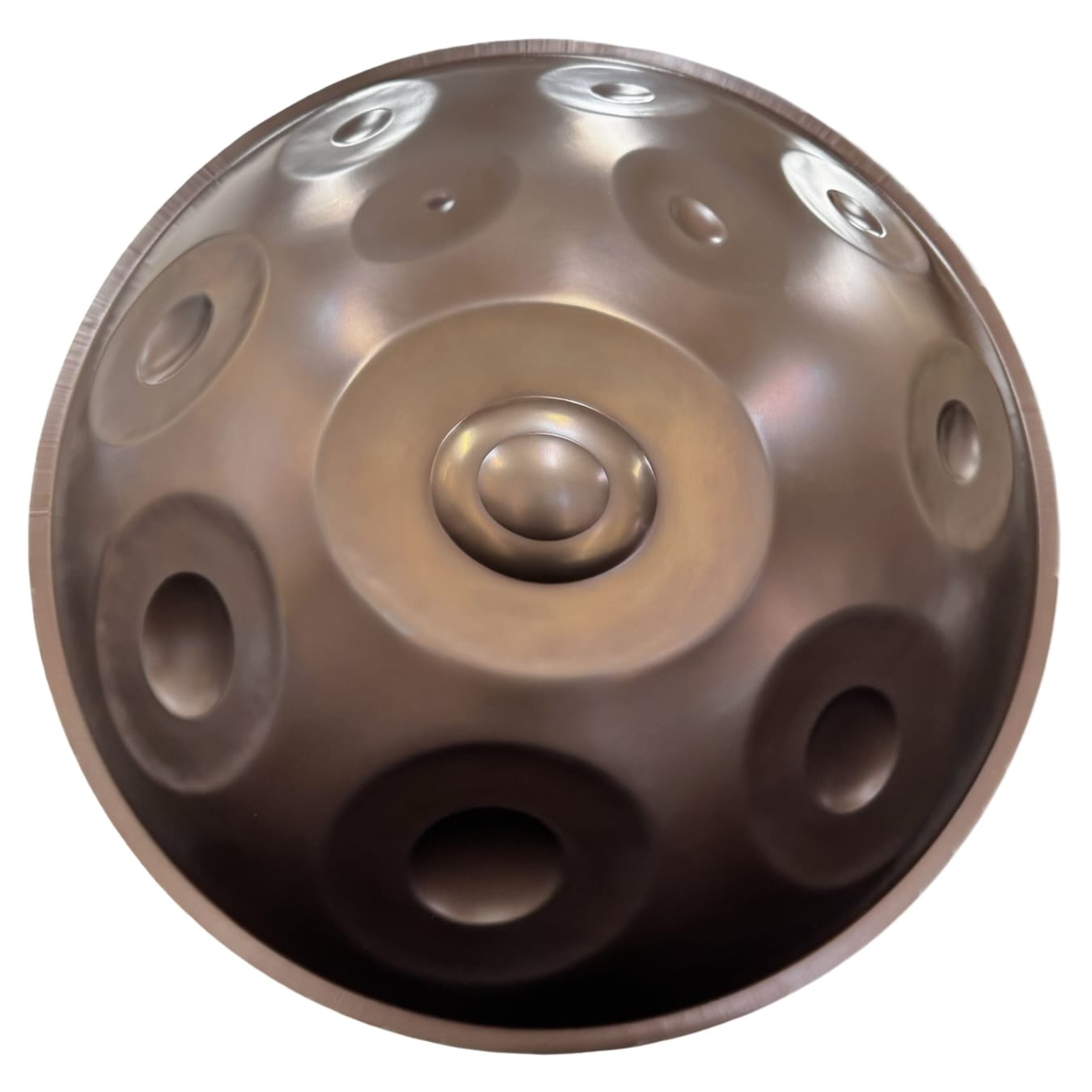
If you have the budget, 12 notes can be excellent. The extra notes often sit around the centre area, so they do not interrupt your learning of the main 10-note layout. You may not use them much in the first week, but later they can add colour, response and more layered improvisation.
14-note, 16-note, 20-note or 21-note handpans can also make sense for the right buyer. The main question is budget and care. Adding notes is not simply a matter of adding one more tone field. Each extra note affects the balance of the whole instrument, and double-sided handpans are much more complex to tune well.
For beginners, a larger handpan can be a smart long-term purchase if you are careful with it. You may not use every extra note immediately, but it can be cheaper than buying a smaller handpan now and upgrading later.
Travel and Durability
More notes also mean more surfaces that need to stay protected. Multi-note and double-sided handpans can be more delicate, harder to repair and less forgiving if they are knocked or dropped.
If you travel often, fly with your instrument, or need something that will be moved around a lot, think carefully before choosing a double-sided or very high-note-count handpan as your first instrument. A 10-note handpan is often the more practical first choice for travel, lessons and regular handling.
Note Count Comparison
| Note count | Recommendation | Best fit |
|---|---|---|
| 8 notes | Usually not recommended | Very simple ambient playing or strict budget only |
| 9 notes | Acceptable if budget is limited | Beginners choosing a lower-budget but still useful handpan |
| 10 notes | Best starting point for most beginners | Most first-time handpan buyers |
| 12-14 notes | Excellent if budget allows | Players who want extra colour without disrupting the core layout |
| 16+ notes / double-sided | Good for the right buyer | Long-term players with the budget and care habits to protect it |
Common Buying Mistakes
- Choosing 8 notes because it looks easier: simple is not useful if you cannot follow the lessons or songs you want.
- Ignoring scale: a 10-note handpan in the wrong tuning can still be harder to learn from.
- Only comparing price: handpans are expensive enough that upgrading too soon is frustrating.
- Buying a large double-sided handpan without thinking about travel: more notes need more careful handling.
Next: Choose the Right Tuning
Once you understand note count, compare the main tunings. D Kurd is our usual beginner recommendation, but it is worth understanding the options before you decide.
Read the Top 5 Handpan Tunings Guide