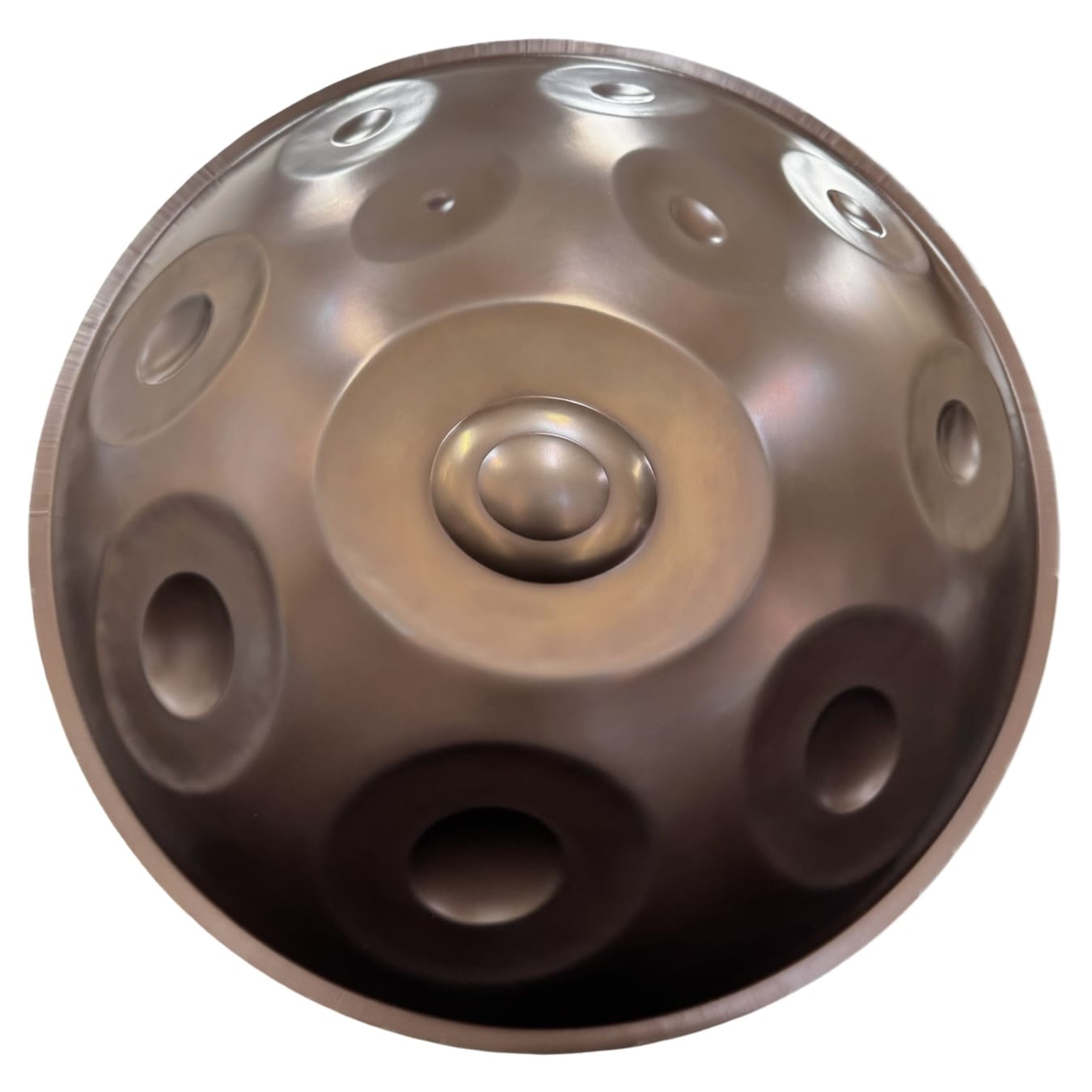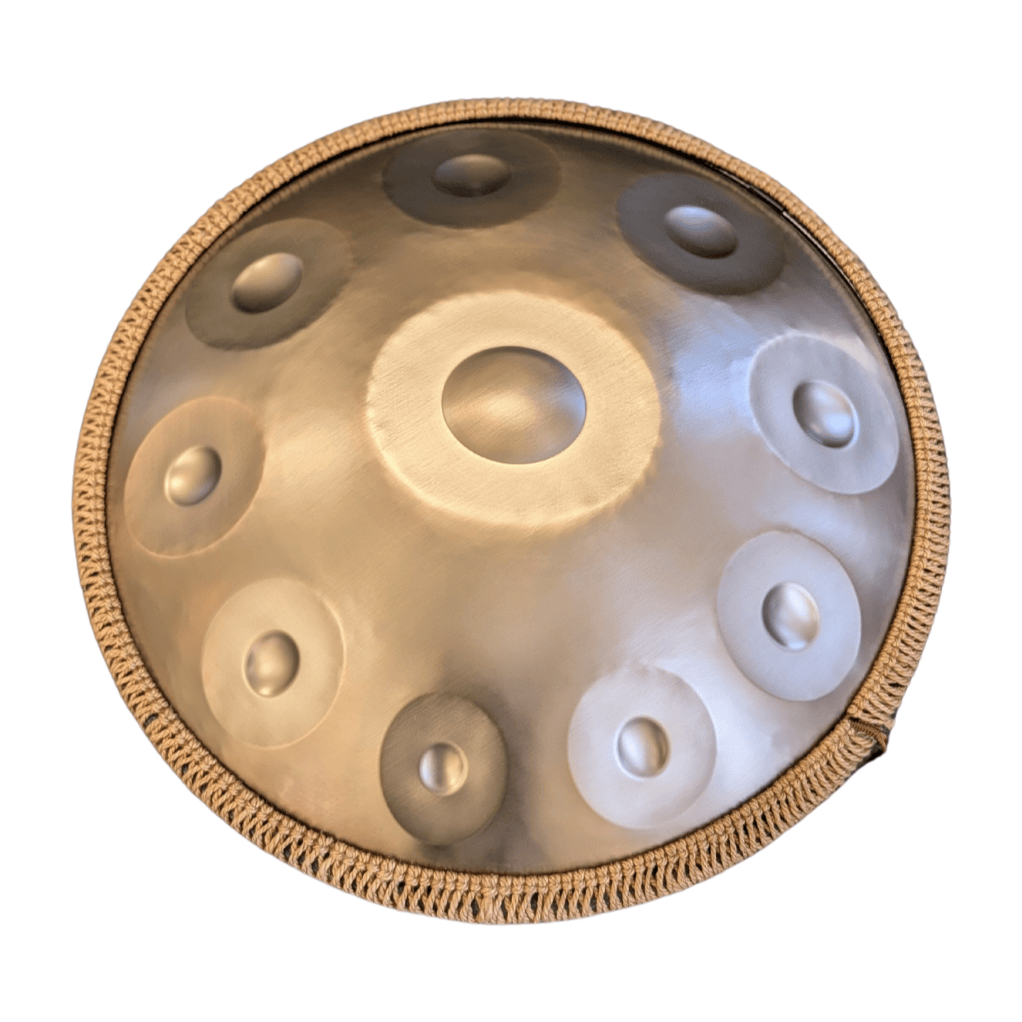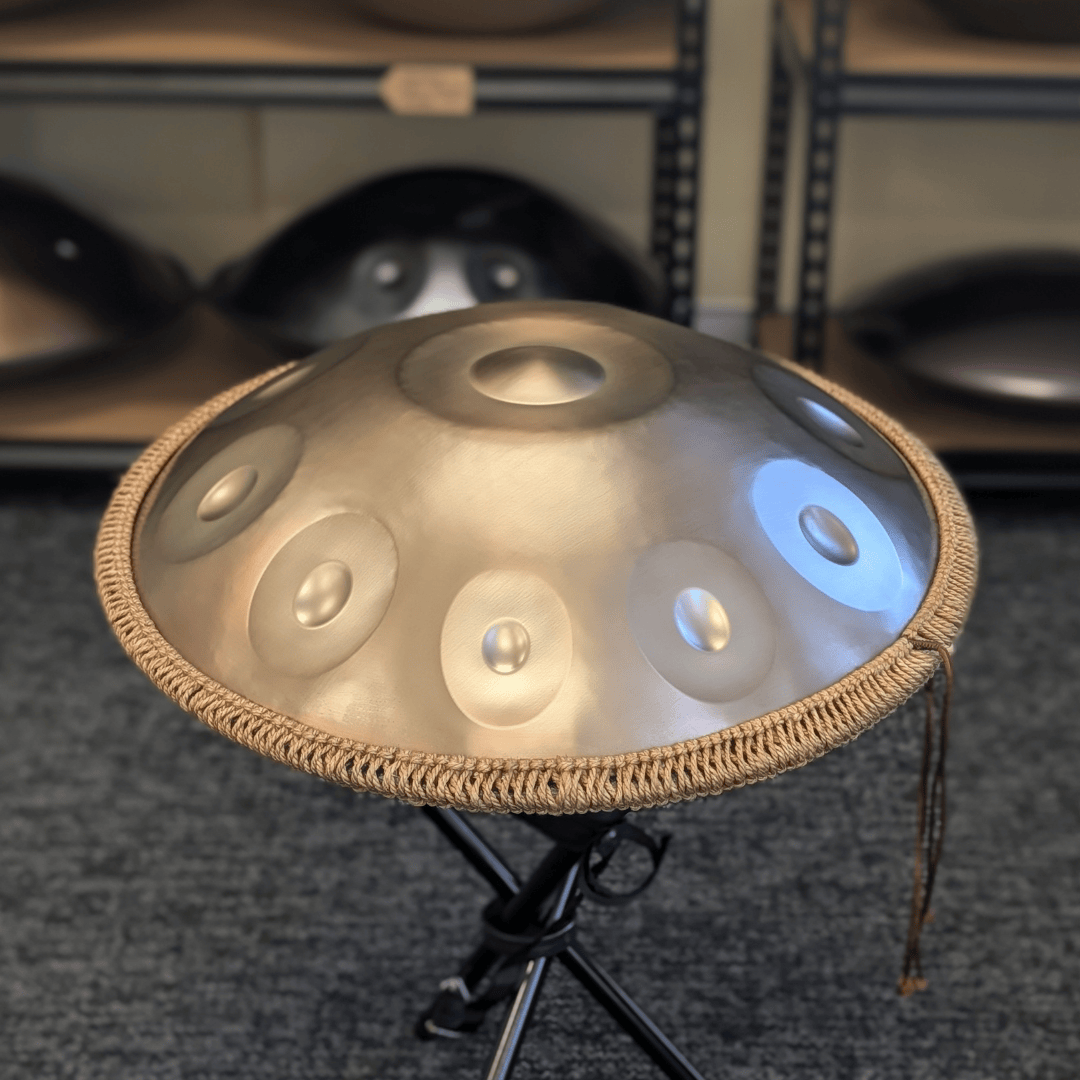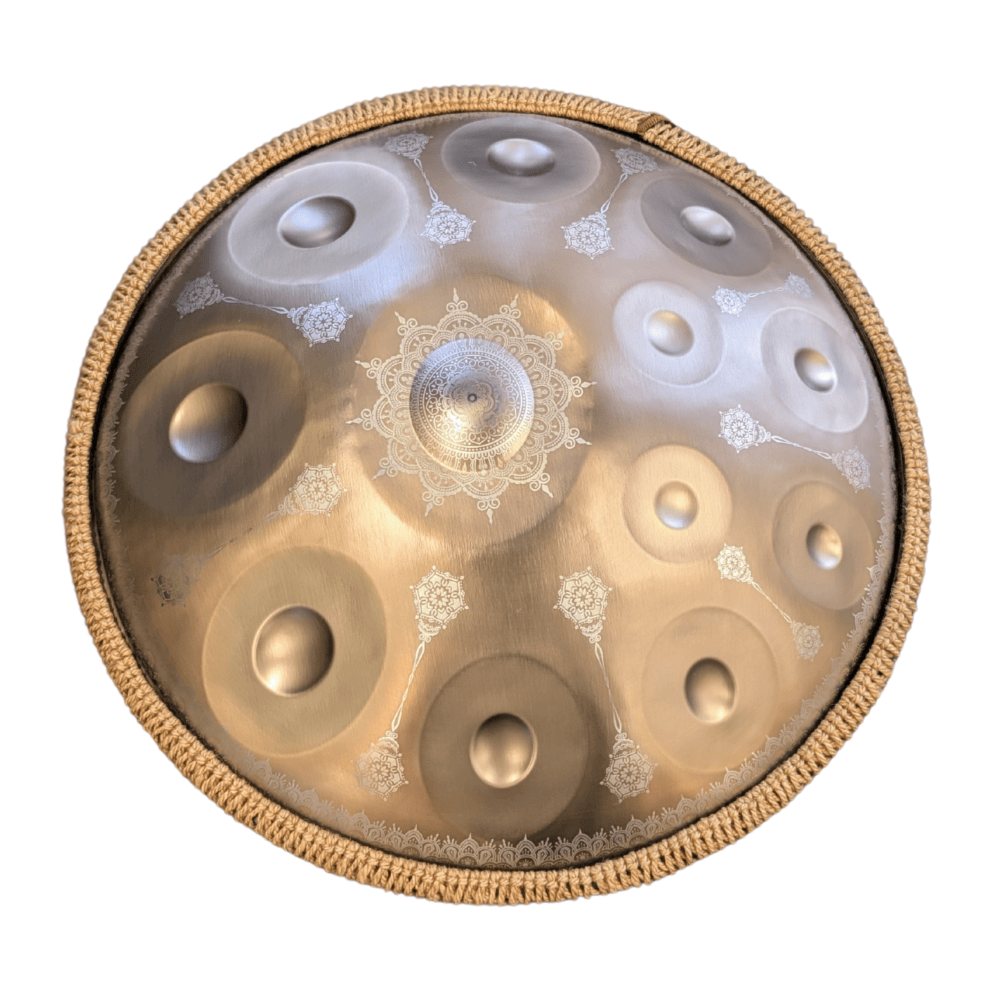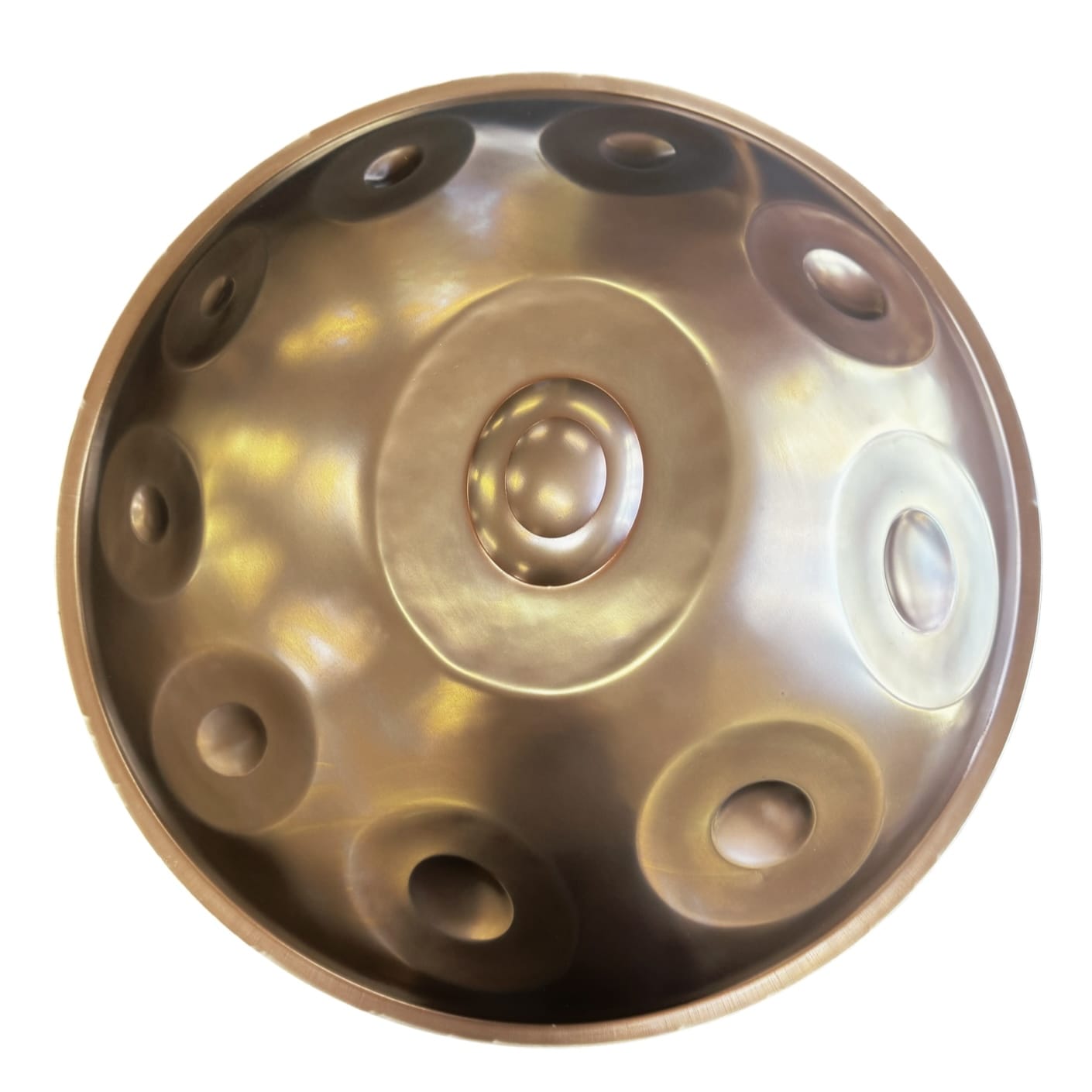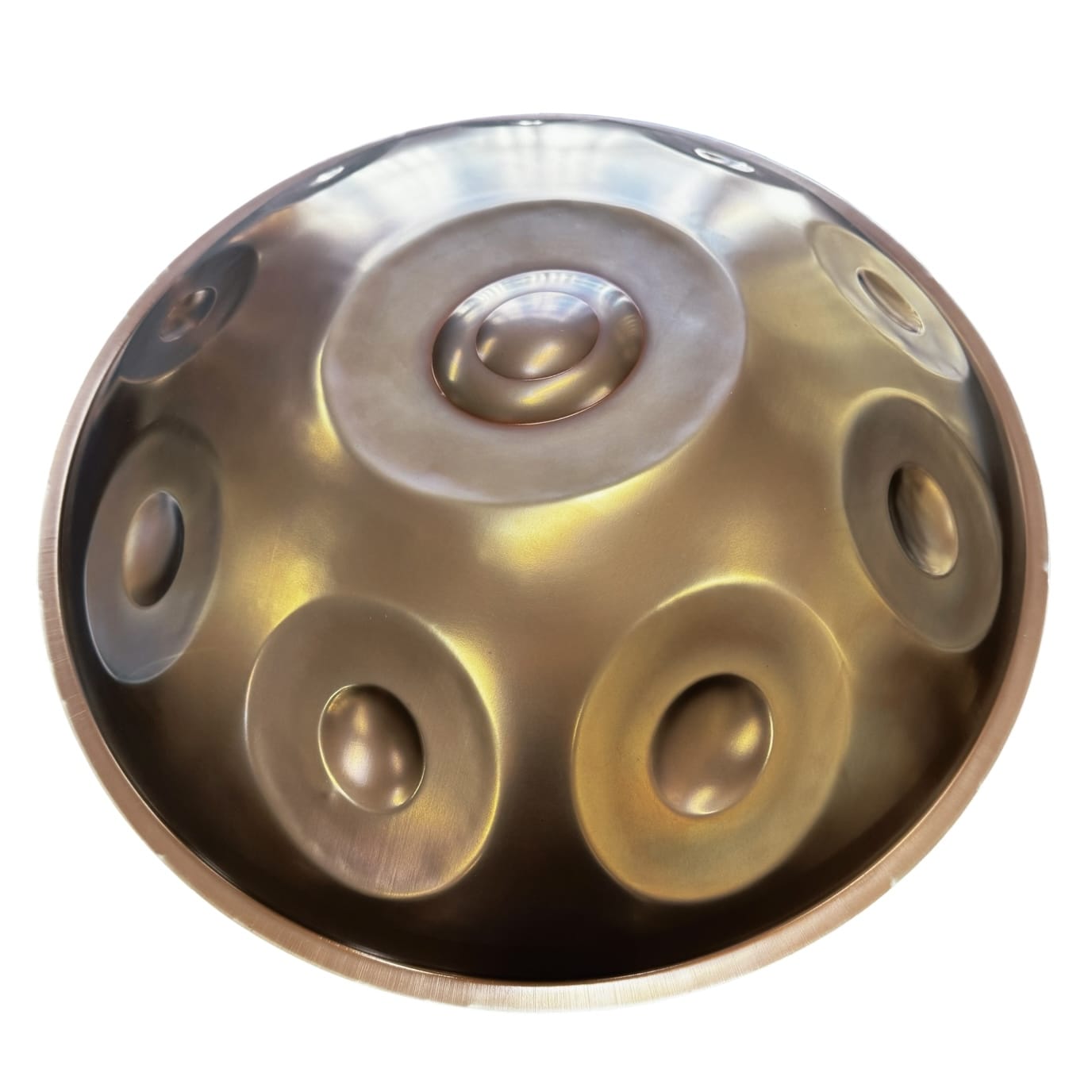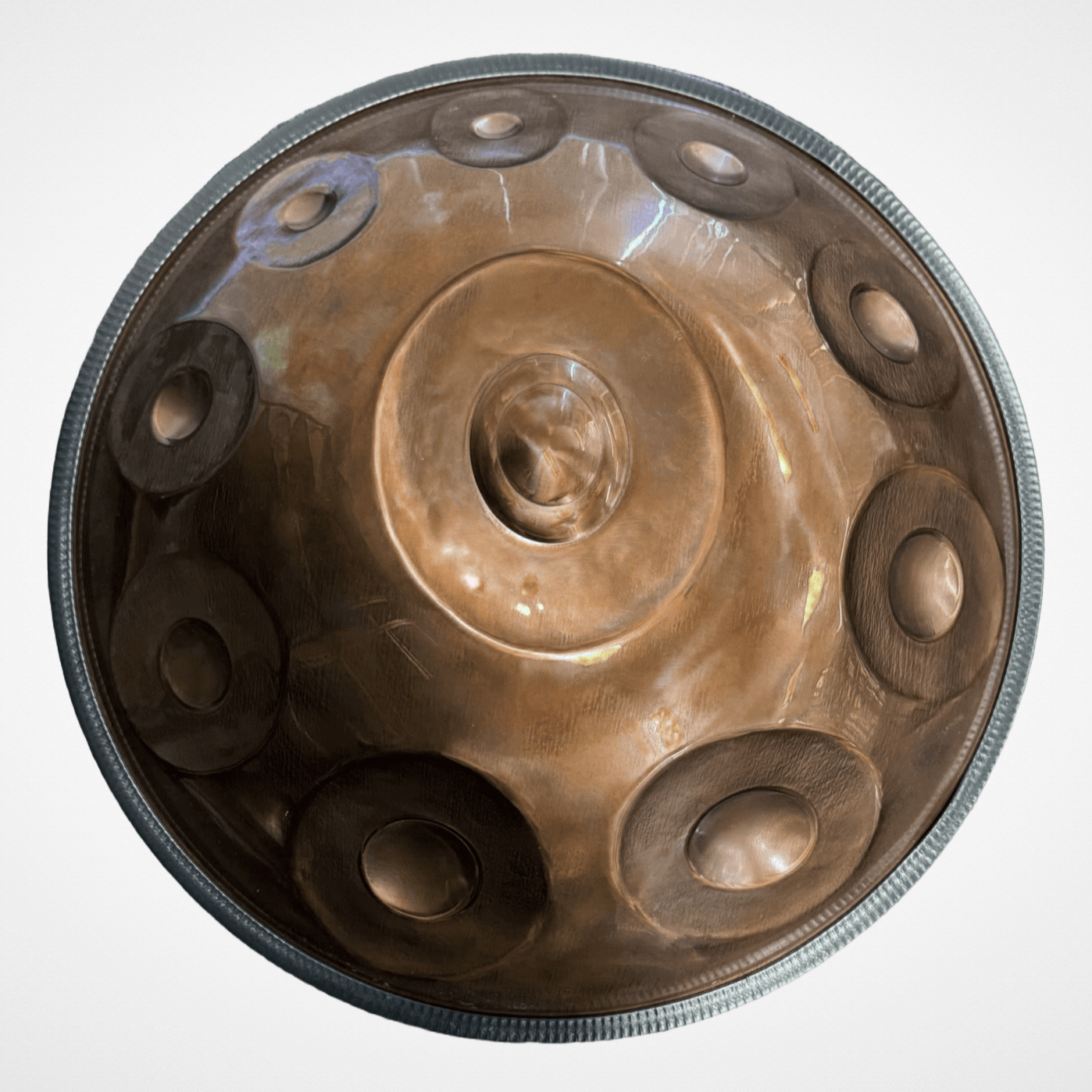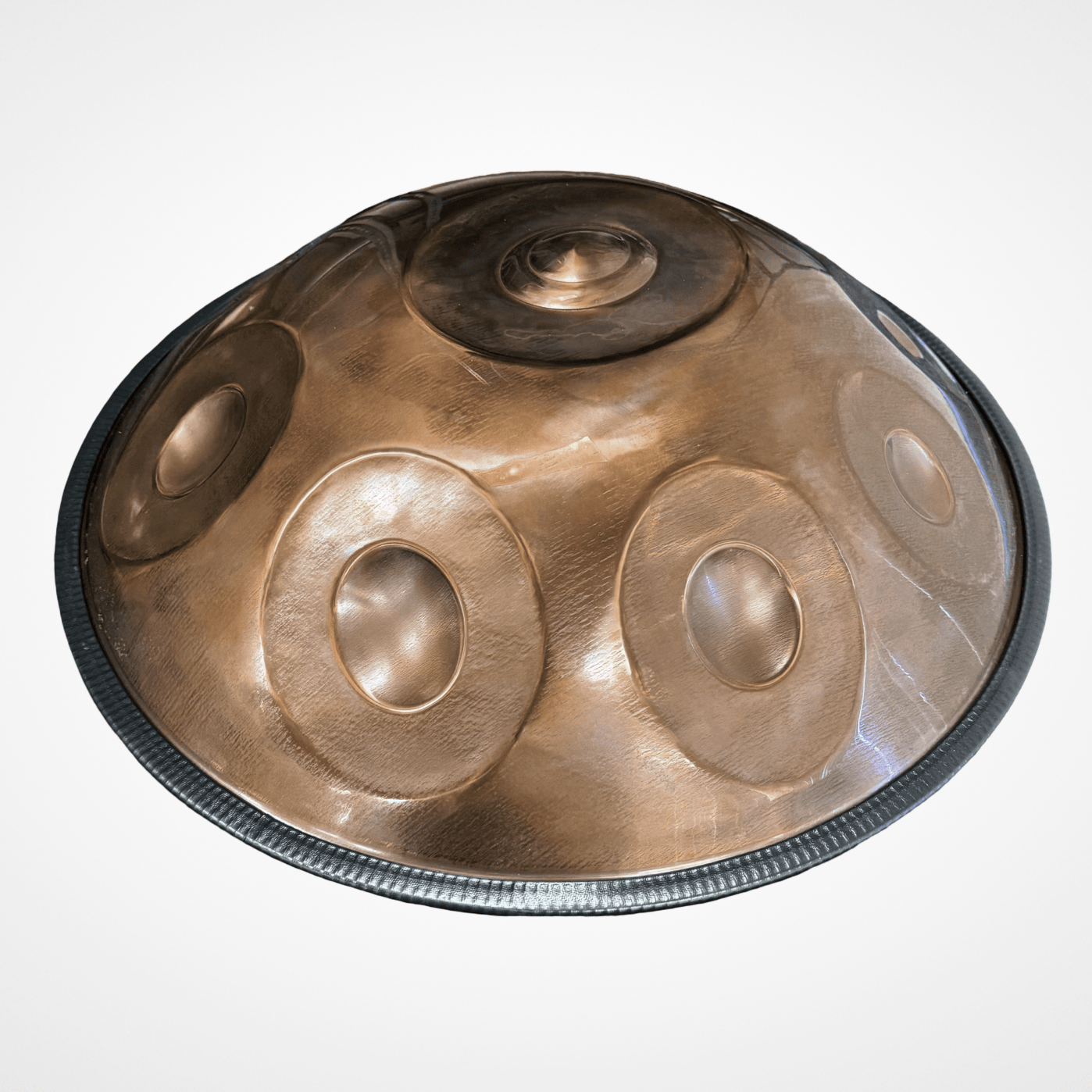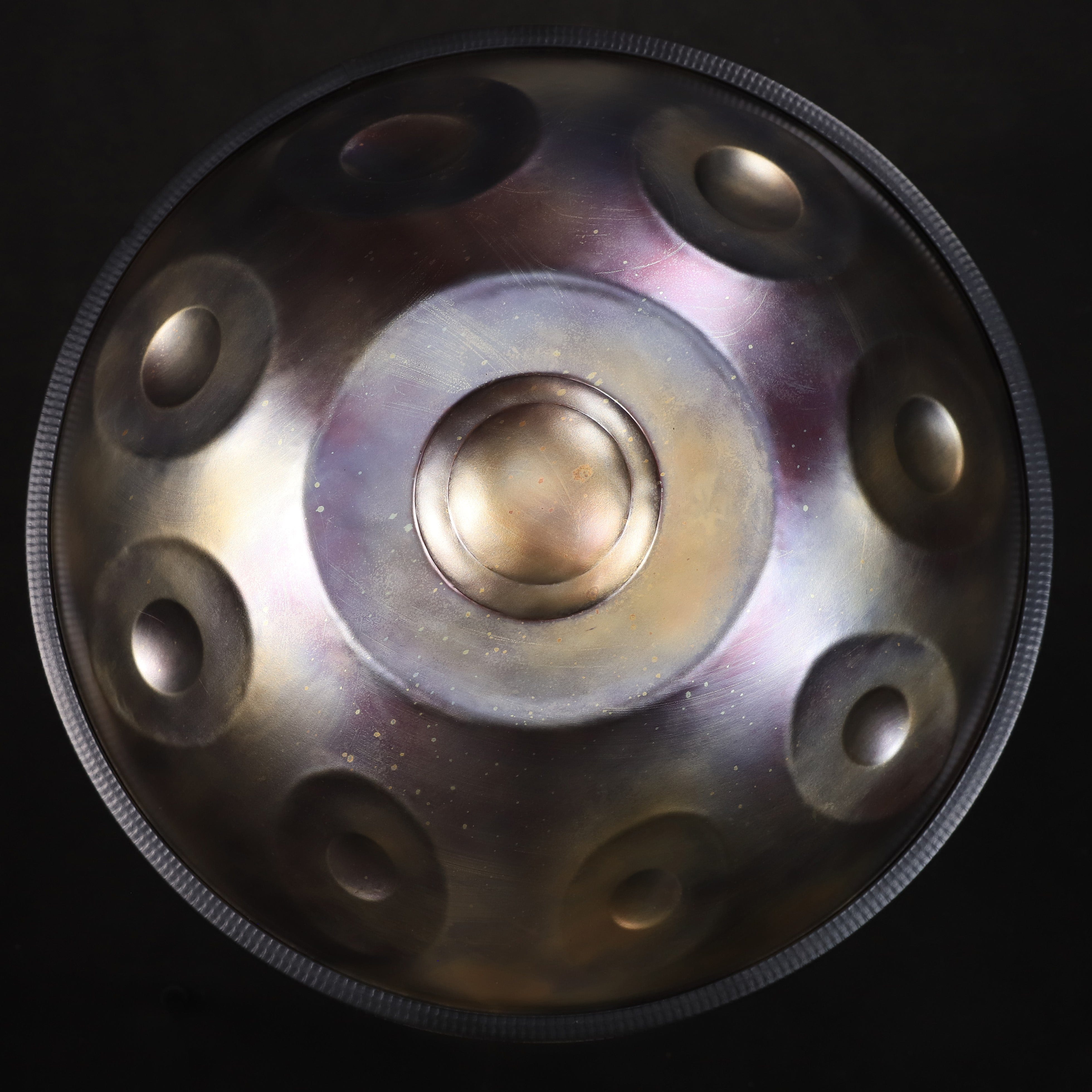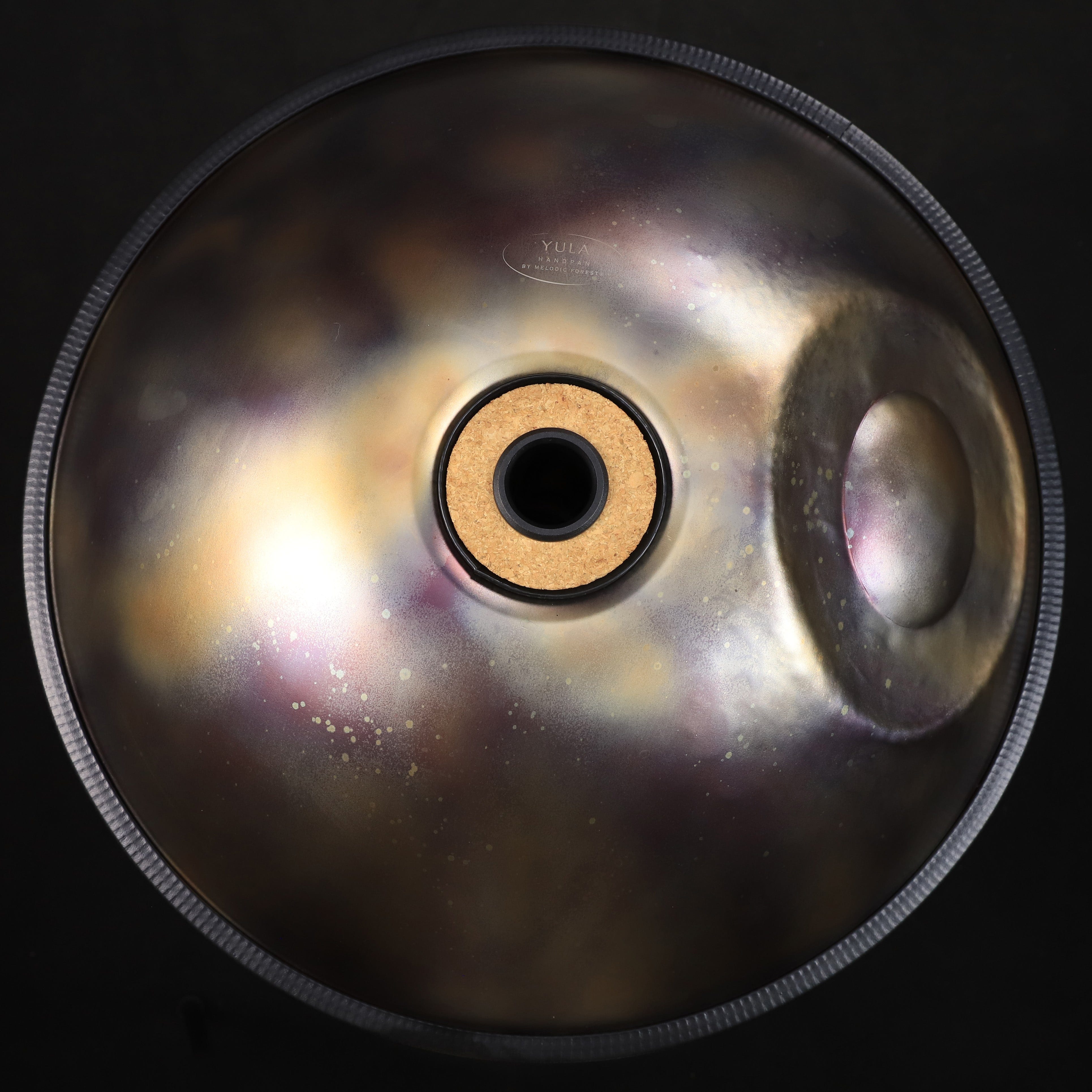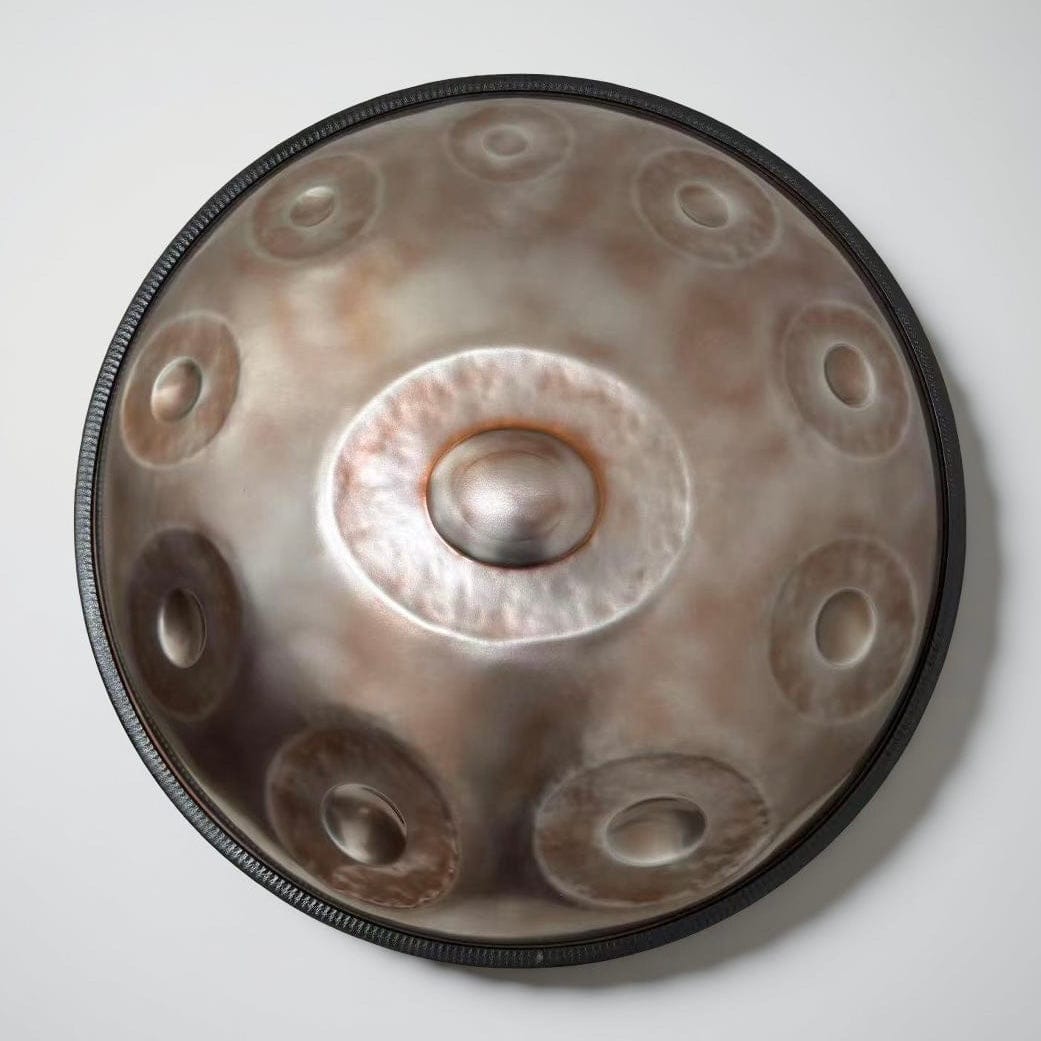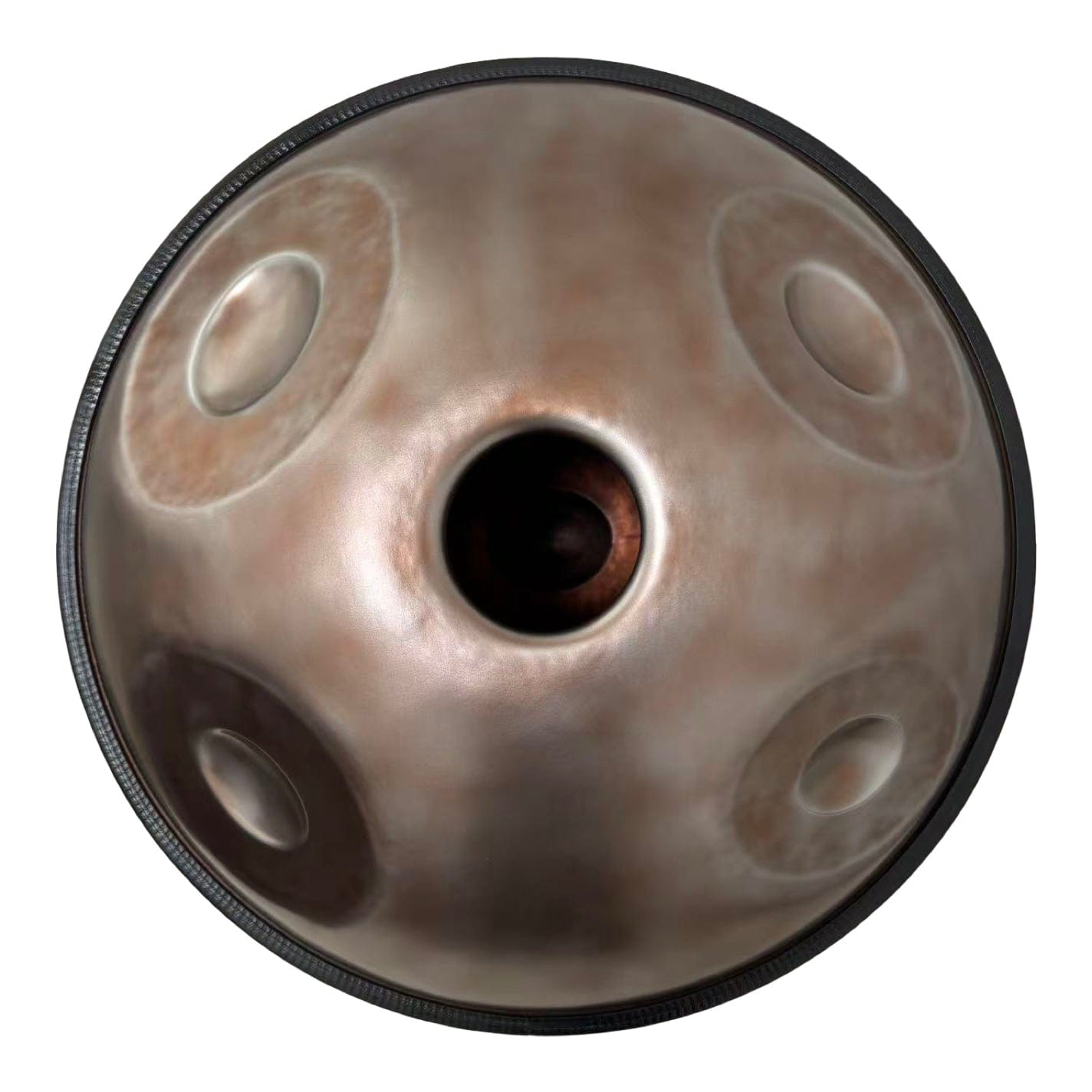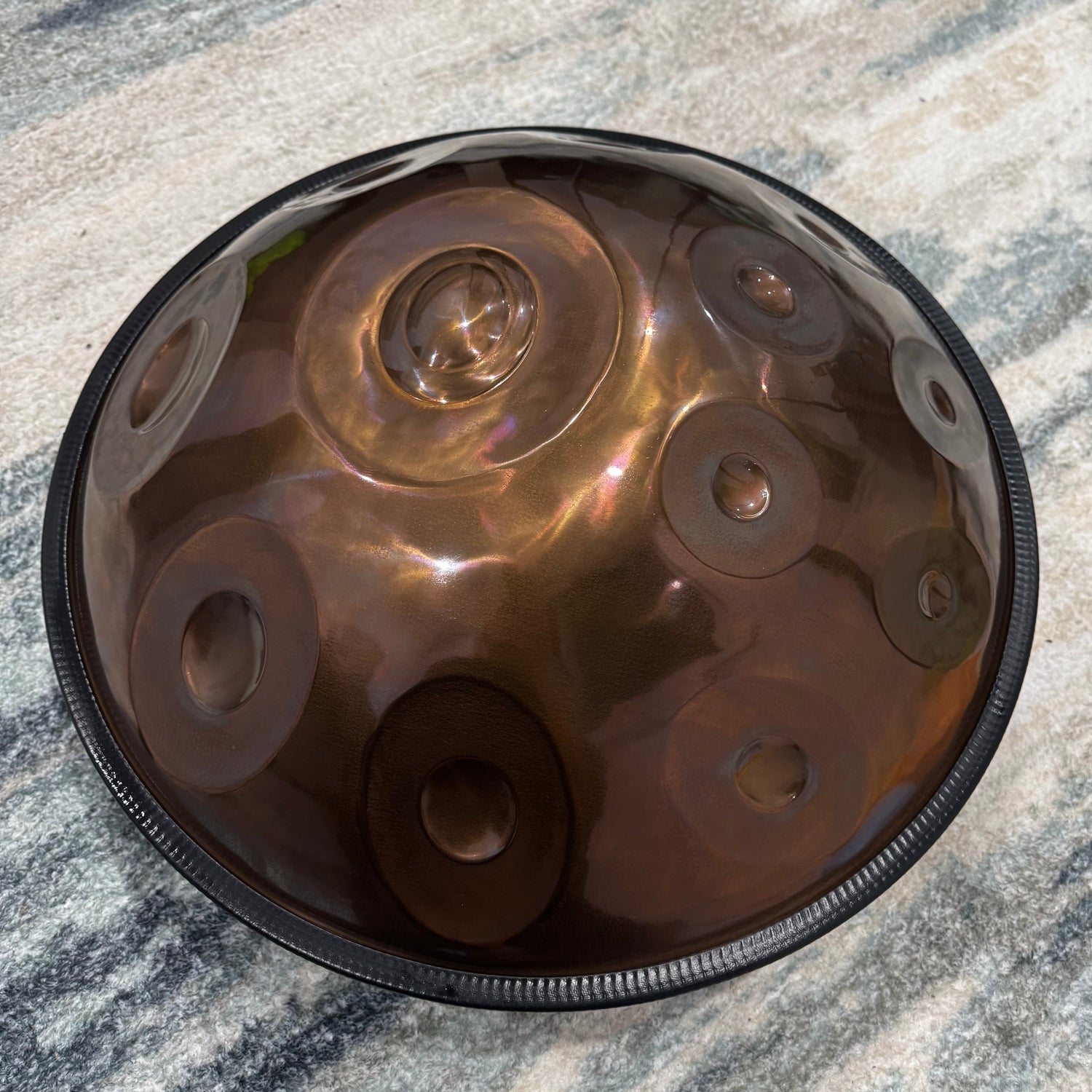
A handpan can feel surprisingly sturdy when you first hold it, but it is still a finely tuned steel instrument. A few small care habits make a big difference to how it looks, sounds and ages.
The good news is that handpan care does not need to feel complicated. You do not need a workshop, specialist tools or a long maintenance routine. Most of the work is simply keeping moisture, rough handling and harsh surfaces away from the instrument.
This guide is written for beginners who have just bought a handpan, are thinking about buying one, or want to understand what daily care really looks like before bringing one home.
Quick answer: how do you care for a handpan?
To care for a handpan, keep it dry, wipe it after playing, store it out of extreme heat or humidity, avoid hard impacts, and use a suitable handpan oil or protectant if your instrument maker recommends it.
Most beginner handpan care comes down to seven simple habits:
- Wash and dry your hands before playing.
- Wipe the handpan after each session.
- Keep it away from rain, damp grass and salty air.
- Do not leave it inside the case for long-term storage.
- Store it somewhere stable, dry and shaded.
- Use the right oil or protectant, not random household products.
- Handle it gently so the notes stay protected.
Why handpan care matters
A handpan is tuned by carefully shaping steel. Each note area is sensitive, and the surface finish helps protect the metal underneath. When a handpan is exposed to moisture, sweat, salt, heat or knocks, it can develop rust, marks or tuning issues over time.
This does not mean you need to be afraid of your instrument. Handpans are made to be played. They just respond best to calm, consistent care.
If you are still choosing your first instrument, you may also find our guide to buying a handpan in Australia helpful before comparing models.
1. Wash and dry your hands before playing
Your hands naturally carry oils, sweat, sunscreen, moisturiser and tiny traces of salt. Over time, those can sit on the handpan surface and make the finish more vulnerable.
Before playing, give your hands a quick wash and dry them well. If you have just applied hand cream, sunscreen or insect repellent, wait until your hands are clean again before touching the notes.
This habit is especially important in summer, after exercise, after swimming, or if you are playing outdoors.
2. Wipe the instrument after every session
After playing, use a soft microfibre cloth to gently wipe the top and bottom shell. You are not scrubbing. You are simply removing fingerprints, sweat and moisture before they have time to settle.
Keep one cloth in your handpan bag so you do not need to search for it later. A dry wipe after each session is one of the easiest ways to prevent long-term surface problems.
| After playing | What to do | What to avoid |
|---|---|---|
| Indoor practice | Dry microfibre wipe | Leaving fingerprints overnight |
| Outdoor playing | Wipe dust, sweat and moisture promptly | Putting it straight away damp |
| Beach or coastal air | Wipe carefully and check for salt exposure | Leaving salty residue on the surface |
3. Keep your handpan away from moisture
Moisture is one of the biggest care concerns for handpans. Rain, wet grass, damp towels, humid rooms and salty coastal air can all increase the chance of rust.
Avoid placing your handpan directly on grass, sand or damp ground. If you play outside, use a proper stand, clean mat or stable dry surface. If the instrument gets wet, dry it as soon as possible with a soft cloth and let it air in a safe indoor place.
For Australian players, humidity can vary a lot between regions and seasons. If you live near the coast or in a humid area, it is worth checking the surface more regularly.
4. Do not use the case for long-term storage
A handpan case is wonderful for transport, but it is usually not the best place for long-term storage. Cases can trap moisture, especially if the instrument was packed away after outdoor playing or travel.
At home, store your handpan somewhere dry, shaded and stable. A stand can work well if it is in a safe part of the room where the instrument will not be bumped. If you prefer to keep it covered, use a breathable cloth rather than sealing it into a damp environment.
The case is for moving the handpan from place to place. Your everyday storage spot should help the instrument breathe.
5. Protect it from heat, cars and direct sun
Handpans do not like extreme temperature changes. Avoid leaving your instrument in a hot car, near a heater, in direct sun for long periods, or anywhere that swings between hot and cold quickly.
Heat can make the surface uncomfortable to touch and may place stress on the instrument. Direct sun can also make outdoor sessions less safe for both the player and the handpan.
If you are travelling to a workshop, sound bath or picnic, treat your handpan like a delicate acoustic instrument. Bring it inside when you arrive, and do not leave it in the boot while you run errands.
6. Use the right oil or protectant
Some handpans benefit from occasional oiling or a protective product, depending on the steel, finish and maker recommendations. This can help create a light barrier against moisture and fingerprints.
Use only products that are suitable for handpans or recommended by the maker or retailer. Avoid random household oils, heavy sprays, abrasive cleaners, alcohol wipes and harsh chemicals. They may leave residue, affect the finish, or make the surface harder to maintain.
If you are unsure, start gently: clean hands, dry cloth, good storage. Then ask before adding any product to the surface.
7. Handle the notes gently
A handpan is made for touch, but it is not made for hard strikes. You do not need force to make a beautiful sound. In fact, many handpans respond best to relaxed hands and light, confident contact.
Avoid wearing rings, bracelets or watches that may scratch the surface while playing. Keep keys, zippers and metal accessories away from the instrument. When setting it down, use both hands and choose a stable surface.
If you are a new player, our free beginner handpan tutorial article is a gentle next step: Beginner Handpan Tutorials - 3 Cinematic Songs + 1 Easy Groove.
Common beginner care mistakes
Most handpan damage is not dramatic. It often comes from small habits repeated over time. Here are the mistakes worth avoiding from the beginning.
- Leaving it packed away damp: dry it before it goes into the case.
- Playing after sunscreen or moisturiser: clean hands first.
- Storing it in a hot car: bring it indoors whenever possible.
- Putting it on wet grass: use a dry stand or mat.
- Using harsh cleaners: choose handpan-safe care products only.
- Hitting too hard: let the instrument resonate naturally.
How often should you clean or oil a handpan?
For everyday care, wipe your handpan after each playing session. That is the habit that matters most.
Oiling or applying a protectant depends on your instrument, climate and how often you play. A handpan played daily in humid or coastal conditions may need more attention than one played occasionally in a dry indoor room.
If your handpan came with care instructions, follow those first. If you bought from Melodic Forest and are unsure, ask before using a new product on the surface.
What if you see rust starting?
If you notice a small surface rust spot, do not panic. Minor rust on a handpan is very normal, especially on premium instruments that are built for sound quality rather than covered in a heavy protective coating.
Many top handpan players around the world have small rust marks on their instruments because they travel often, play outside, and bring their handpans into real weather and real life. A tiny surface mark does not mean the instrument is ruined. In most cases, nobody loses a handpan because of a little surface rust.
Over time, small marks can soften into the natural aging of the instrument. They often blend in more evenly with the finish and become part of the handpan's lived-in character.
That said, it is still worth paying attention. If you are unsure whether a mark is harmless surface rust or something that may need care, take a clear photo, note where it is, and email us for advice. We can help you understand what it is, how to improve it if needed, and how to prevent it from getting worse.
Handpan care checklist
- Hands clean and dry before playing.
- Soft cloth nearby.
- Surface wiped after every session.
- No damp case storage.
- No hot car storage.
- No harsh cleaners or unknown oils.
- Safe stand or dry surface for playing.
- Regular check for marks, rust or changes in sound.
FAQ
Can I leave my handpan in its bag?
For short transport, yes. For long-term home storage, it is usually better to store it somewhere dry and breathable. A case can trap moisture if the handpan is packed away damp.
Can I play my handpan outside?
Yes, as long as you protect it from rain, damp ground, sand, direct heat and salty air. Wipe it carefully afterwards, especially if you played near the beach or in humid weather.
Can a handpan go out of tune?
Yes. Strong impacts, rough handling or dropping the instrument can affect tuning. Normal gentle playing should not be a problem, but handpans should be treated with care.
Do beginner handpans need less care than premium handpans?
No. A beginner handpan still needs thoughtful care. The price may be different, but the instrument is still tuned steel and still needs protection from moisture, heat and knocks.
A gentle final note
Caring for a handpan is really about rhythm: clean hands, dry cloth, safe storage, gentle playing. Once those habits become automatic, the instrument feels much easier to live with.
If you are still choosing your first handpan, the next helpful step is understanding what type of beginner instrument will actually support you long term. You can read our related guide here: What Is a True Beginner Instrument? Why Cheap Isn't Always Better.