Melodic Forest • Beginner Series • Part 2
Why doesn’t your handpan sound quite right yet? Maybe some notes ring beautifully while others sound dull, weak or muted. These are some of the most common things I see when teaching beginners — and often, a tiny adjustment makes a big difference.
In Part 1 of our Beginner Guide, we covered note positions, basic technique and your first songs. Now let’s look at seven common mistakes that might be holding you back.
1. Pressing, Poking or Swiping Instead of Flicking
This is probably the most common mistake I see!
A lot of beginners press into the notes, poke at them or slide their fingers across the surface.
But here's the trick: it's not about how hard you hit. It's about how quickly you release.
Imagine your finger is a tiny whip. You want a light, quick flicking motion, touching the metal and lifting away immediately.
If your finger stays on the note for too long, it stops the vibration and mutes the sound. You'll notice this especially on higher notes.
2. Using Too Many Fingers
When you're just starting out, keep it simple. Use one finger at a time to strike each note.
It can be your thumb, index finger, middle finger or even your ring finger. Whatever feels most comfortable!
You don't need to use your whole hand or multiple fingers to create a beautiful sound. Once you're comfortable making a clean, consistent sound with one finger, you can explore more advanced techniques.
3. Being Too Afraid to Hit Your Handpan
I see this one all the time! You've probably heard that handpans are extremely delicate, so naturally you're being extra careful. But sometimes beginners are so gentle that they're almost afraid to wake the instrument up!
Your handpan is actually sturdier than you might think.
Yes, handpans are sensitive to drops, impacts and excessive force. But they're designed to be played! You don't need to hit hard, but you do need a confident, controlled strike to bring out the sound.
So don't be afraid to play. A light, quick and confident movement is what you're looking for.
4. Hitting the Wrong Spot
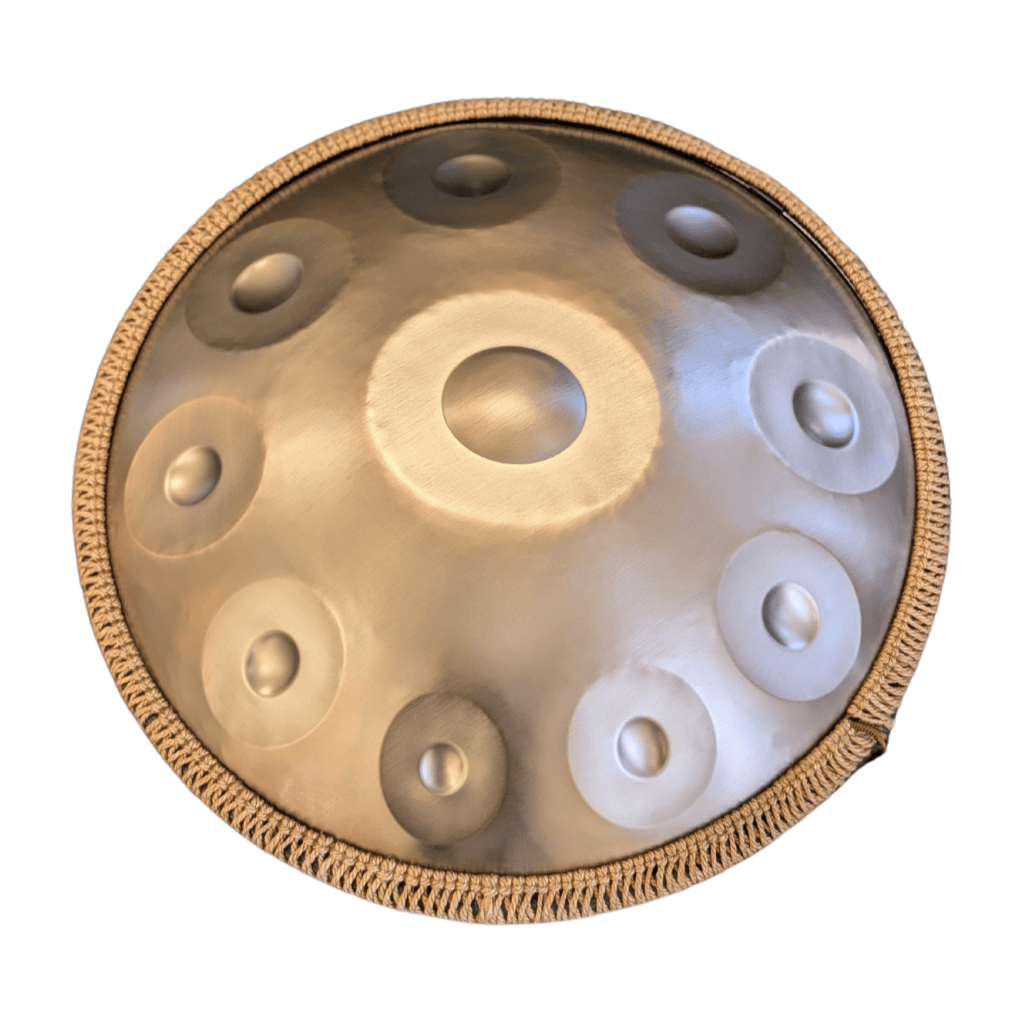
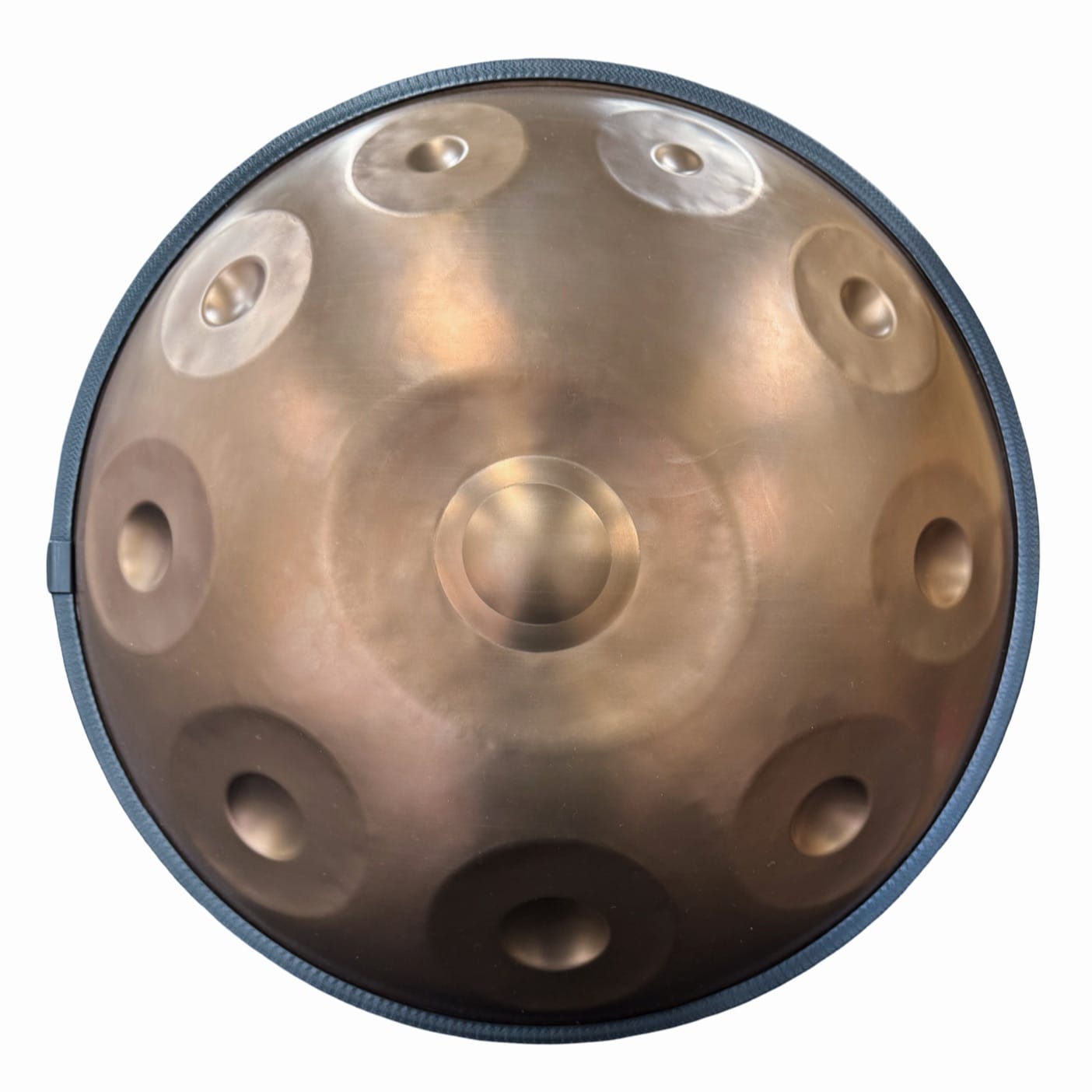
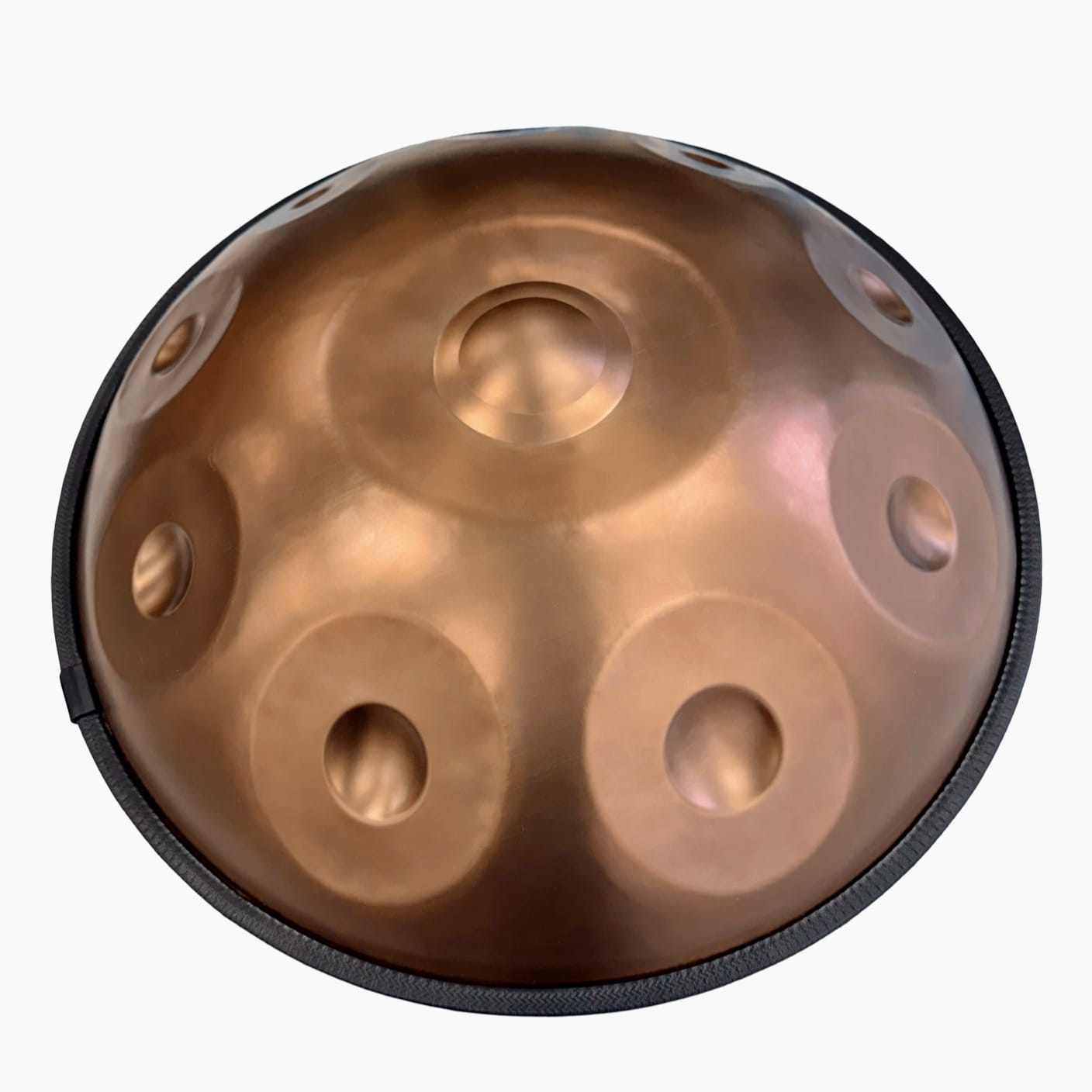
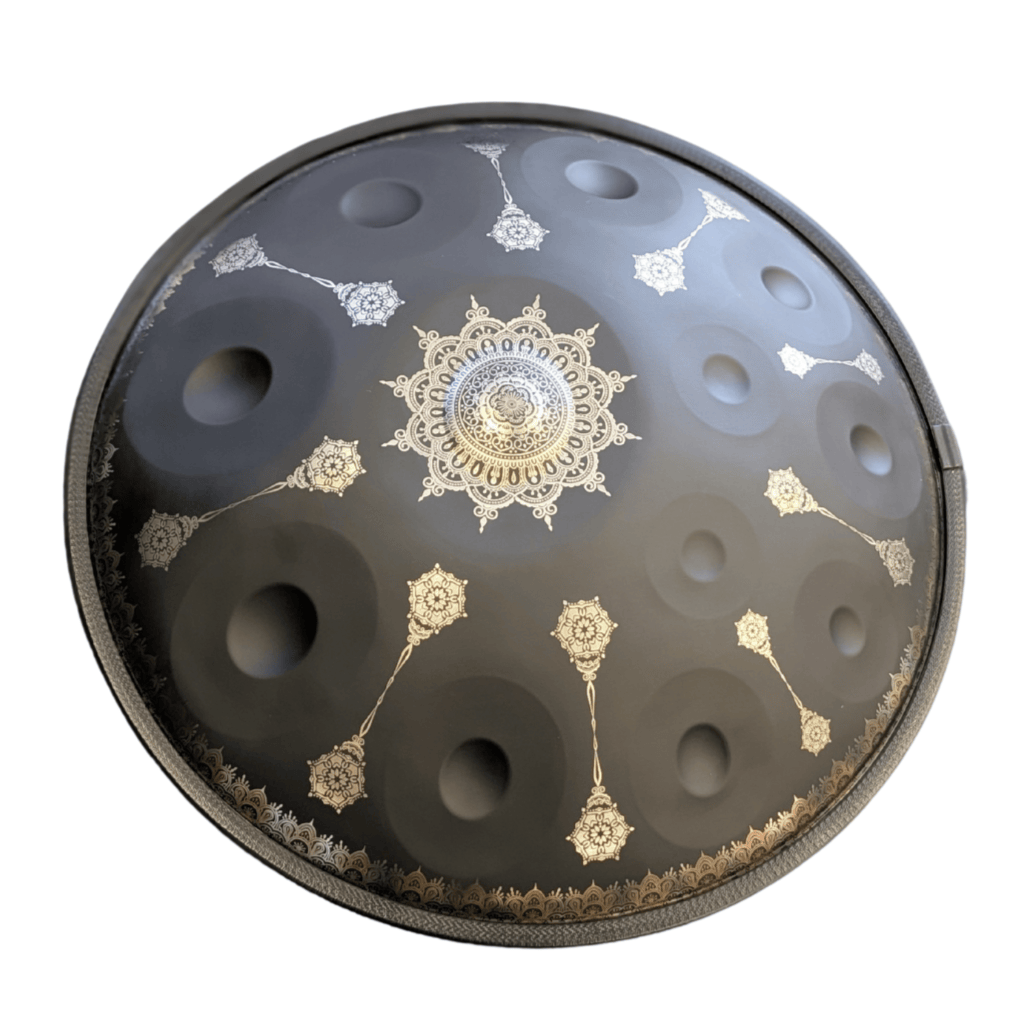
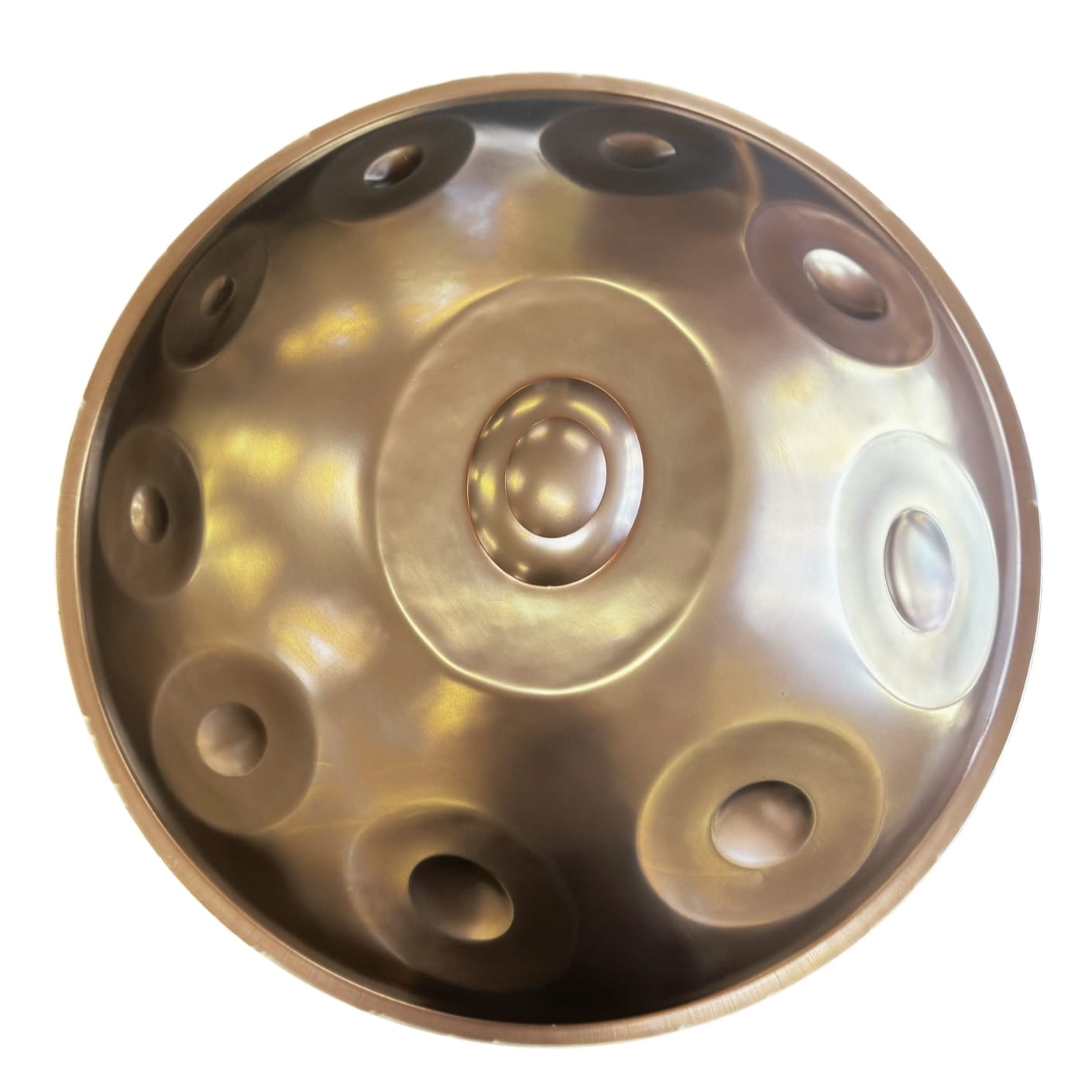
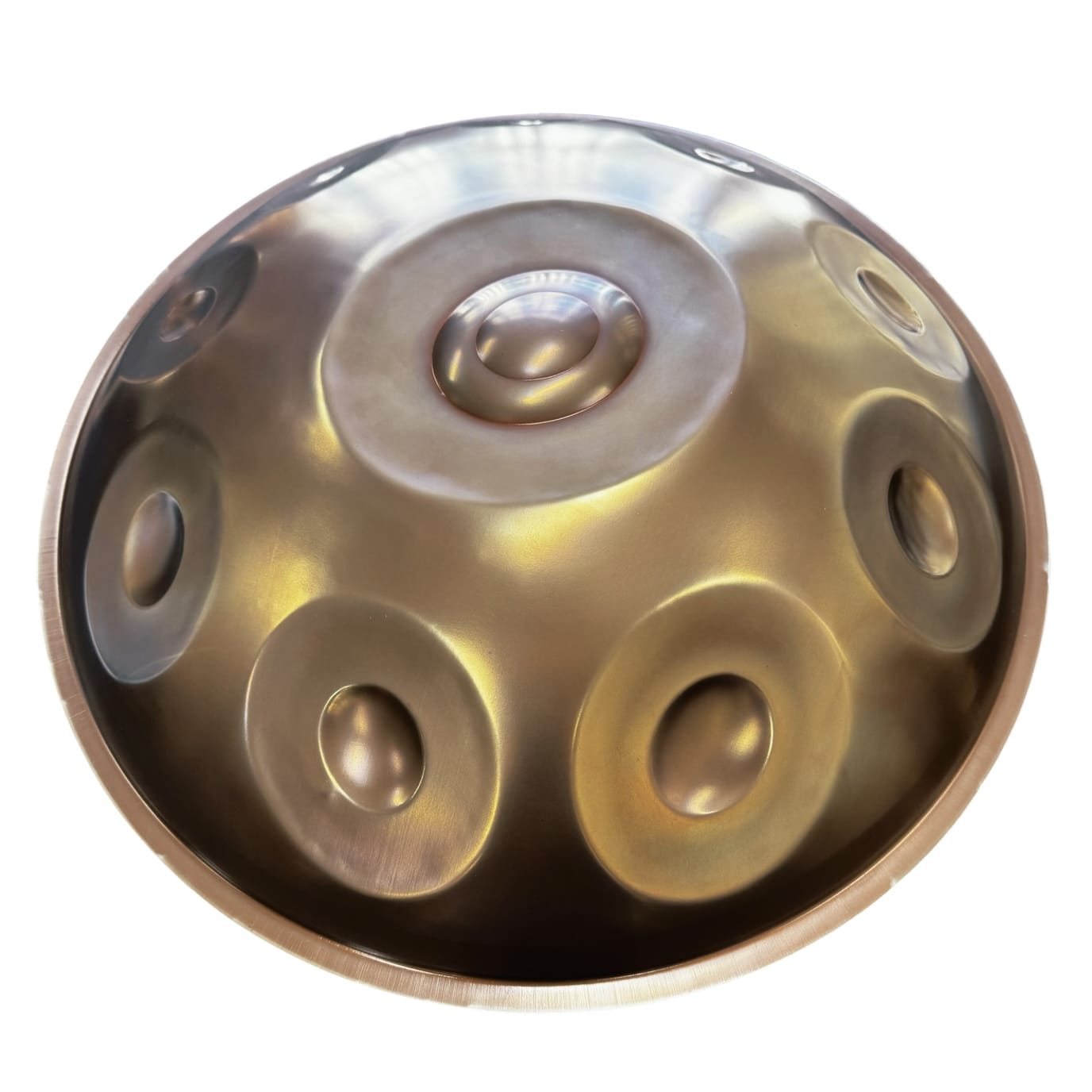
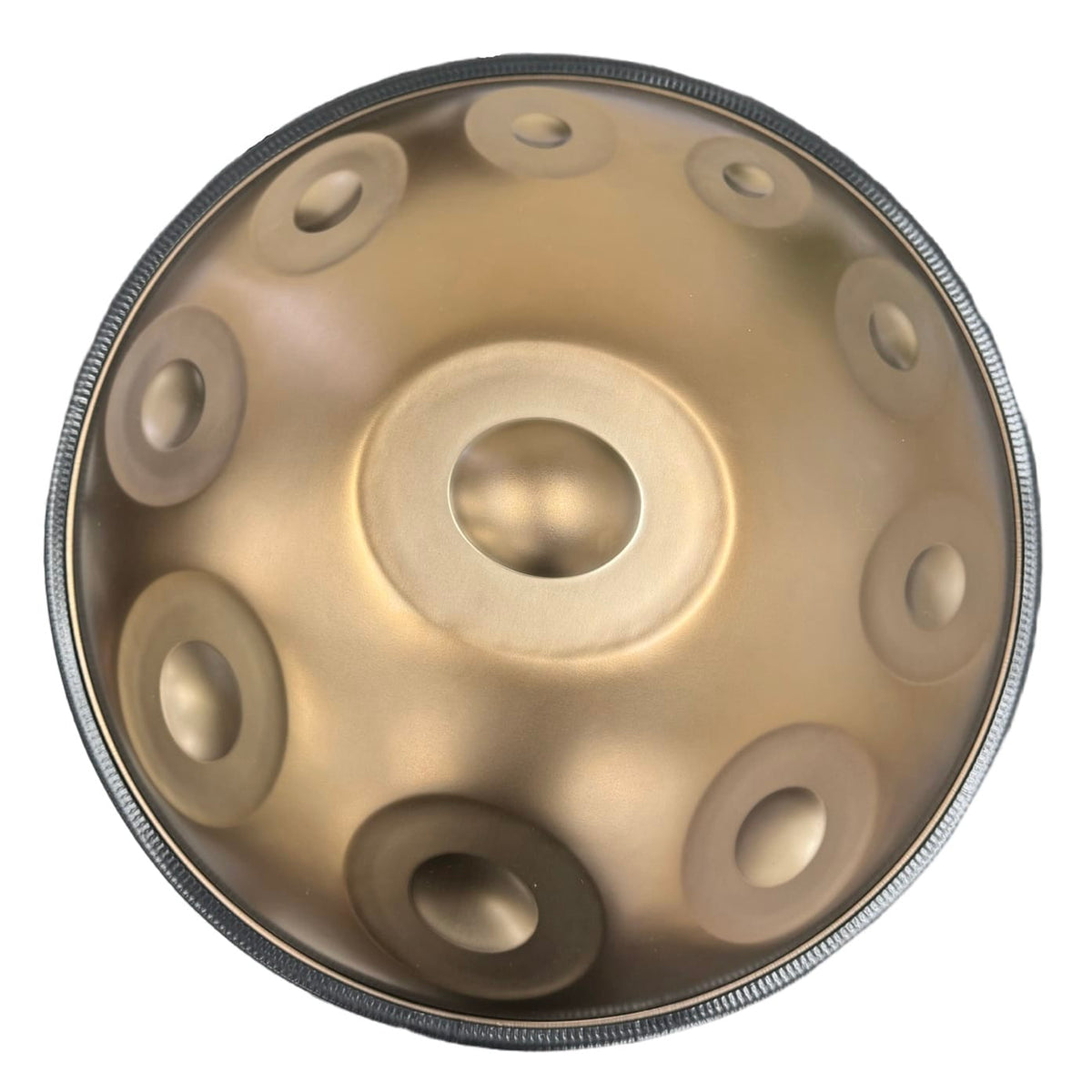
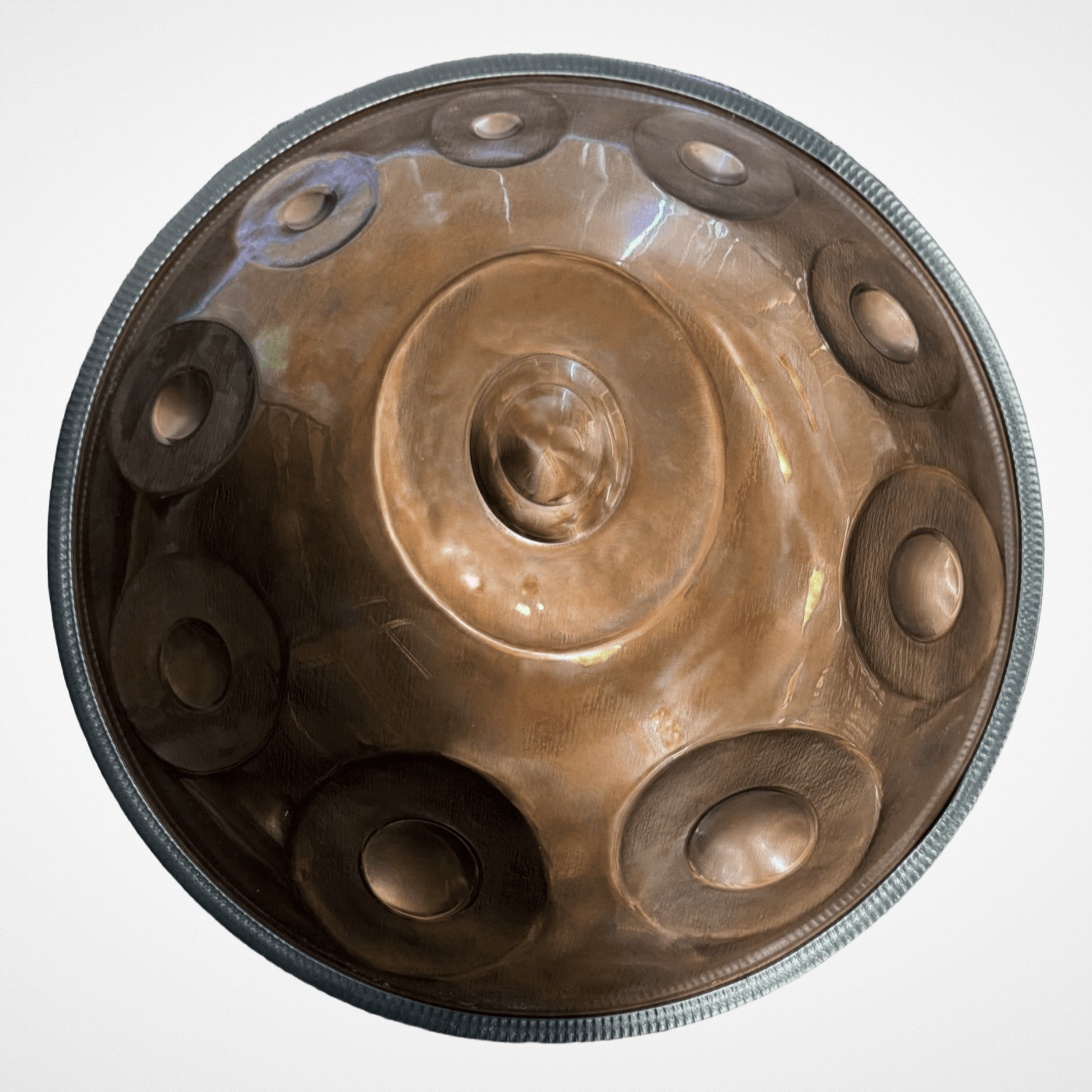
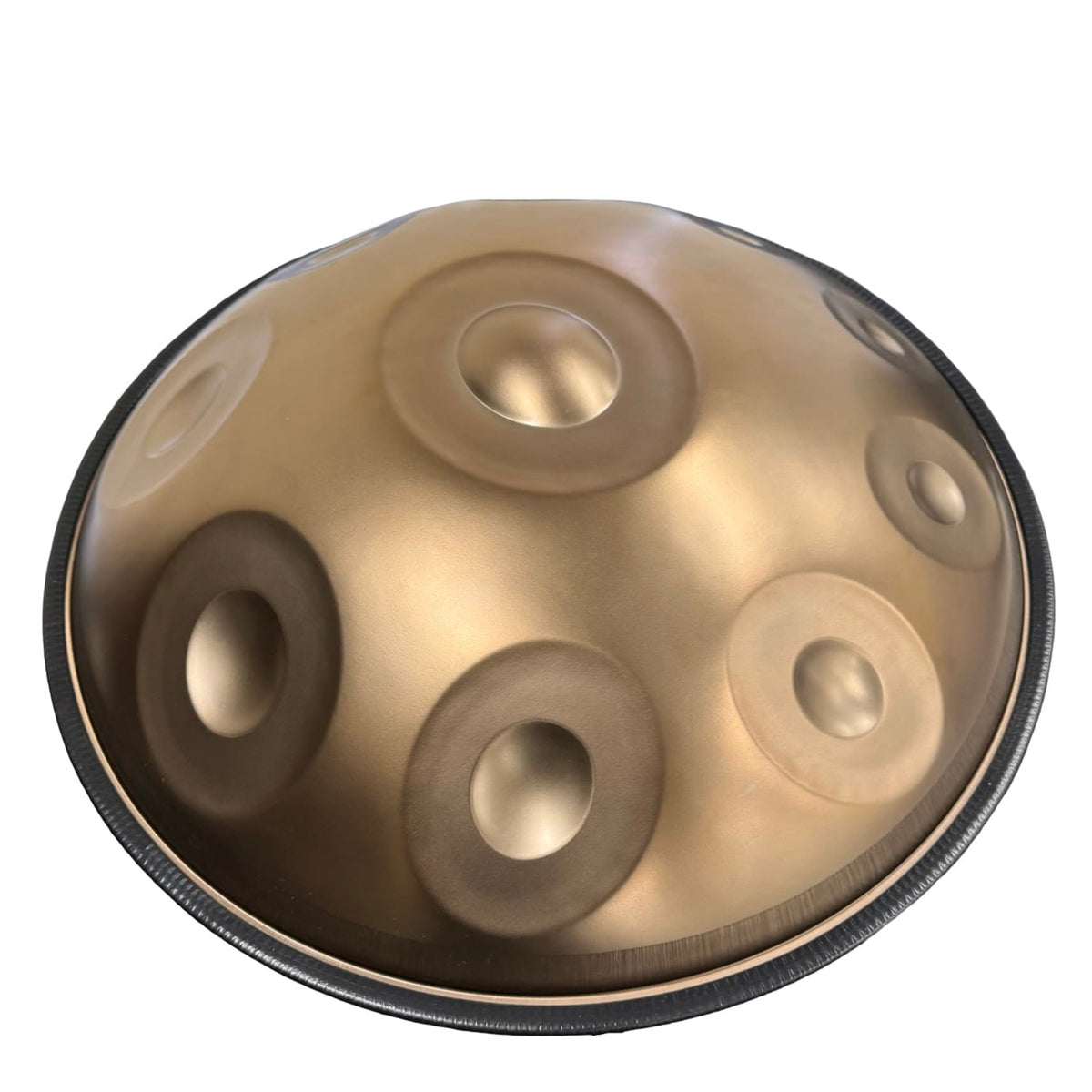
Where you strike makes a huge difference to the sound. Each note has a small raised or recessed centre, called the dimple, surrounded by its tone field.
For beginners, I recommend aiming near the inner edge of the tone field, just outside the centre dimple.
Avoid striking directly into the dimple or too far out towards the outer edge. The sweet spot is where you'll usually find it easiest to produce a clear, full sound with beautiful sustain.
5. Tilting Your Handpan Towards Yourself
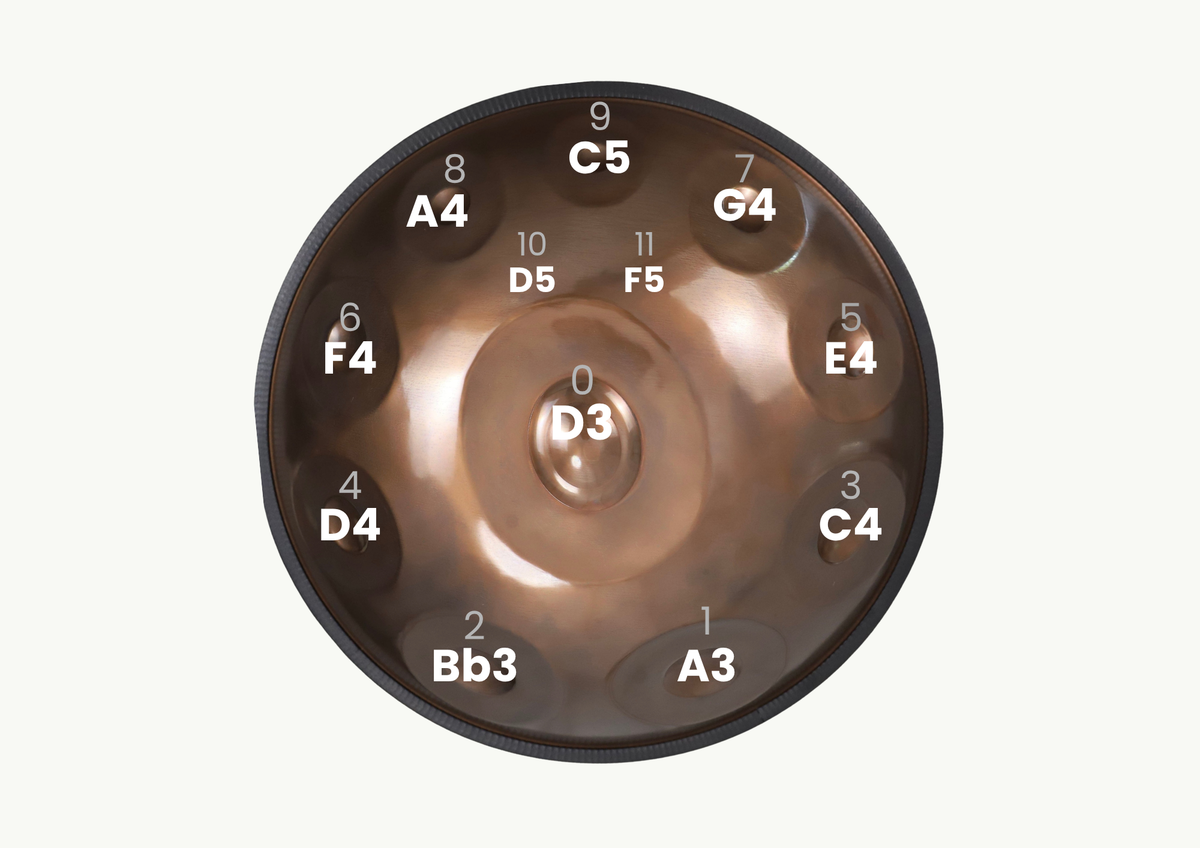
This is something I see a lot with beginners. You want to see all nine or ten notes, so you tilt your handpan towards your body. It makes sense, right?
But when it tilts towards you, reaching the notes furthest away becomes awkward. Your elbows start sticking out, and suddenly you're playing with a strange little chicken-wing motion!
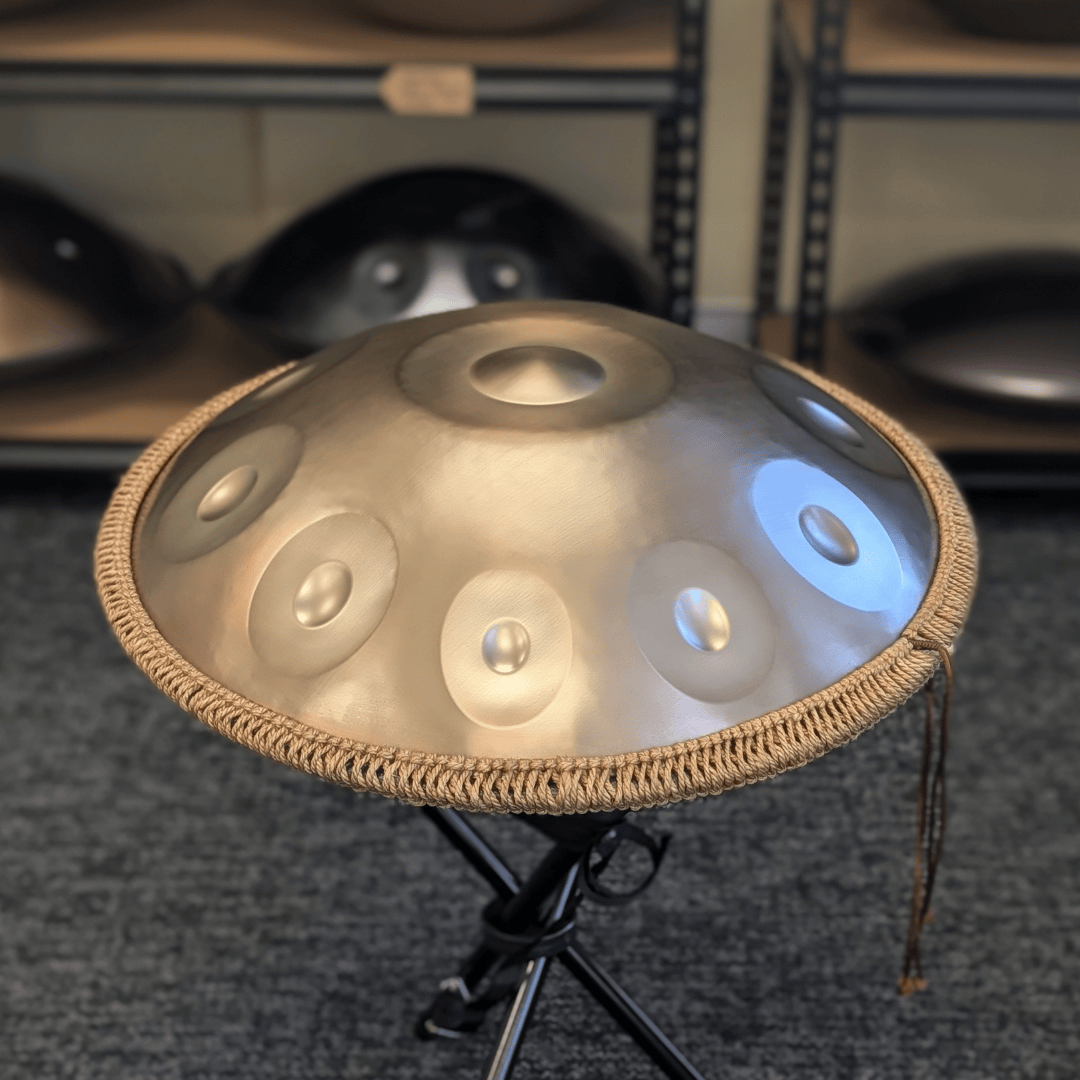
Instead, position your handpan comfortably, slightly angled away from you.
And here's the important part: you don't actually need to see every note. After a little practice, your hands will naturally learn where the notes are. You'll have more freedom to move around the instrument, too.
6. Blocking the Sound Hole
Your handpan has a sound hole underneath, and it needs room to resonate. If you place it on a pillow, a flat table or another surface that blocks the opening, a lot of its beautiful resonance gets lost.
Another thing to watch for: those little fabric-topped stools that sometimes come with beginner handpans. They might look like handpan stands, but if the fabric covers the sound hole, they're not suitable for playing.
Play with your handpan on your lap or on a proper open handpan stand. Keep the sound hole clear. Sometimes fixing your setup makes a bigger difference than changing your technique!
7. Stiff Hands and Wrists
This happens to everyone, even experienced players. You're concentrating so hard on getting the notes right that your fingers, wrists and arms start tightening up. And the more frustrated you get, the stiffer you become.
When that happens, my advice is simple: stop playing for a moment.
Stand up, walk around the room, shake out your hands and let your shoulders relax. Then come back and try again. You might be surprised how much easier everything feels.
Handpan is a very intuitive instrument. The less you overthink every movement, the more naturally things tend to flow.
A Little Practice Goes a Long Way
If there’s one thing I want you to remember, it’s this: good handpan playing isn’t about strength. It’s about relaxed movement, coordination and letting the instrument resonate.
You don’t need to master everything immediately. Start slowly, experiment with different notes and enjoy the process. Even five or ten minutes of relaxed practice a day can make a difference.
And most importantly, have fun!
Watch the Full Demonstration
Sometimes it’s much easier to understand these little adjustments when you can see and hear the difference. I demonstrate all seven mistakes in the video.View this post on Instagram
Watch Tiffany demonstrate the 7 common mistakes.