
Choosing a new handpan can feel daunting when navigating unverified online listings with unpredictable overtone quality and muddy resonance. In contrast, selecting a meticulously crafted instrument ensures that every tone field vibrates in pitch-perfect harmony, allowing you to create captivating music intuitively without the frustration of discordant notes.
Key Takeaways
- Handpan scales are fixed modal tunings where every tone field harmonises naturally with the central ding.
- Minor tunings such as D Kurd and Amara (Celtic Minor) are the most versatile and beginner-friendly choices.
- Concert pitch (440 Hz) ensures compatibility with other musicians, while 8 + 1 layouts provide ideal note isolation.
- Explore hand-tested instruments in our curated Australian handpan collection.
At Melodic Forest, we understand that finding the right sound begins with demystifying scale architecture. We specialise in curating intuitive, character-rich instruments designed to support your musical journey, sound meditation sessions, and creative exploration from your very first strike.
Every instrument in our collection is hand-tested for balanced resonance, sustain, and overtone stability. Backed by educational guides, community resources, and our Sydney showroom, we provide the expert support you need to choose your ideal sound with complete peace of mind.
Handpan Scales Explained: Popular Families and Note Layouts
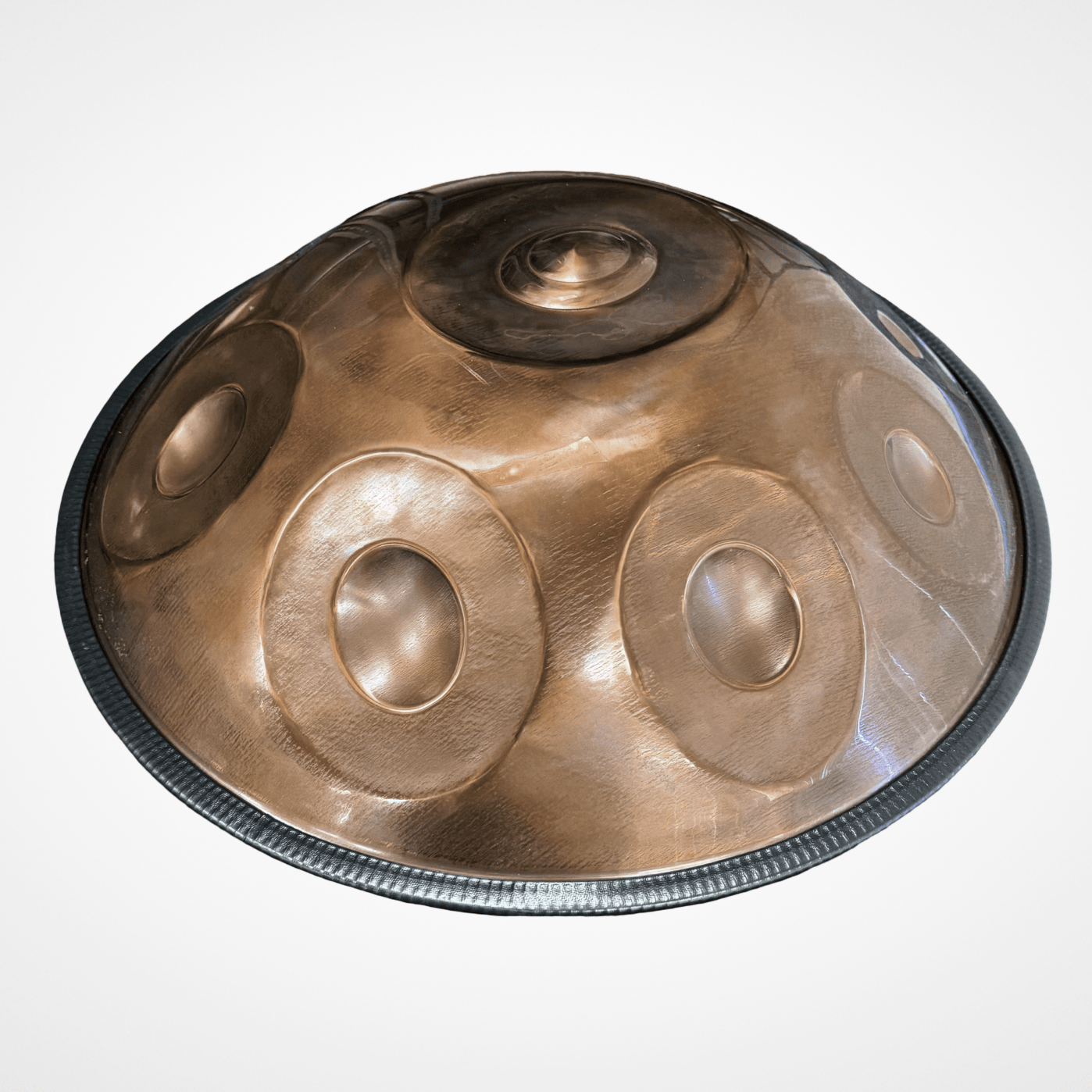
When exploring how different models sound, understanding scale architecture helps you select an instrument that matches your musical tastes. Unlike chromatic instruments that contain all twelve notes of the musical alphabet, a handpan features a carefully selected collection of notes known as a modal scale. Every tone field is shaped and tuned by hand so that the fundamental pitch, octave, and compound fifth ring in sympathetic resonance across the steel dome.
Because the notes are locked into a dedicated key, there are no wrong notes on a well-built shell. This unique quality allows you to play purely by ear and touch. As you discover the physical layout of the steel, you will find that different scale families produce distinctly different sonic landscapes.
Handpan Scales Explained: Kurd, Amara, and Minor Modes
Minor modes represent the heart of the modern handpan community. These scales deliver the warm, introspective, and meditative sustain that has drawn so many players to the instrument.
The most famous minor scale is D Kurd, which is built on the natural minor scale. It contains a complete sequence of notes that offers endless melodic versatility. A close relative is the Amara scale, often referred to as Celtic Minor. While Kurd provides a full seven-note diatonic minor palette, Amara omits certain tension notes, leaving a smooth pentatonic core. This makes Amara exceptionally easy for flowing improvisation, as every combination of notes blends seamlessly.
Handpan Scales Explained: Major, Pygmy, and Eastern Variations
While minor scales dominate handpan recordings, several other scale families offer delightful tonal possibilities for specific styles of playing:
- Major scales (such as Sabye or Pygmy Major): These layouts offer bright, uplifting, and joyful tones. If you want your playing to feel sunny, optimistic, and energetic, a major tuning is a wonderful path to explore.
- Pygmy scales: Originating from traditional African polyphonic singing modes, the Pygmy scale is built around a grounded, earthy, and hypnotic minor pentatonic structure. It creates an organic, trance-inducing resonance that sits naturally in rhythmic playing.
- Eastern and Exotic scales (such as Hijaz and Ragadesh): Characterised by harmonic minor intervals and augmented steps, these scales evoke dramatic Middle Eastern and South Asian musical styles. While striking and cinematic, they possess a strong musical character that can feel restrictive for general everyday practice.
Ding Notes, Layouts, and Tone Fields
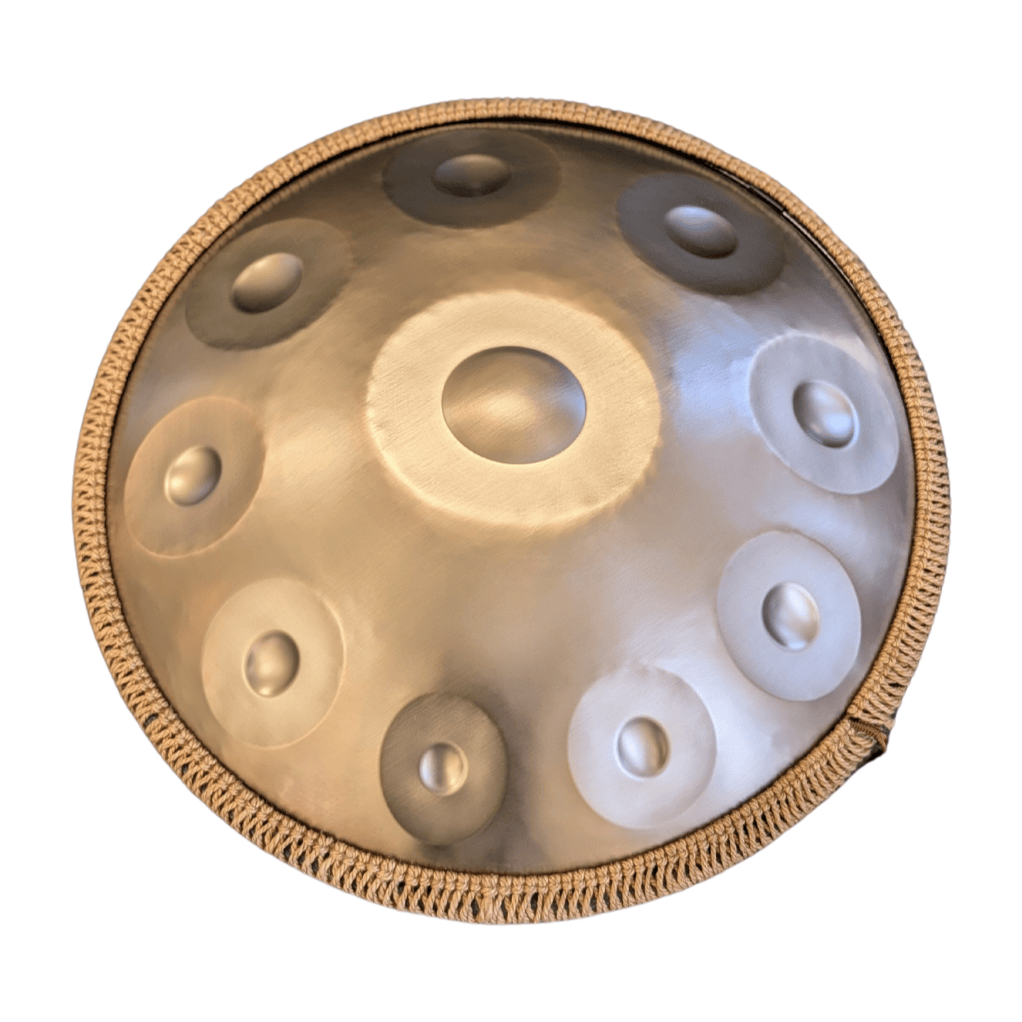
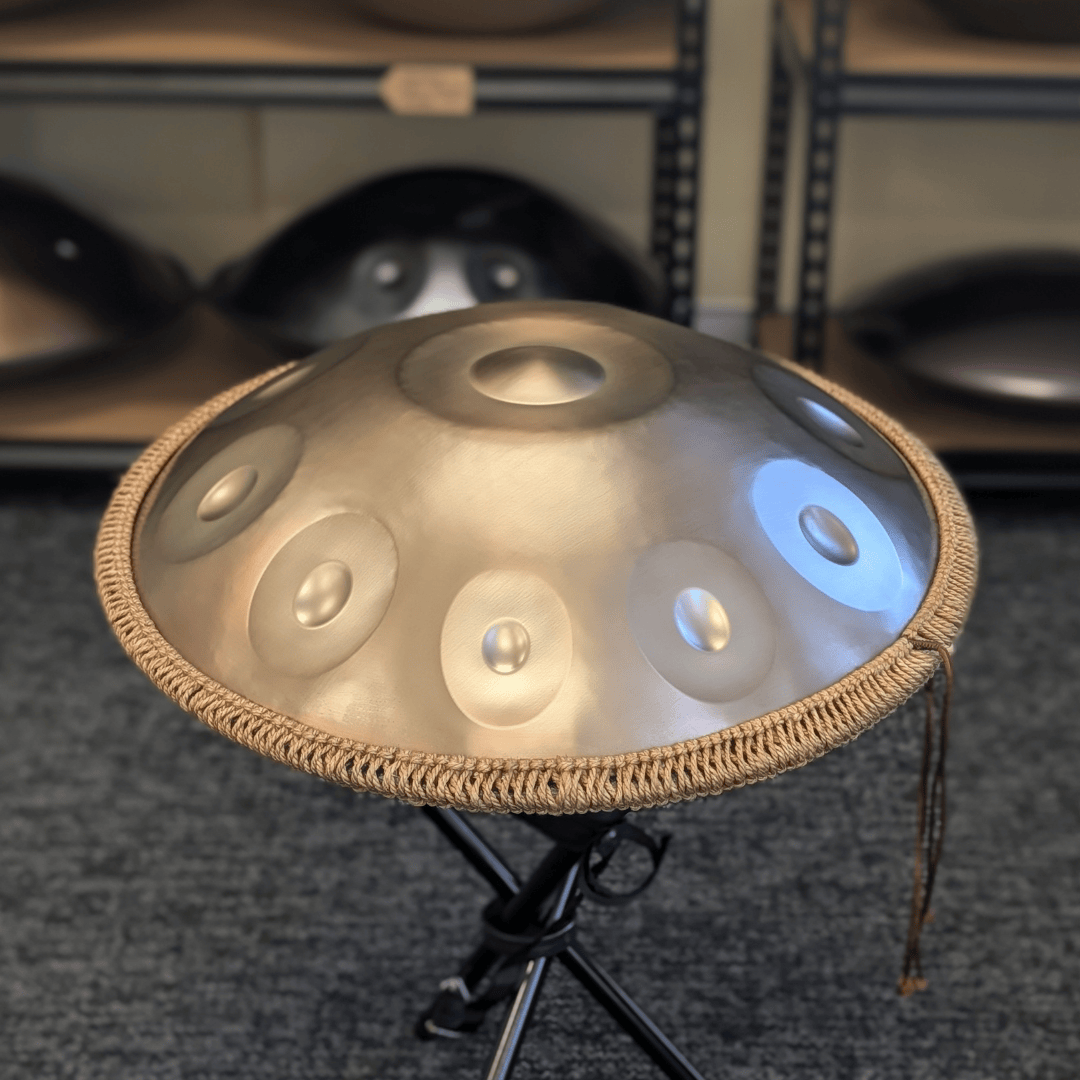
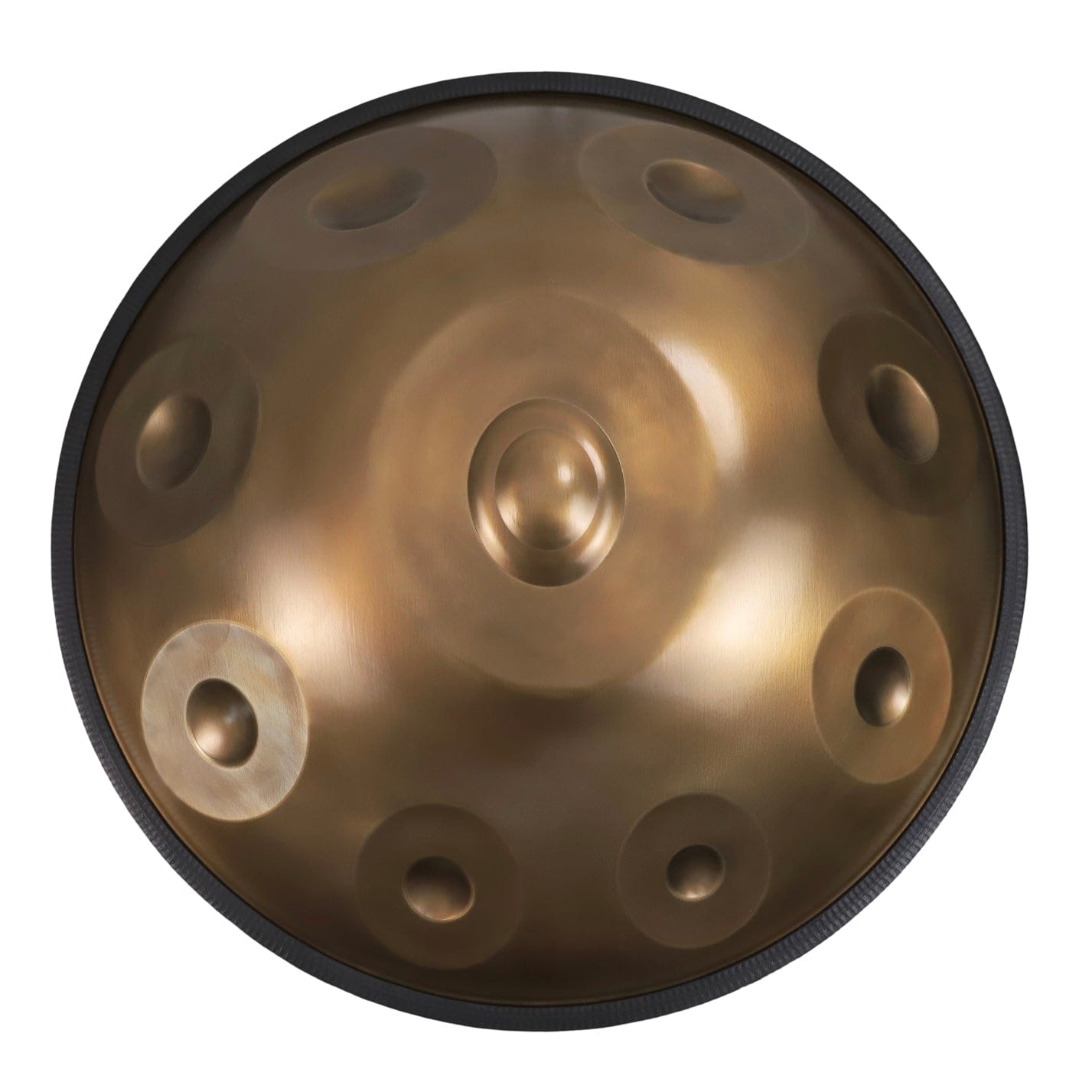
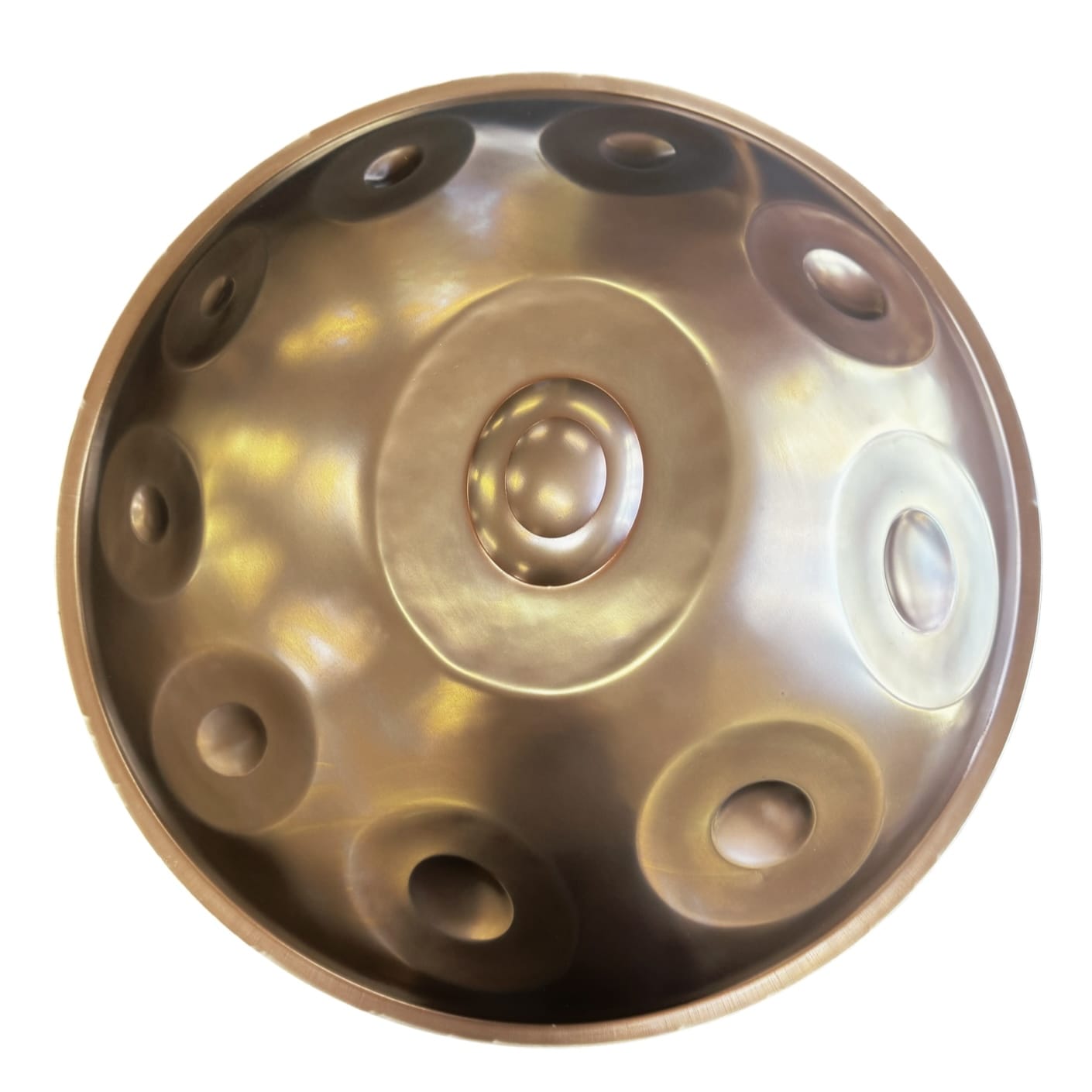
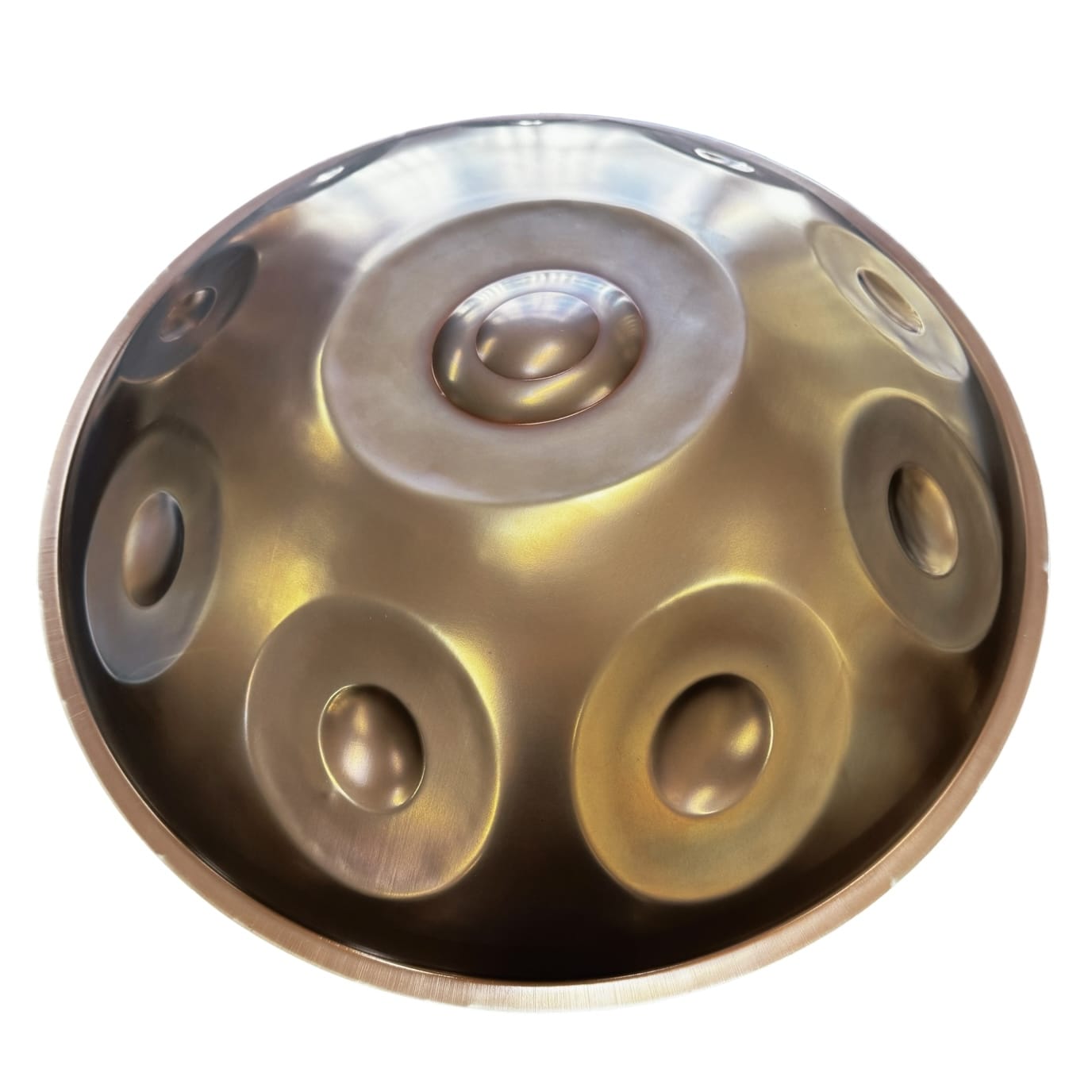
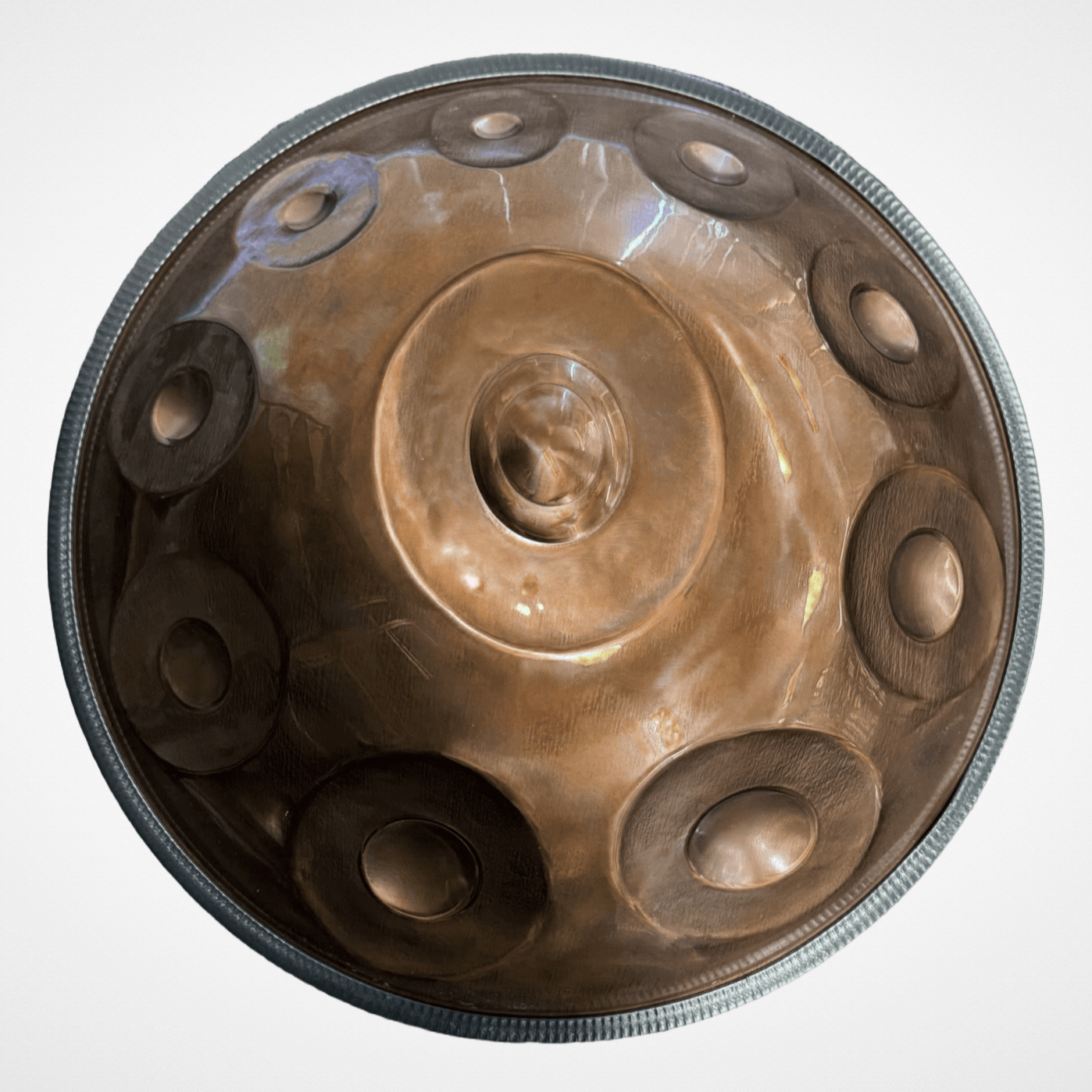
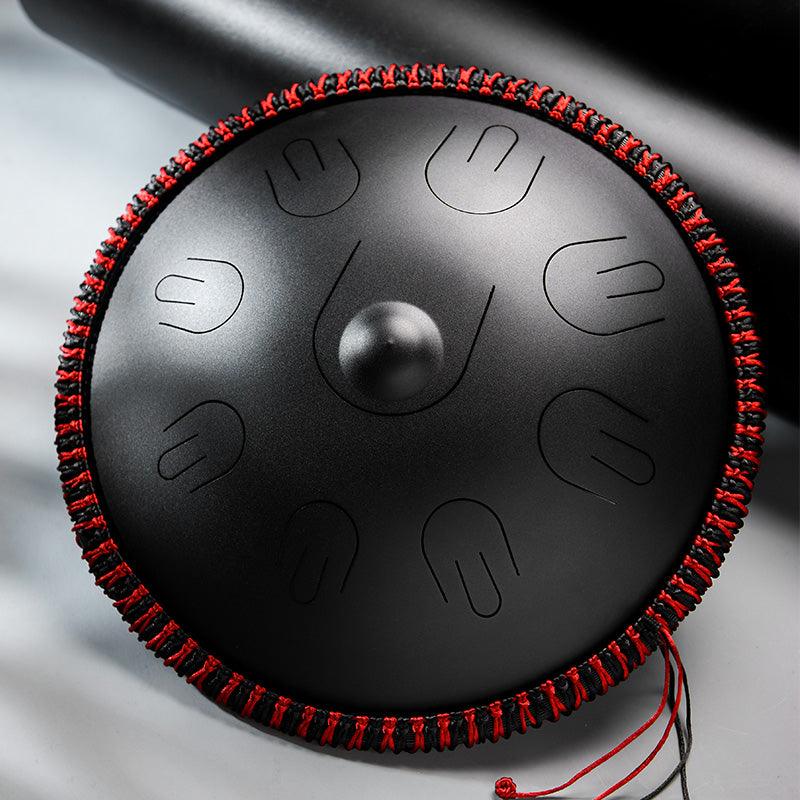
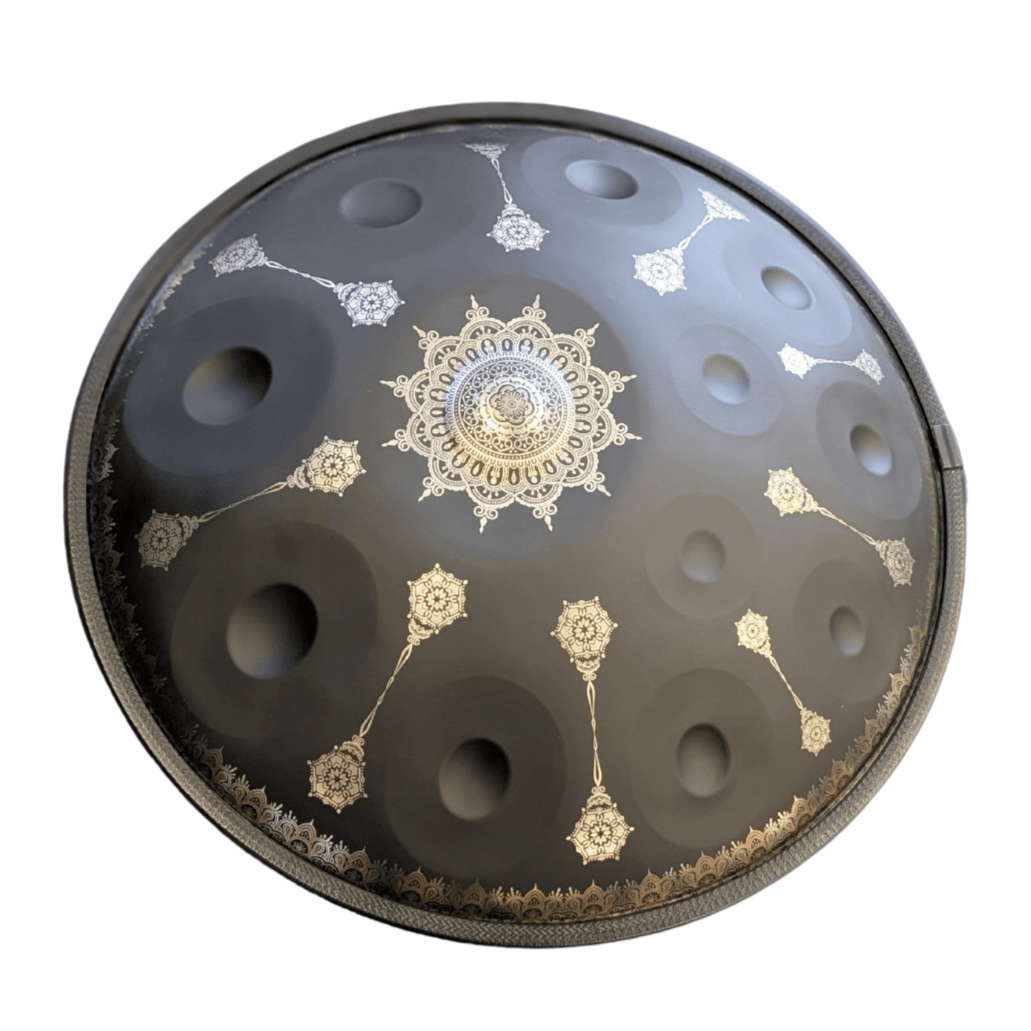
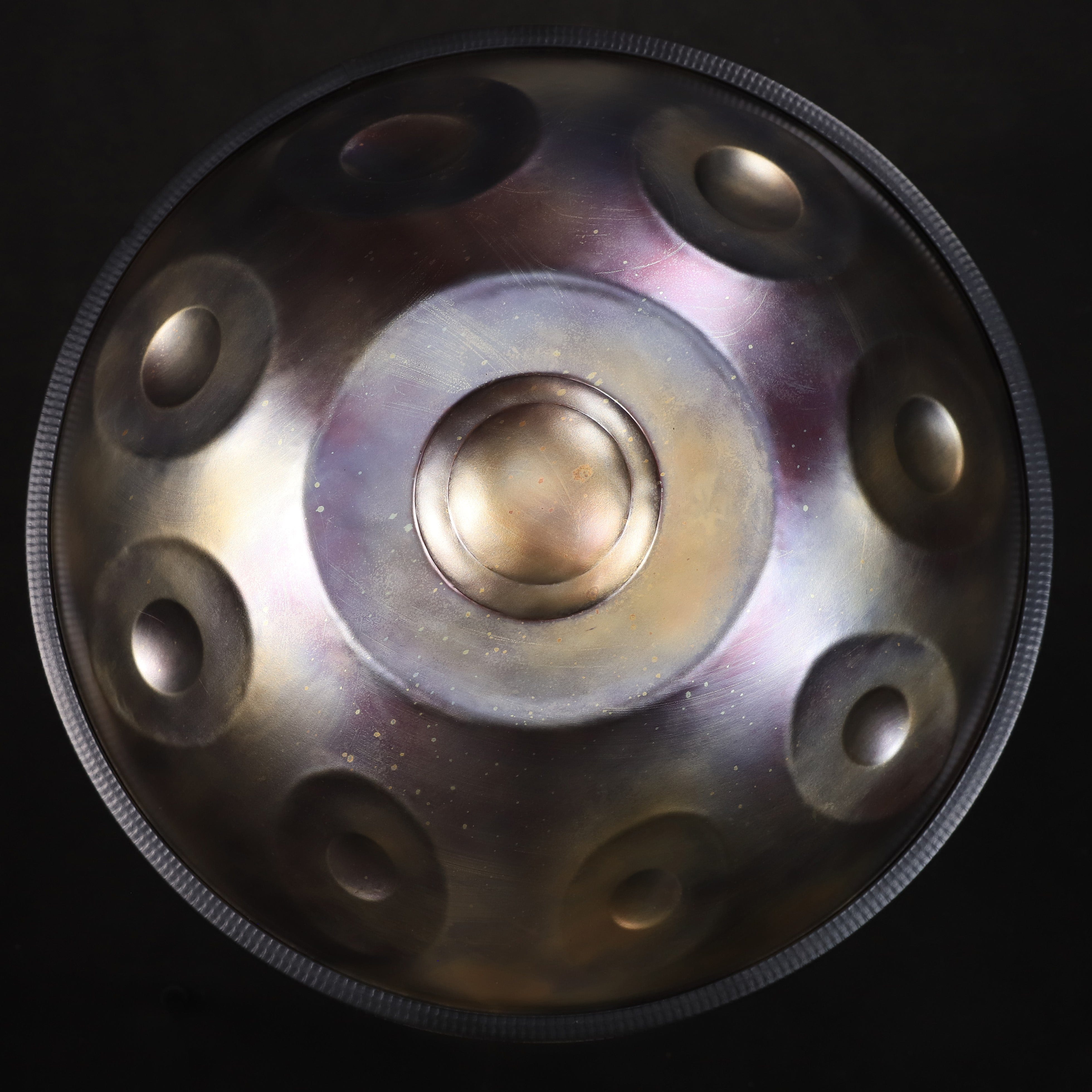
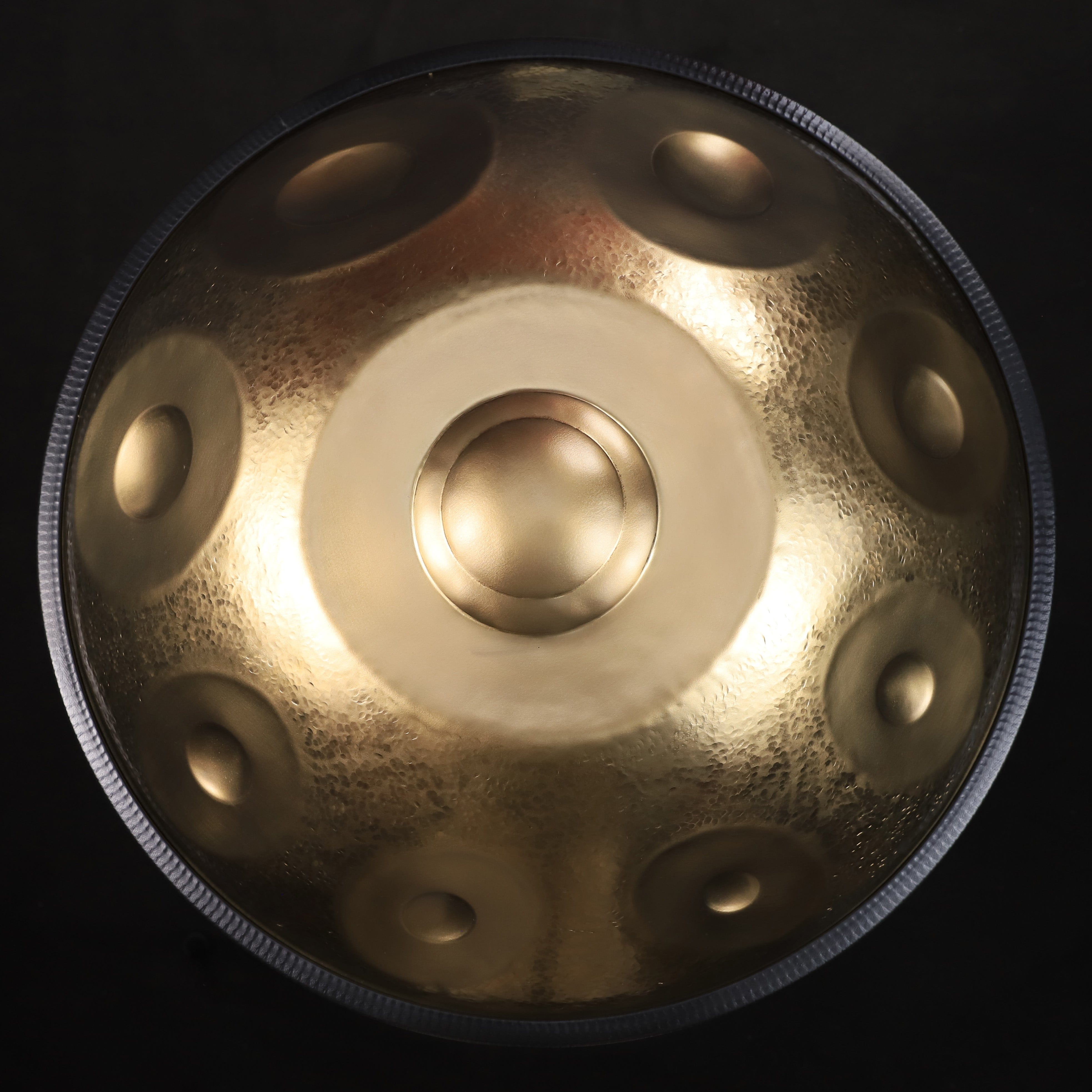
The central tone field on the top shell is known as the ding. Acting as the bass root note and anchor, the ding produces a deep fundamental pitch that sets the tonal foundation for the entire instrument.
Surrounding the ding is the tone circle, arranged in a zigzag pattern from lowest pitch to highest pitch across the steel dome. When struck gently with the thumb or finger pads, each tone field activates three distinct frequencies: the fundamental note, an isolated octave overtone, and a compound fifth overtone. This intricate acoustic physics gives high-grade steel its signature bell-like ring.
Choosing Your First Scale, Tuning Standard, and Note Count
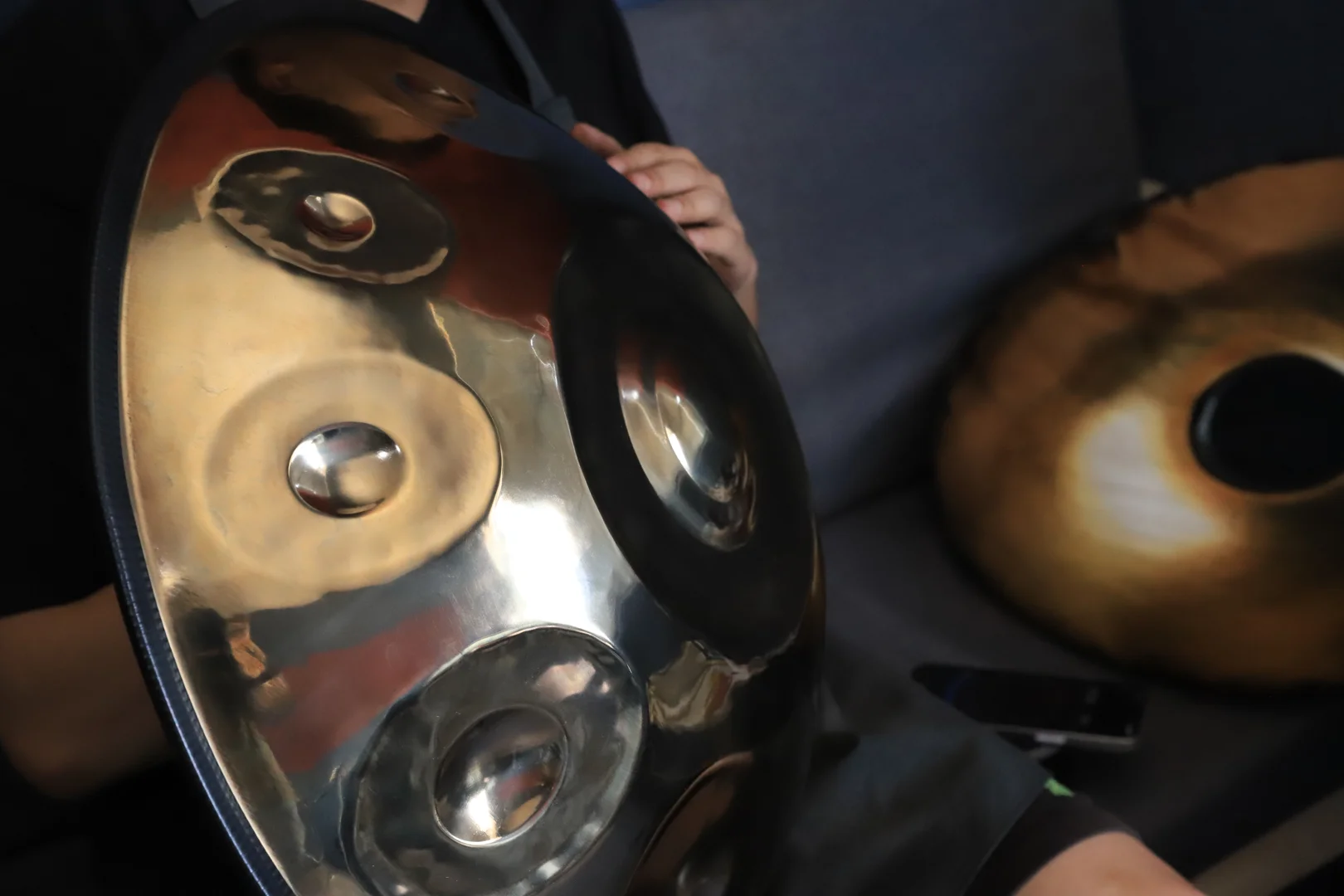
Finding your ideal instrument requires balancing musical versatility with physical playability. Before settling on a specific model, it helps to understand how to tell if a handpan is good quality by listening for overtone balance, sustain length, and clear note isolation.
Evaluating 440 Hz vs 432 Hz Tuning Standards
When ordering your instrument, you will likely encounter options for both 440 Hz and 432 Hz reference tunings.
Standard concert pitch is calibrated to 440 Hz. Choosing this tuning ensures that your handpan will be completely harmonious with standard acoustic instruments, classroom settings, online video lessons, and fellow musicians during jam sessions.
Some sound meditation practitioners believe that 432 Hz offers a softer or more grounded harmonic resonance for solo relaxation. However, a 432 Hz handpan cannot play in tune alongside standard 440 Hz instruments. If you plan to learn via online tutorials or play with other musicians, a 440 Hz instrument is the practical choice.
Selecting the Right Note Count for Beginners
Handpan makers describe note layouts using an "X + 1" notation, where the first number represents the circular tone fields on the upper ring and the "+ 1" represents the central ding.
- 7 + 1 layouts: A compact 8-note instrument offering wide spacing between tone fields, making it easy to hit notes accurately.
- 8 + 1 layouts: The gold standard for new players, providing nine distinct notes that unlock dozens of chords without crowding the steel surface.
- 9 + 1 layouts: A ten-note configuration that offers expanded melodic range while maintaining excellent tonal resonance.
For deeper insights on choosing your first shell, our handpan buying guide for first time buyers walks through steel treatments, chamber volumes, and ergonomic shapes.
Practical Steps to Audition and Choose Your Scale
- Use high-quality headphones: Always listen to sound recordings through decent headphones rather than built-in phone speakers to hear the deep bass response of the ding and the delicate high overtones.
- Track your emotional response: Spend time listening to continuous audio demonstrations. Take note of whether a particular scale makes you feel peaceful, energised, or contemplative.
- Attend a live audition: Whenever possible, hear instruments in person. You can use our handpan near me guide 2026 to find local gatherings, workshops, and community spaces across Australia where you can experience the acoustics firsthand.
Practical Solutions and Reassurance
Choosing a musical instrument should be an inspiring and uplifting experience, free from technical overwhelm. At Melodic Forest, we support your learning journey every step of the way:
- Explore our hand-tested instruments across popular tunings when you Shop All Instruments.
- Speak with our team via Contact Us to ask questions, request custom audio samples, or arrange a visit to our Sydney showroom.
- Access our Buying Guide & Product Care hub for comprehensive instrument care advice and scale breakdowns.
- Connect with experienced mentors through our Find a Teacher resources to accelerate your playing technique and rhythmic confidence.
Frequently Asked Questions
What does the term scale mean on a handpan?
A scale on a handpan refers to the pre-tuned, fixed set of notes built directly into the steel surface. Unlike a piano, which contains chromatic notes that allow you to play in any key, a handpan is locked into a single musical mode, such as D minor or F major. Every note on the instrument is voiced to harmonise with the central bass note, ensuring you can play freely without hitting discordant tones.
Why is D Kurd considered the best scale for beginners?
D Kurd is widely recommended for beginners because it contains a complete eight-note natural minor scale that offers exceptional musical balance. The intervals between the notes avoid sharp dissonances, allowing new players to experiment with rhythm and melody without worrying about complex music theory. It is also the most common tuning used in beginner tutorials and community gatherings.
Can I retune my handpan to a different scale later?
You cannot retune a handpan to an entirely different scale once it has been hammered into shape. The physical size, depth, and chamber geometry of each tone field are permanently shaped to vibrate at specific frequencies. A skilled maker can adjust notes that have drifted slightly out of pitch, but altering the scale from minor to major is impossible without damaging the steel membrane.
How does the Amara scale differ from the Kurd scale?
While both scales share a minor tonal centre, Amara omits specific transitional notes found in the complete natural minor scale. This omission gives Amara a smooth, hexatonic structure that feels open, airy, and forgiving. Kurd includes more notes, which provides greater melodic flexibility for complex compositions but requires slightly more mindful navigation while improvising.
Is an 8-note handpan better than a 10-note handpan for learning?
An eight-note or nine-note handpan is generally ideal for beginners because it provides adequate physical spacing between tone fields on the steel shell. Adding more tone fields into a standard diameter can increase the risk of acoustic bleed, where striking one note causes an adjacent field to ring accidentally. Starting with a standard layout ensures rich tone isolation and clean sound production.




Leave a comment
This site is protected by hCaptcha and the hCaptcha Privacy Policy and Terms of Service apply.