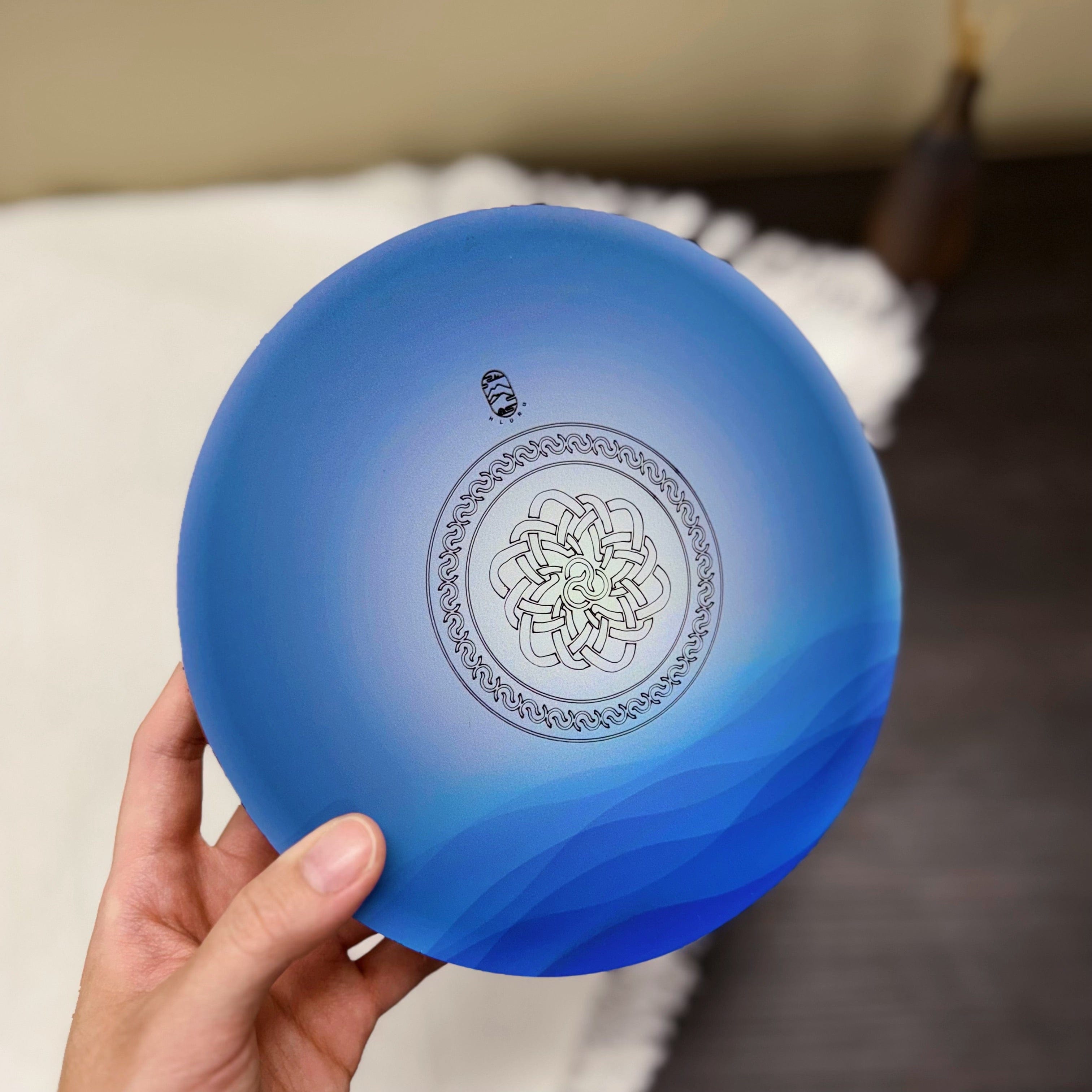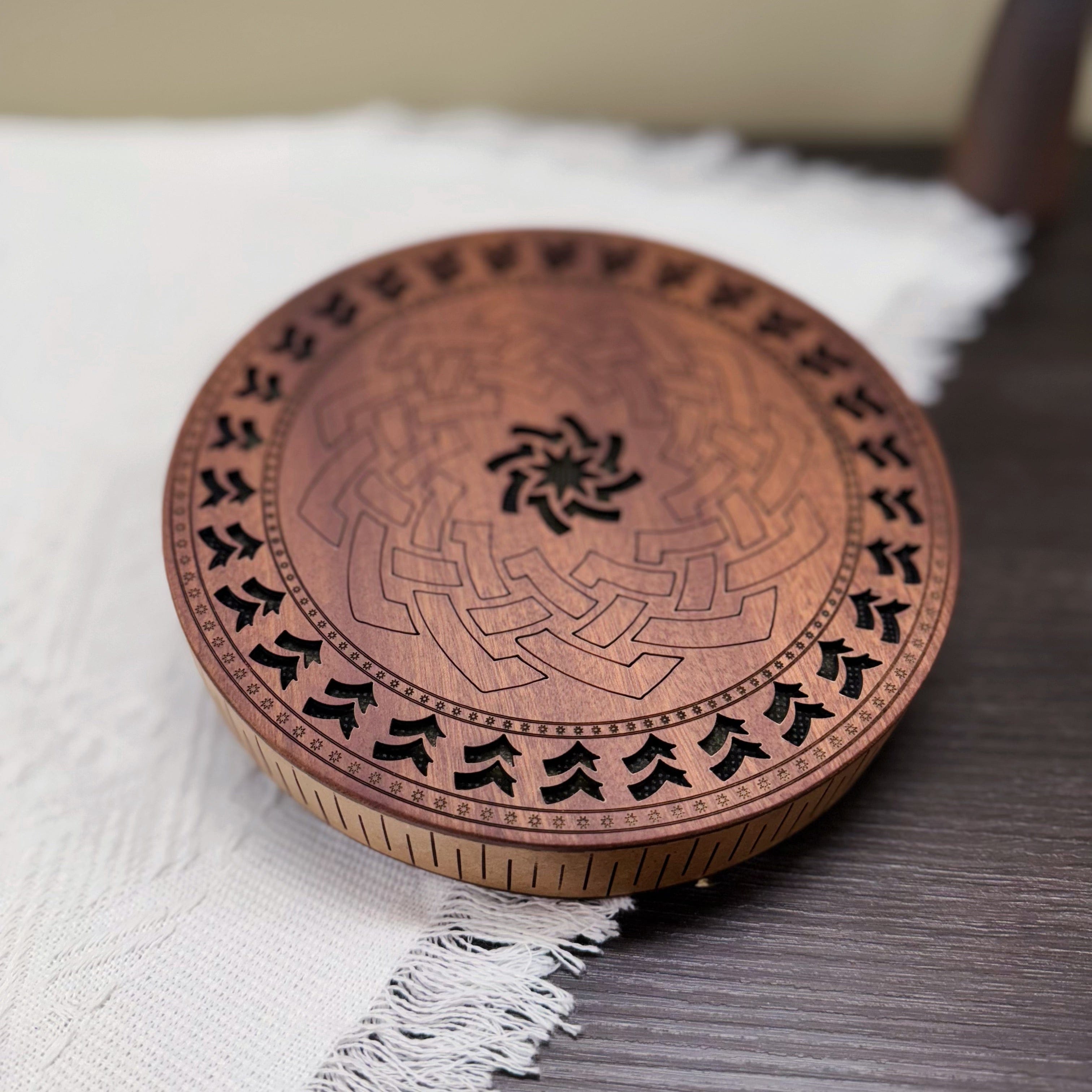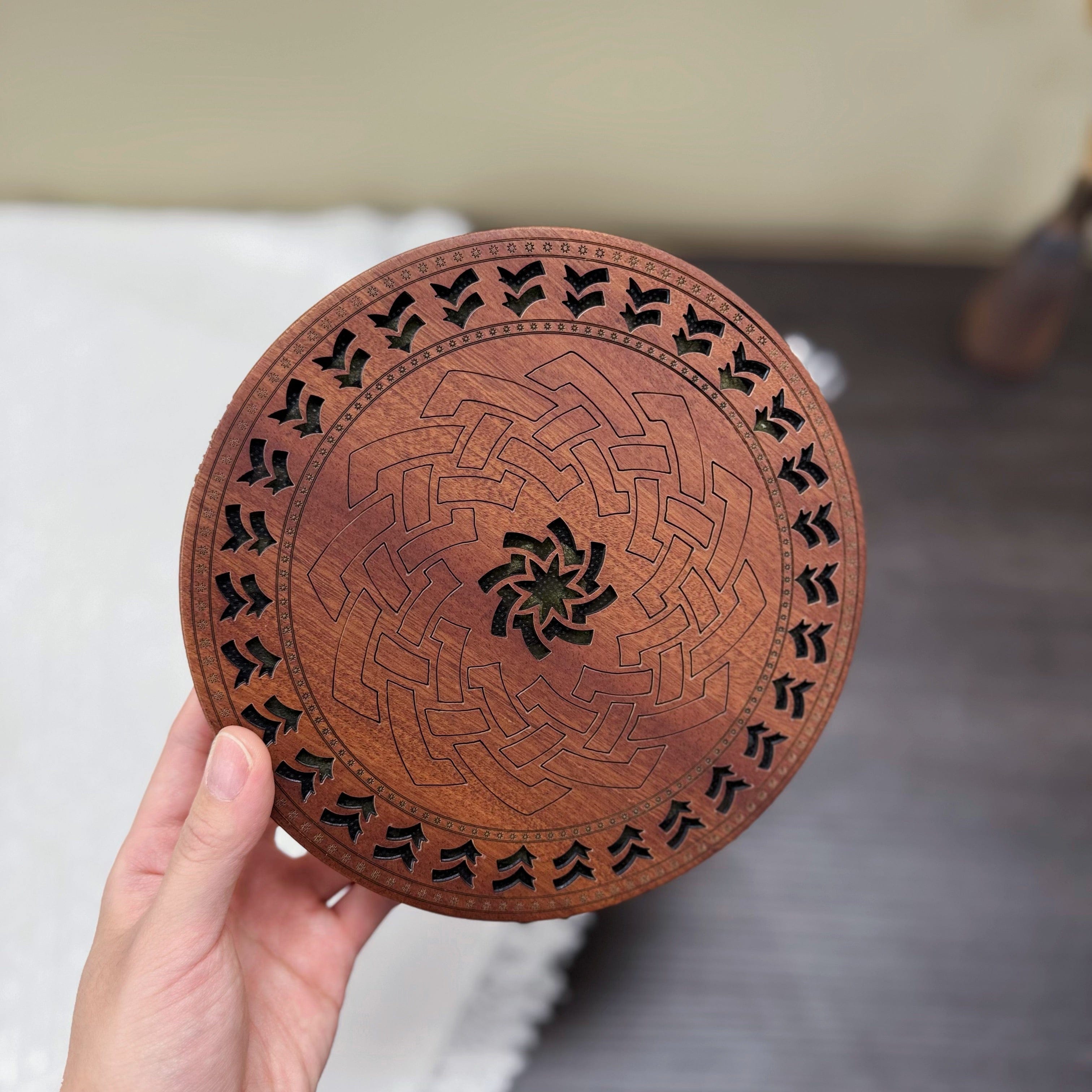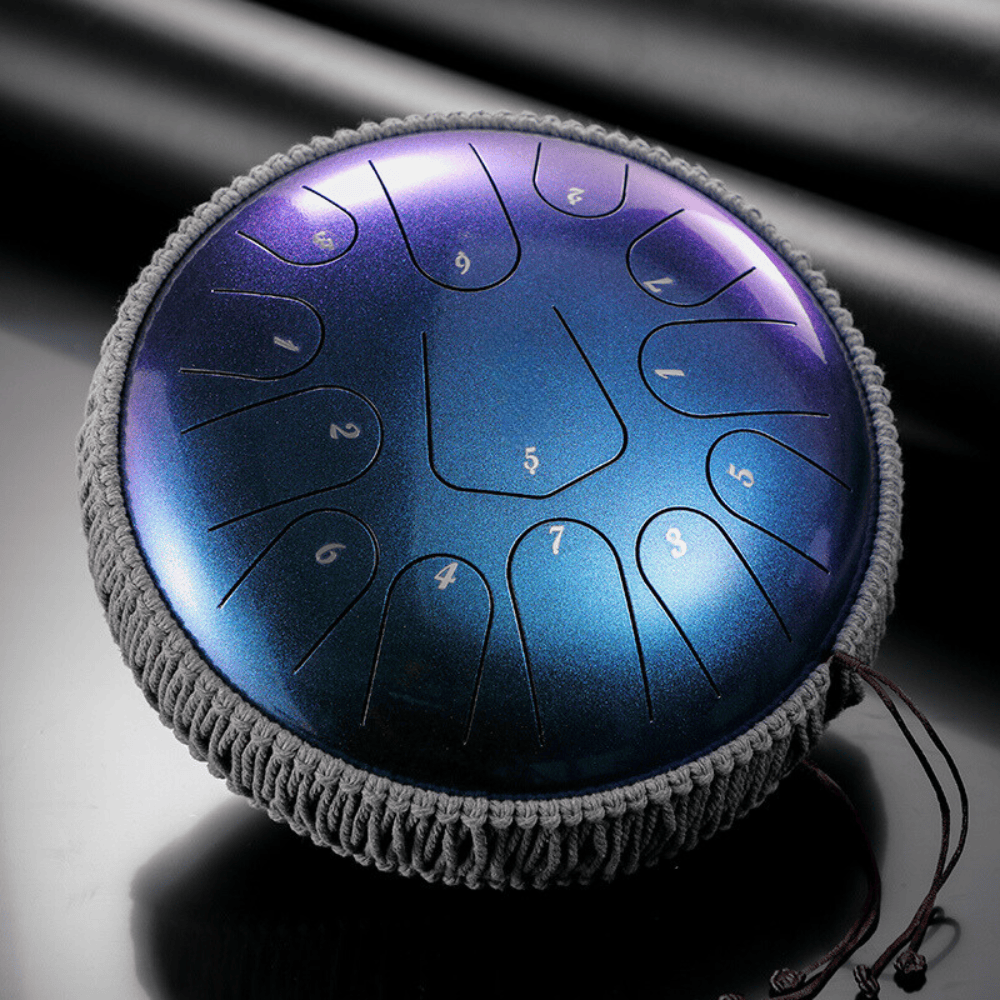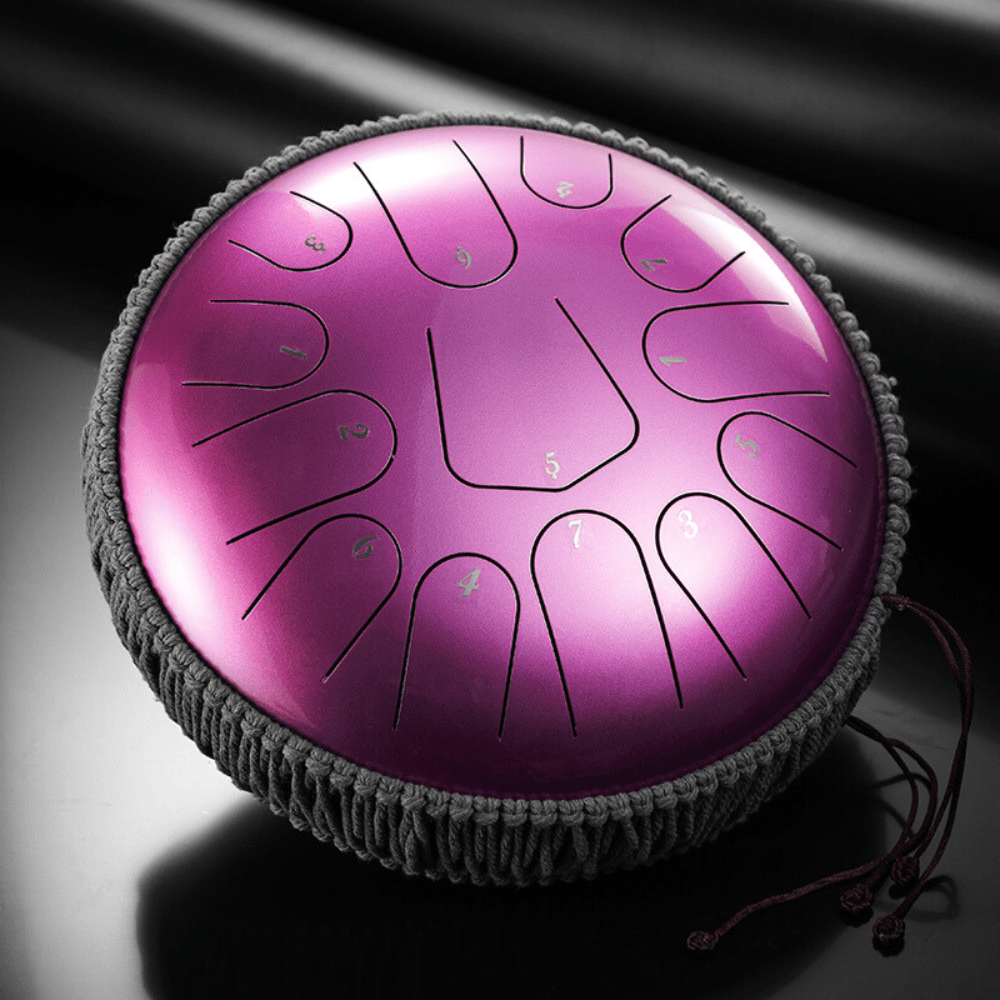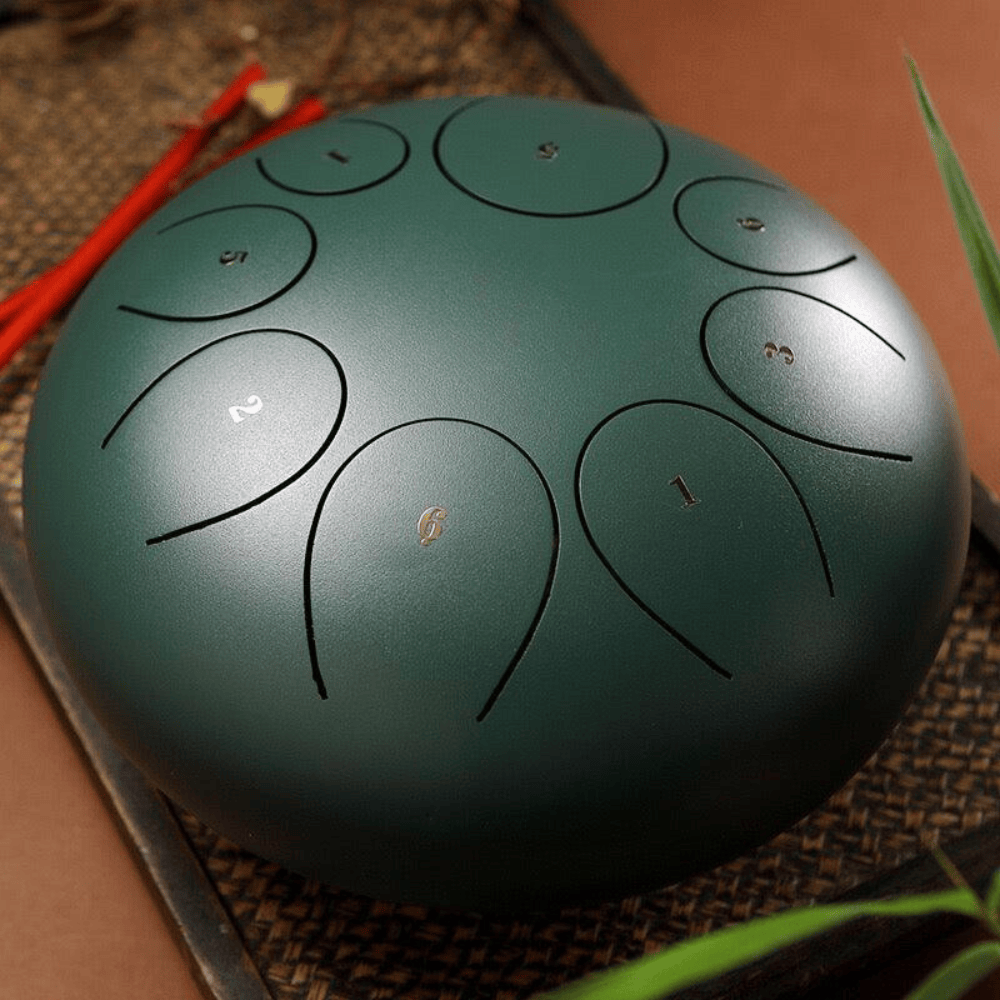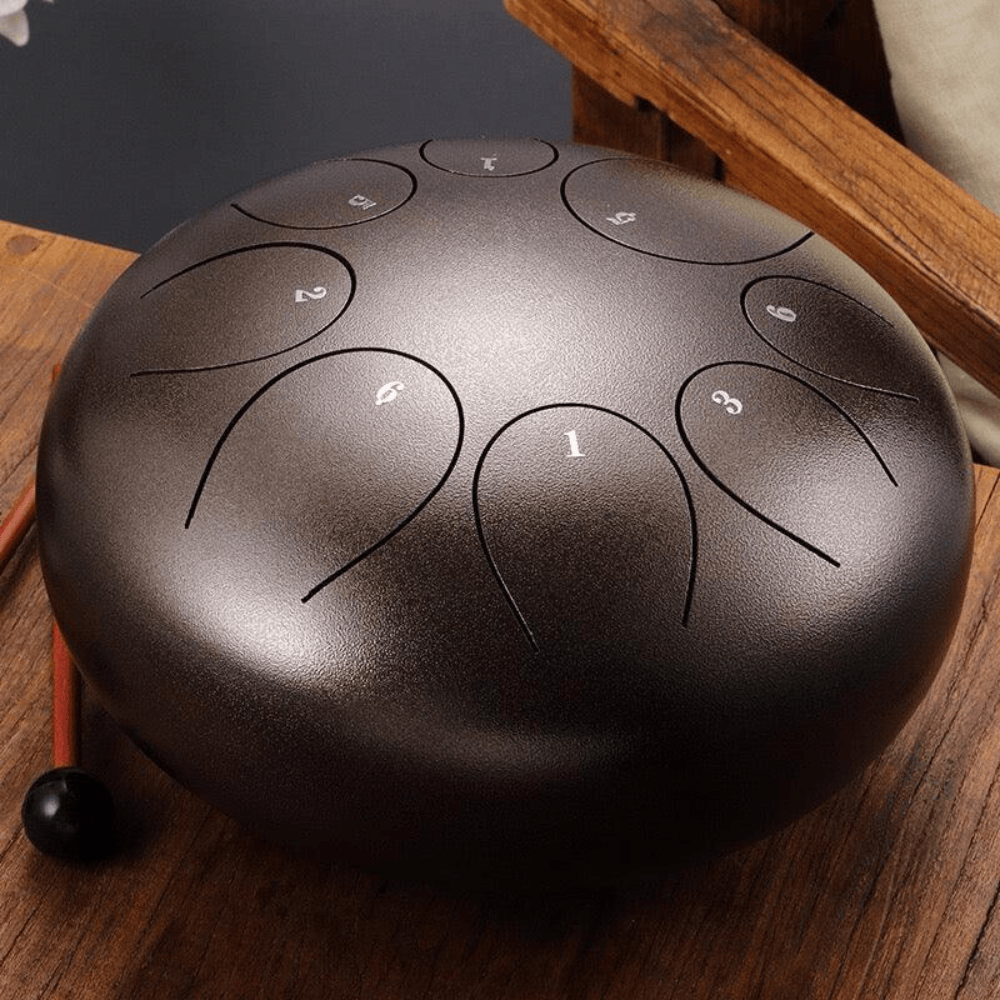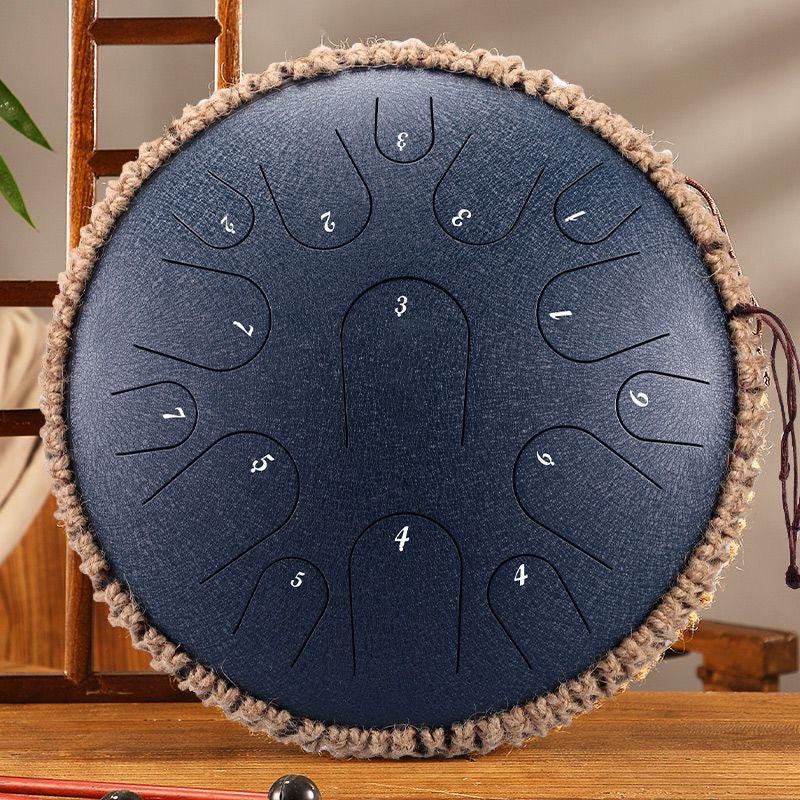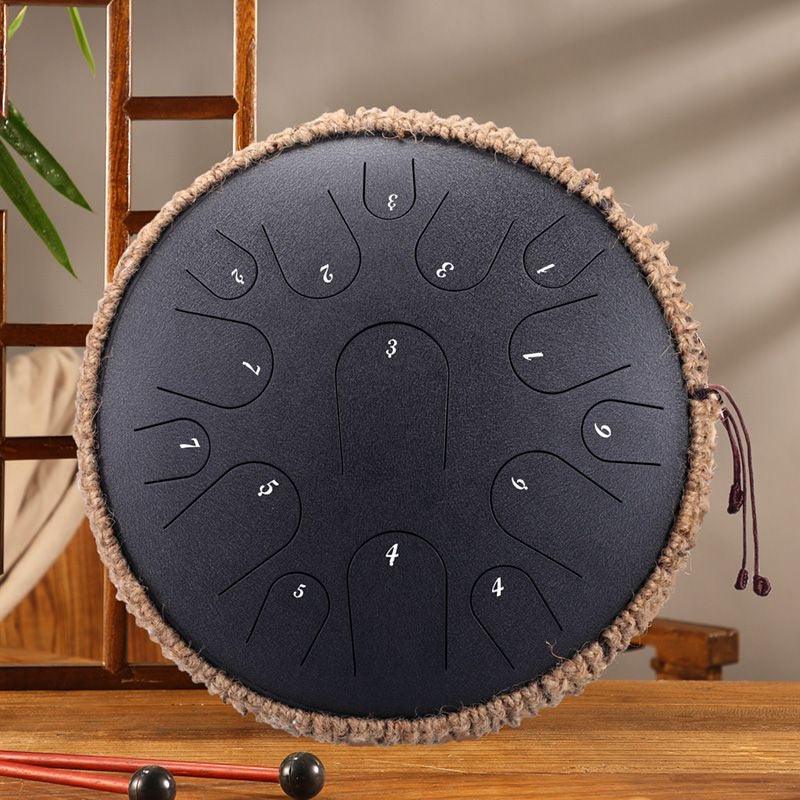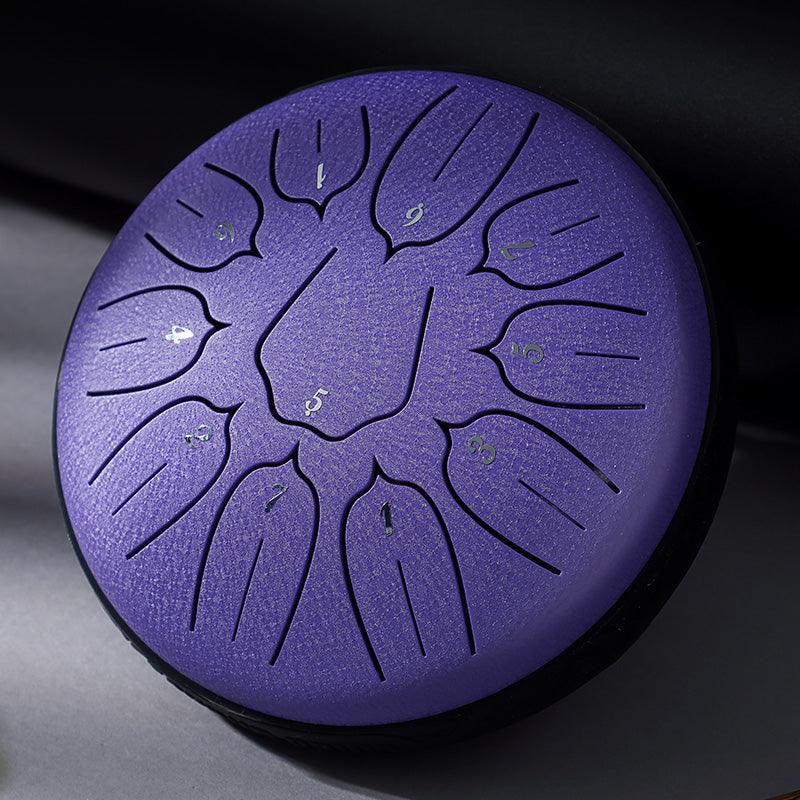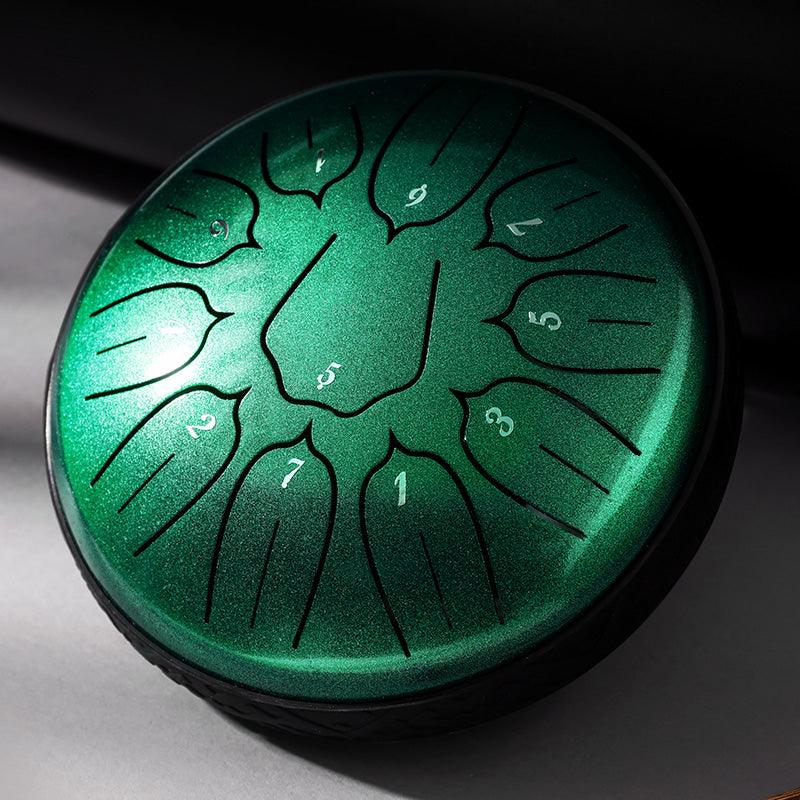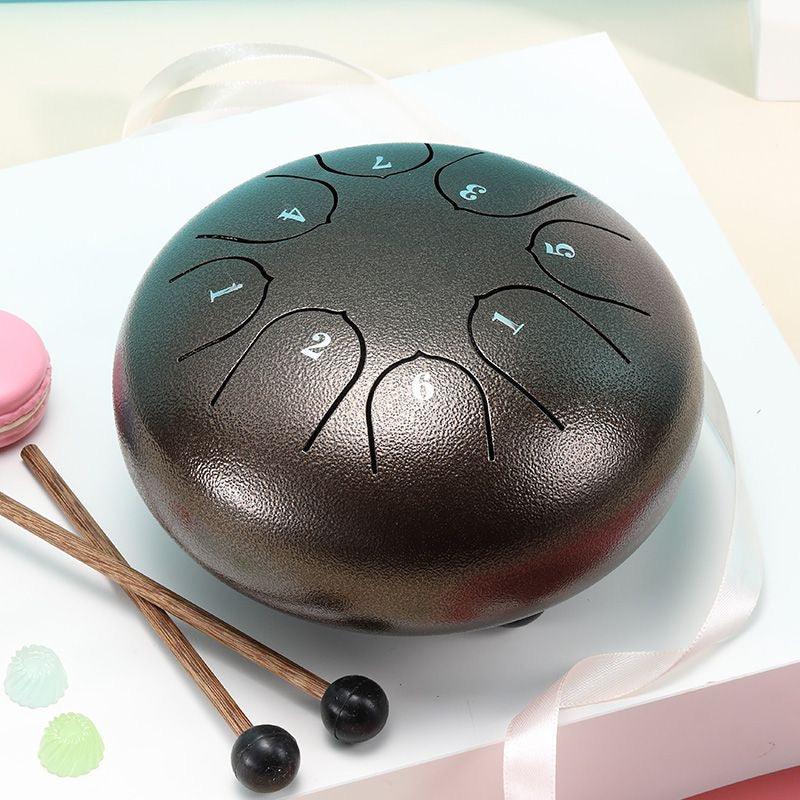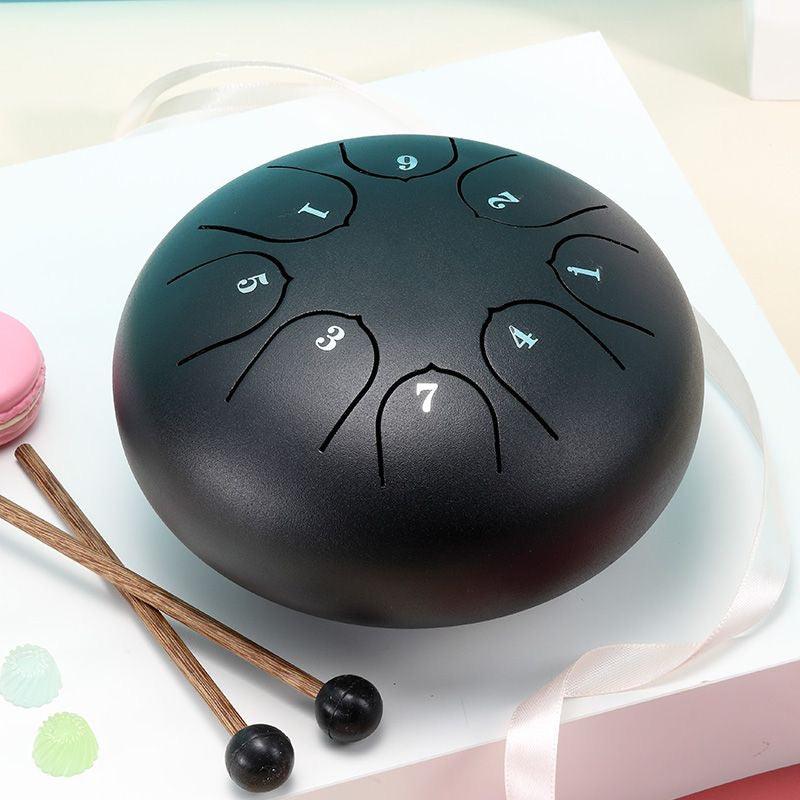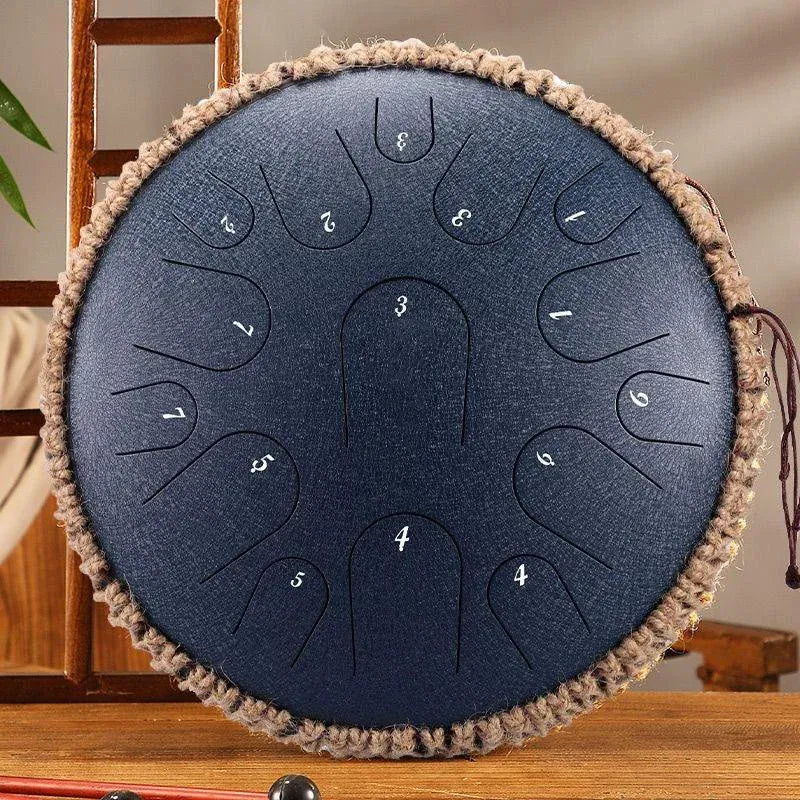
If you have purchased a HLURU instrument and noticed there is no HLURU logo on it, it is reasonable to wonder whether it is genuine.
The short answer is: mostly, yes — but the logo itself is not the best way to tell.
There are counterfeit HLURU products on the market, so where you buy from, who the seller is, whether they have a genuine relationship with HLURU, and who is responsible for warranty and after-sales support are far more useful indicators than simply looking for a logo or sticker.
The confusing part is that HLURU’s overseas-market products have intentionally been supplied without prominent branding for many years, while mainland-China versions usually do carry HLURU branding, domestic anti-counterfeit labels and Chinese instructions. That is why one website may tell you a HLURU should have a logo, while another shows a completely unbranded instrument.
Here is why.
HLURU is a manufacturer first
HLURU is primarily a musical-instrument manufacturer. They focus on product development, research and production, and they also manufacture and private-label instruments for many overseas brands.
For their international business, this model makes a lot of sense. Overseas distributors can build their own brands, do their own marketing and set pricing for their local market, while HLURU focuses on making the instruments. This also makes it easier for more international businesses to work with HLURU as an OEM or private-label manufacturer.
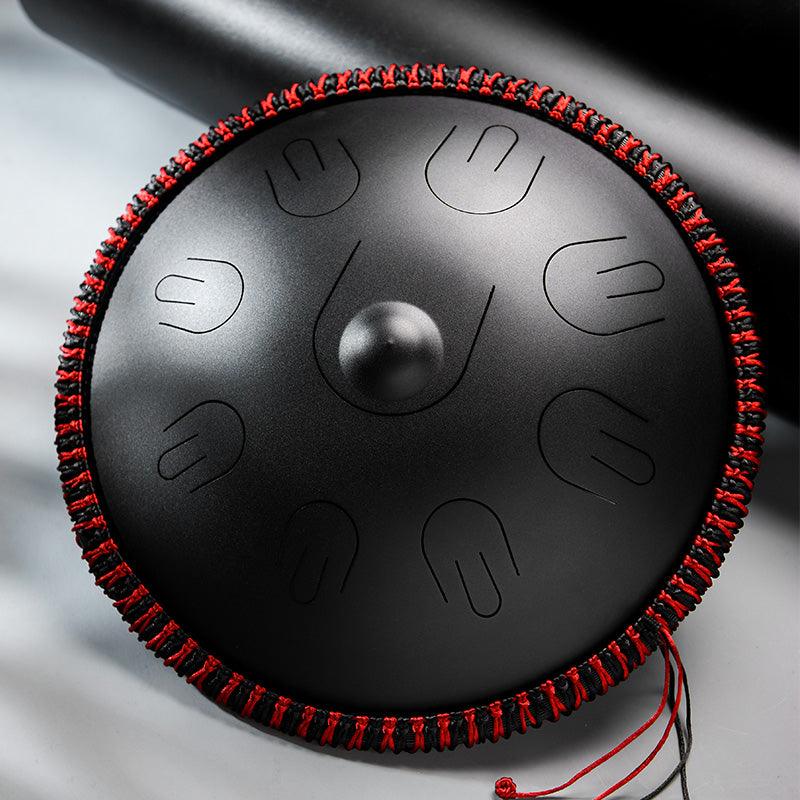
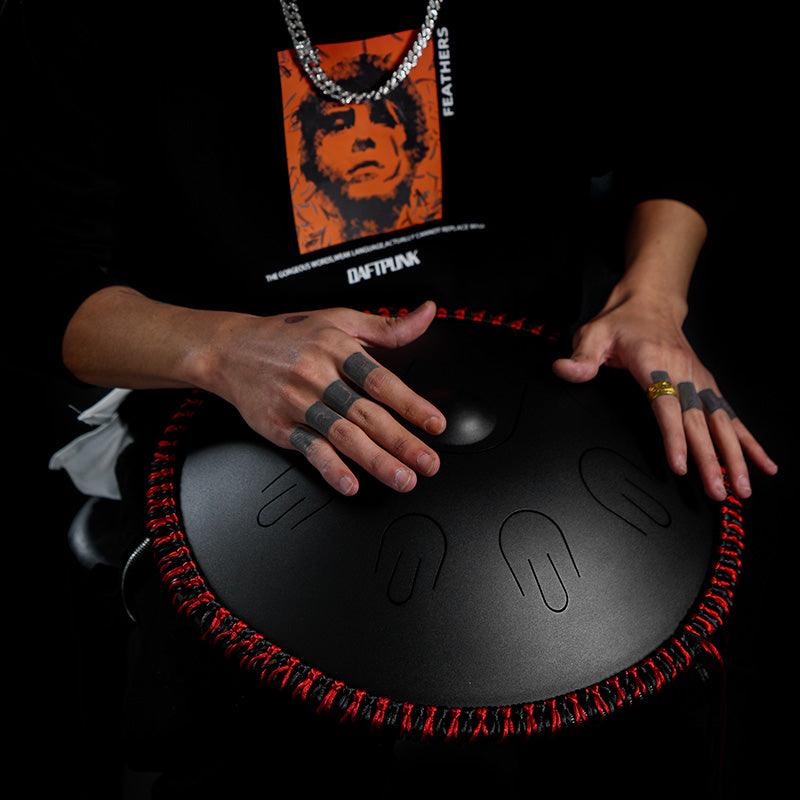
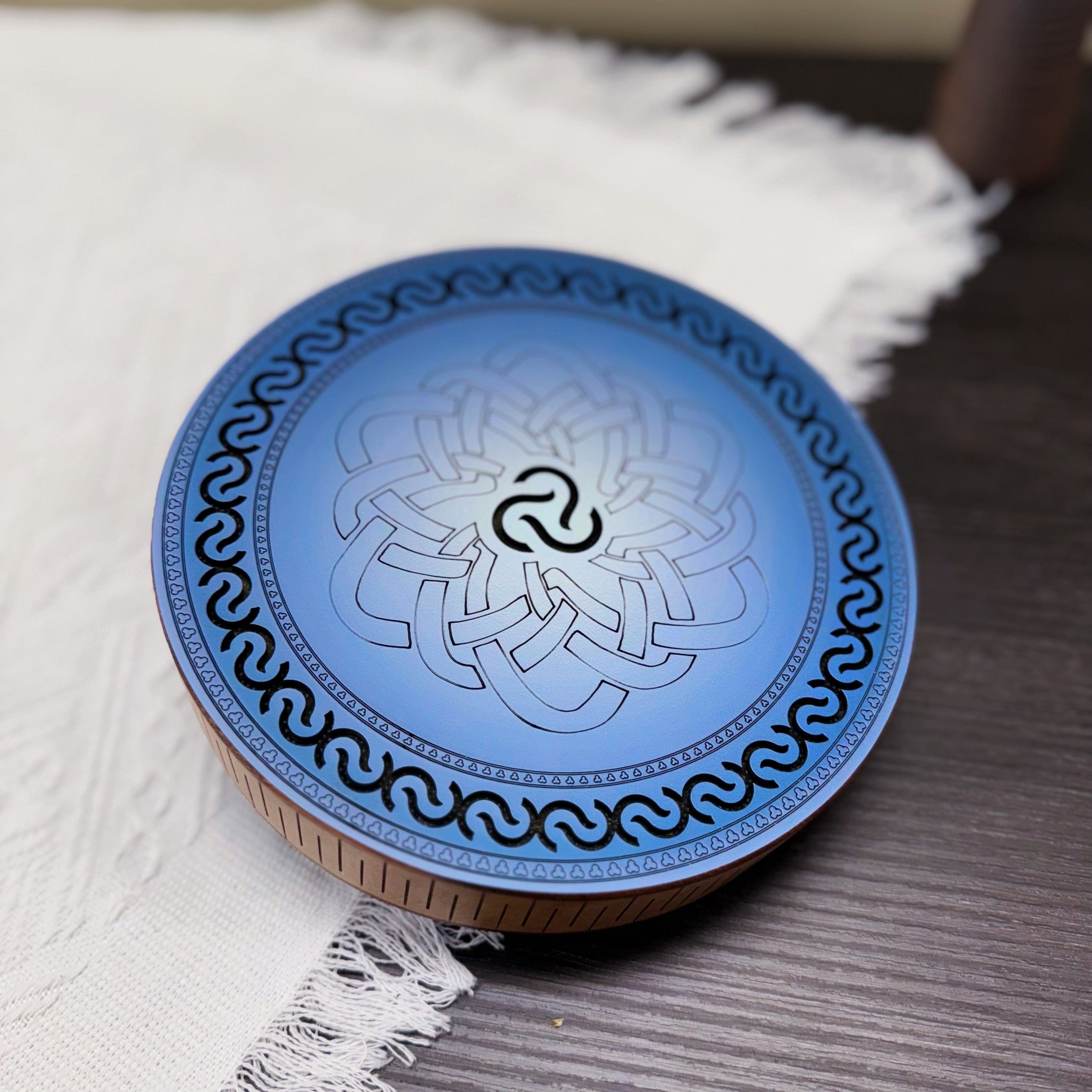
For that reason, HLURU began removing visible branding from many of its overseas-market products years ago. The overseas product itself is still made by HLURU — it is simply supplied without the prominent domestic branding.
You may occasionally still find a small HLURU mark on an older mallet tip, accessory or instruction booklet. These have gradually changed over the years as the overseas packaging has been updated.
Why do China-market HLURU instruments still have a logo?
HLURU’s mainland-China business is different because they also sell directly into their domestic retail market.
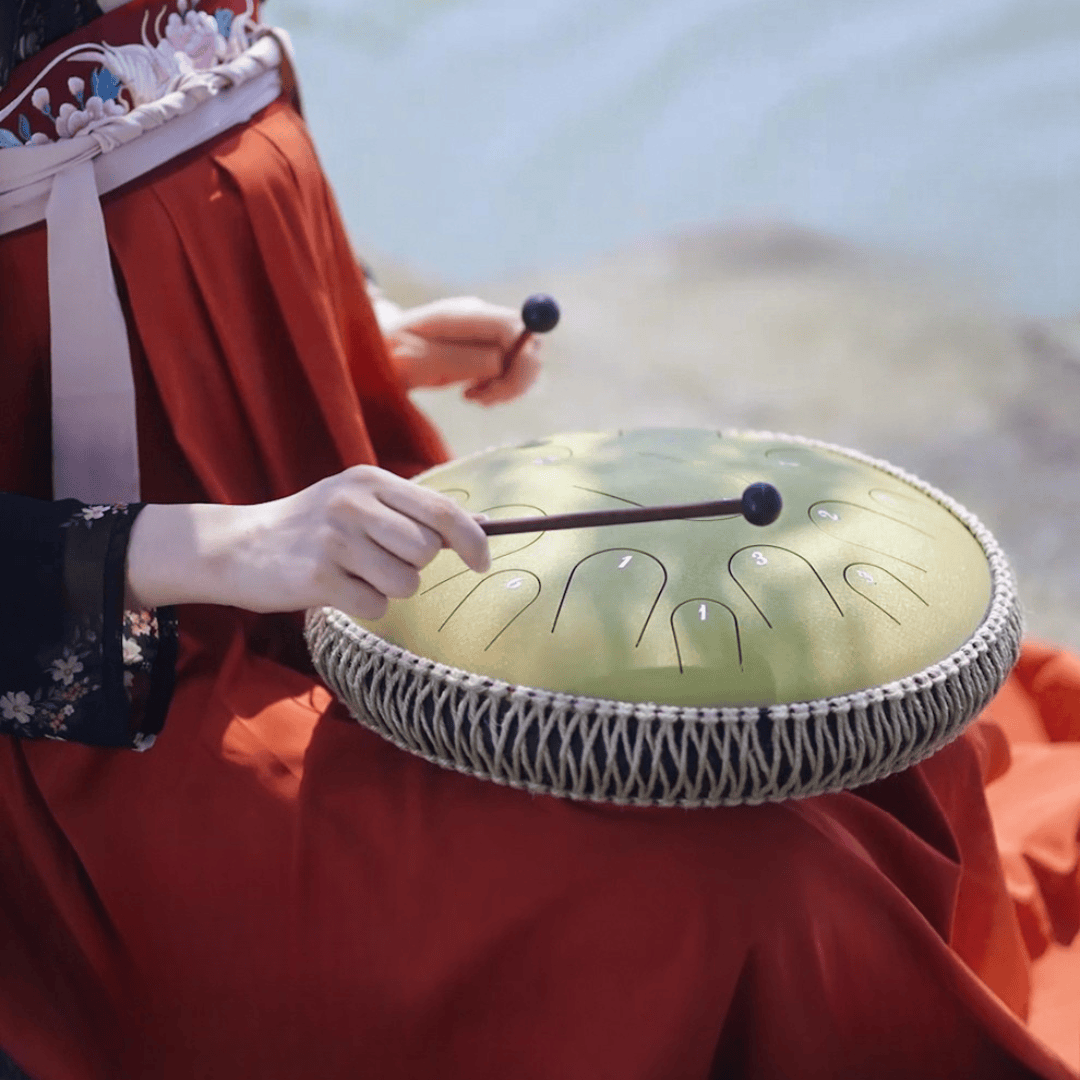
China-market products therefore usually come with the full domestic retail presentation: HLURU branding, Chinese labels or anti-counterfeit markings, and Chinese-language instruction manuals. On some instruments, the HLURU branding is placed prominently in the centre.
The important part is that the instrument itself is not a different or “more genuine” instrument. Genuine China-market and overseas-market versions are both made by HLURU. The main differences are the branding, packaging and instructions for the market they are intended for.
We actually sold the mainland-China version ourselves for a period of time. A lot of our customers did not like the large centre sticker because they felt it interrupted the clean, minimal and elegant design of the instrument. More importantly, Chinese-only instructions caused a lot of confusion for Australian customers.
After receiving that feedback, we moved completely to the overseas version. It gives customers the same HLURU-made instrument, but with English-language information and a cleaner presentation that is much better suited to overseas users.
Why do so many websites show the China-market version?
This is where a lot of the online confusion comes from.
Many websites selling HLURU internationally are independent resellers or dropshippers. Instead of holding stock in the country where they are selling, they source mainland-China retail stock and ship it directly from China after the customer orders.
Naturally, those sellers are showing the China-market version — including the logo, Chinese retail labels and domestic anti-counterfeit markings.
At the same time, these businesses are often very focused on retail marketing. They may spend heavily on SEO, Google advertising and paid traffic, so an independent reseller can sometimes look more polished or even rank above HLURU’s own international website in search results.
HLURU itself does not need to operate like a large international retail brand. Its core business is manufacturing, OEM work and supplying distributors, and they already have significant production demand. As a result, their own international website can look much simpler and receive less retail marketing attention than some independent sellers.
So a website ranking highly on Google, using HLURU branding throughout, or even presenting itself as the “official” HLURU website does not necessarily mean it is operated by HLURU itself. In many cases, that is simply part of the dropshipper/reseller’s marketing and positioning.
Does a logo or anti-counterfeit label prove it is genuine?
No. It can help identify which market version you are looking at, but it does not tell you everything you need to know about the seller.
There are genuine China-market products, genuine unbranded overseas-market products, and unfortunately counterfeit products as well. A logo alone cannot separate all three.
Likewise, a certificate image on a website should not be the only thing you rely on. Images and documents can be copied. It is much more useful to check:
- whether the seller has a real relationship with HLURU;
- whether they are listed or recognised through HLURU’s dealer/distributor network;
- whether they hold local stock or simply dropship from China;
- who is responsible for warranty and after-sales support; and
- whether there is a real business you can contact if something goes wrong.
Those things tell you much more than a sticker in the middle of the instrument.
Our relationship with HLURU
Melodic Forest has worked directly with HLURU for many years. We are an authorised HLURU distributor, and we are listed through HLURU’s official dealer/distributor network.
We also hold distributor authorisation documentation supplied by HLURU.

We include these as supporting evidence of our relationship with HLURU, but we still think the seller’s actual track record, support and responsibility after the sale matter more than a certificate image on its own.
Our HLURU stock is ordered specifically for the overseas market rather than simply purchased from Chinese domestic retail channels.
So should I look for a HLURU logo?
Not necessarily.
For overseas customers, there is usually no need to deliberately chase a mainland-China version just because it has a logo or domestic anti-counterfeit sticker. If the instrument is genuine, both versions are made by HLURU; the overseas version is simply prepared for international customers, with English information and a cleaner presentation.
If a HLURU instrument made for the overseas market arrives without a visible logo, that alone is not a red flag.
The better question is: where did it come from, who are you buying it from, and who is standing behind the product after you buy it?