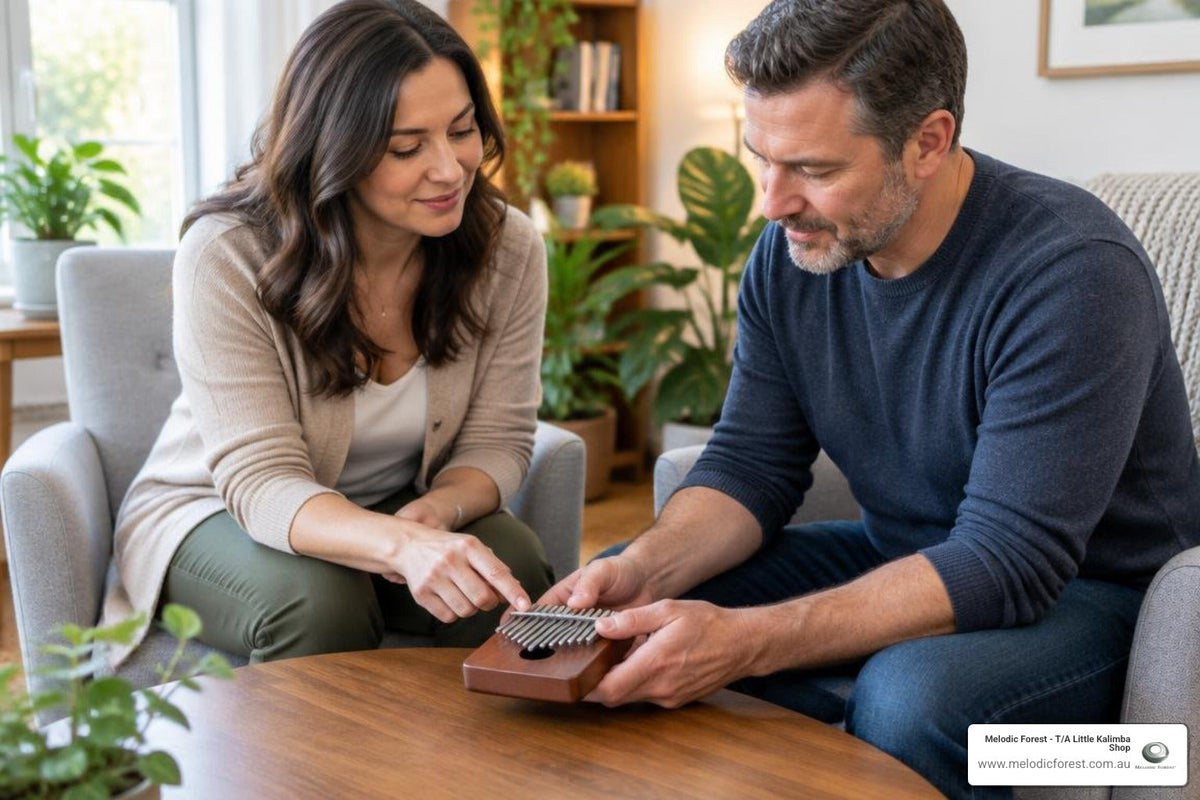
Instruments Commonly Used in Music Therapy Practice for Meaningful, Accessible Sessions
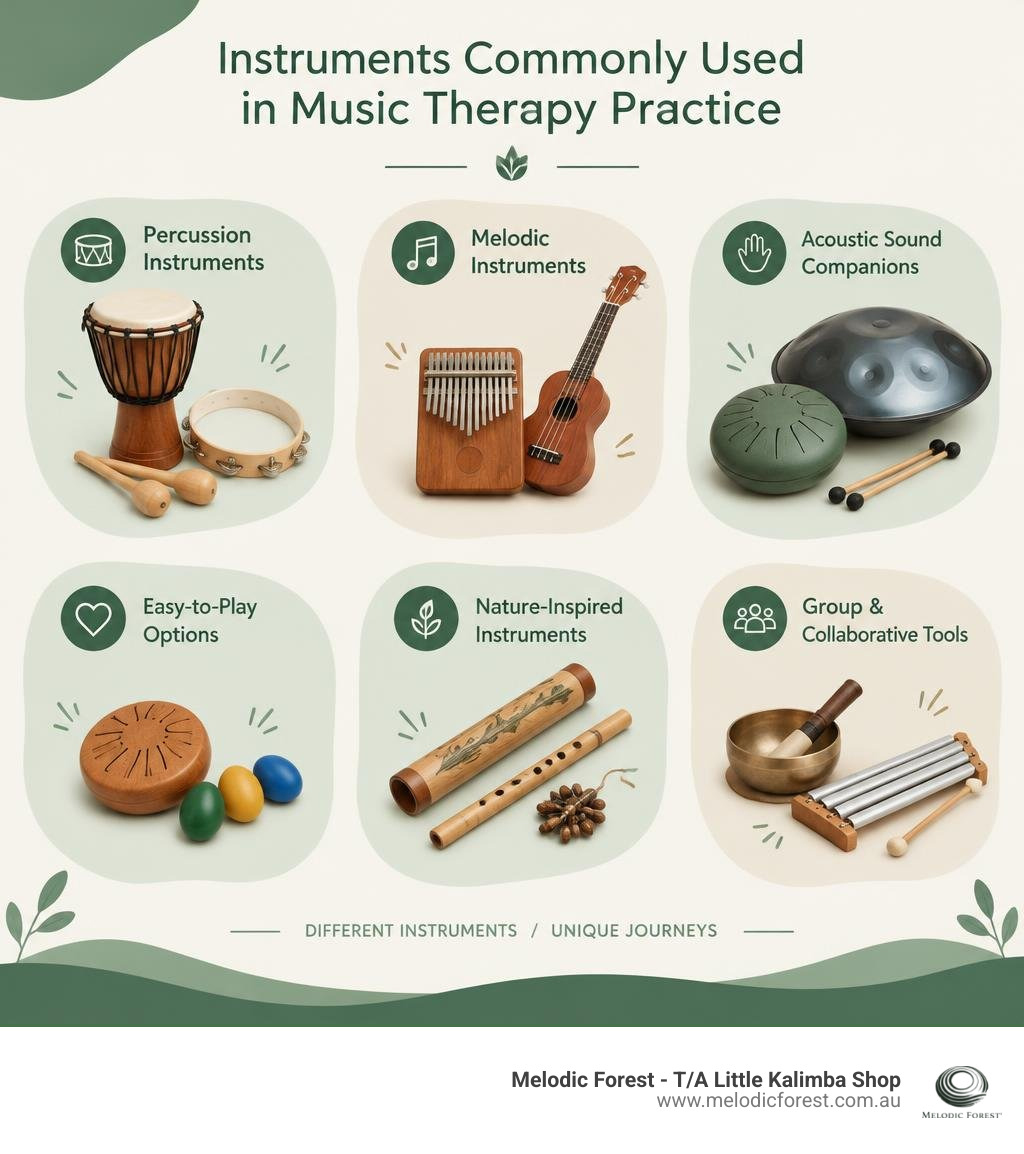
Instruments commonly used in music therapy practice include melodic idiophones such as handpans and steel tongue drums, plucked lamellophones such as kalimbas, acoustic string instruments such as lyre harps, and resonant metal singing bowls. Finding the right musical companion can often feel overwhelming when faced with rushed decisions in noisy retail environments or uncertain online marketplaces where sound quality remains unpredictable. At Melodic Forest, we offer a thoughtful alternative by providing carefully curated, individually tested instruments backed by warm guidance to help you find a piece that truly resonates. Exploring sound should be a calm, creative journey rather than a stressful transaction.
Key Takeaways
- A diverse range of tools, including melodic idiophones, plucked instruments, and acoustic sound companions, can be selected to suit individual access needs and personal preferences.
- Intuitive instruments such as handpans, tongue drums, and kalimbas offer approachable avenues for personal musical exploration and non-verbal expression.
- Mindful instrument selection considers tactile comfort, sensory sensitivity, and volume levels without ever presenting musical tools as a medical treatment.
- Explore our curated sound healing instruments collection to discover melodic pieces tuned for accessible play.
Melodic Forest is an Australian-owned specialist retailer founded in 2020 (originally established as Little Kalimba Shop), operating from our physical Sydney showroom in Villawood, NSW. We are passionate about making music intuitive and welcoming for beginners, educators, allied health professionals, and seasoned players alike through pre-shipment quality checks and supportive educational resources.
We believe that every musical journey deserves patience, care, and reliable instruments with genuine acoustic character. While musical engagement can support a sense of calm and self-expression, any specific mental health or wellbeing concerns should always be discussed with a qualified healthcare professional.
Why This Is Important
Active engagement with acoustic instruments provides a uniquely tactile medium for human connection, creative expression, and non-verbal dialogue. When people participate in shared music-making, the immediate physical vibrations and responsive acoustic feedback can foster a supportive environment for personal exploration. Tailoring musical choices to the individual ensures that every participant feels welcomed, respected, and physically comfortable during creative activities.
Common Challenges or Questions
Selecting appropriate musical tools often brings up practical questions regarding playability, ergonomics, and sensory suitability. An instrument that feels inviting to one person might present physical hurdles or acoustic discomfort to another.
Volume dynamics and high-frequency resonances can sometimes overwhelm individuals with auditory processing differences or sound sensitivities. Furthermore, technical jargon such as idiophones (instruments producing sound from their own vibrating material, such as a tongue drum or singing bowl) or lamellophones (instruments with plucked metal tines, such as a kalimba) can complicate decision-making.
It is essential to recognise that while acoustic instruments offer wonderful creative avenues for community connection and emotional expression, they do not constitute a medical intervention or replace clinical healthcare. Registered practitioners choose specific tools based on comprehensive university training, client goals, and ongoing assessments to create safe, supportive environments.
Acoustic and Melodic Instruments Commonly Used in Music Therapy Practice

The landscape of instruments commonly used in music therapy practice spans centuries of traditional acoustic design alongside modern resonant innovations. The right choice often balances physical ergonomics, melodic intuitiveness, and expressive versatility.
| Instrument Category | Example Instruments | Primary Playing Method | Sound Qualities | Key Accessibility Considerations |
|---|---|---|---|---|
| Resonant Metal Instruments | Singing bowl | Striking or circling the rim with a mallet | Sustained warm overtones, gentle hum | Minimal physical force required; calming tactile vibration |
| Resonant Idiophones | Steel tongue drum, handpan | Finger pads, rubber mallets | Sustained warm harmonics, clear bell tones | Fixed intuitive scales; requires minimal physical force to activate |
| Plucked Lamellophones | Kalimba, thumb piano | Plucking metal tines with thumbs/fingers | Soft, intimate, chime-like tones | Very compact; requires fine motor grip or supportive flat placement |
| Acoustic String & Melodic | Lyre harp | Strumming, gentle plucking | Open resonant chords, delicate sustain | Open string layouts make harmonious sounds immediately accessible |
Breath and Resonance Instruments Commonly Used in Music Therapy Practice
Breath-based and resonant metal tools remain central to collaborative and reflective play. The ocarina, a small wind instrument, invites gentle breath control and simple fingering patterns, offering opportunities for calm focus and sensory engagement. Handmade Nepalese metal singing bowls, played by striking or circling the rim with a padded mallet, produce sustained tones that some practitioners believe can support a reflective atmosphere during quiet, individual play.
Rhythmic and resonant music-making can encourage shared pulse and active participation. For those interested in the broader scientific literature surrounding rhythm and sound-based activity in adult healthcare contexts, academic work such as mapping sound-based interventions in health settings provides valuable historical and contextual reading, without presenting these activities as guaranteed clinical proof of specific medical outcomes.
Intuitive Resonance Instruments Commonly Used in Music Therapy Practice

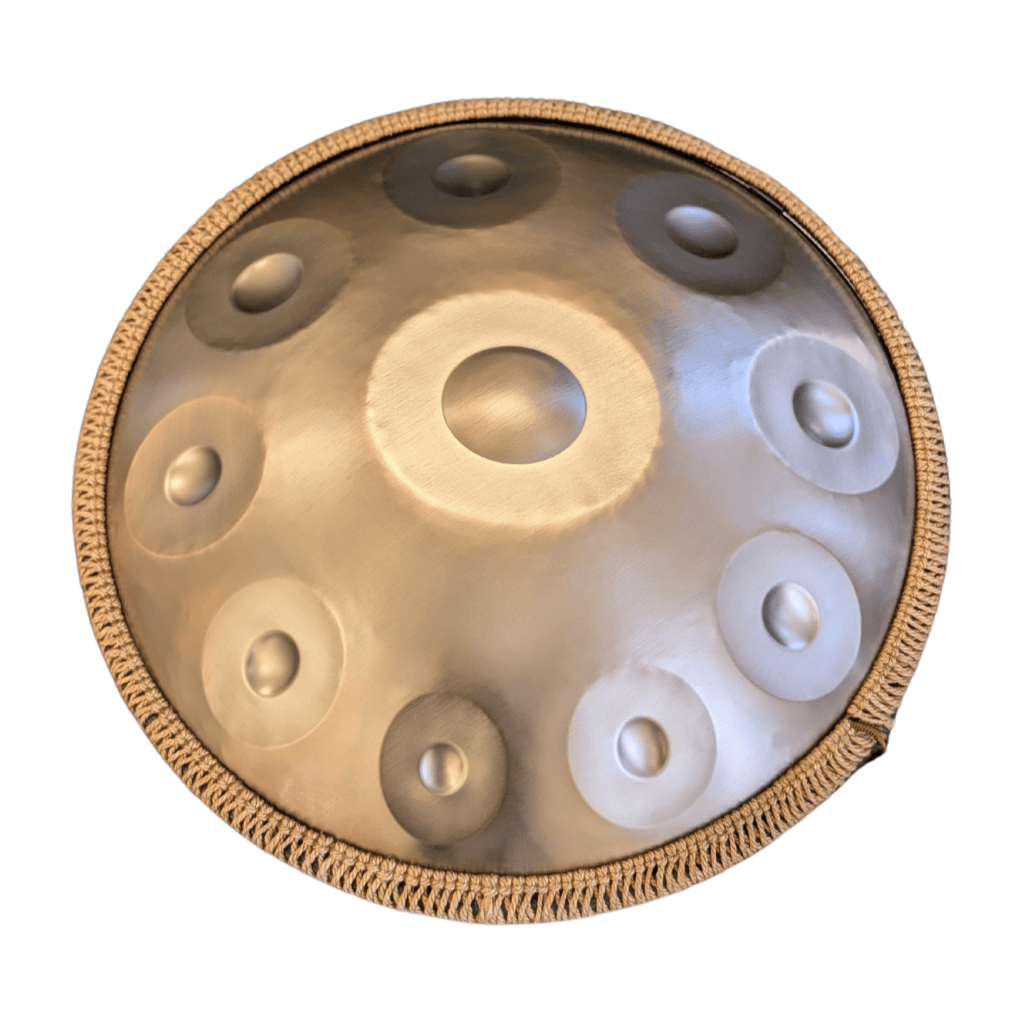
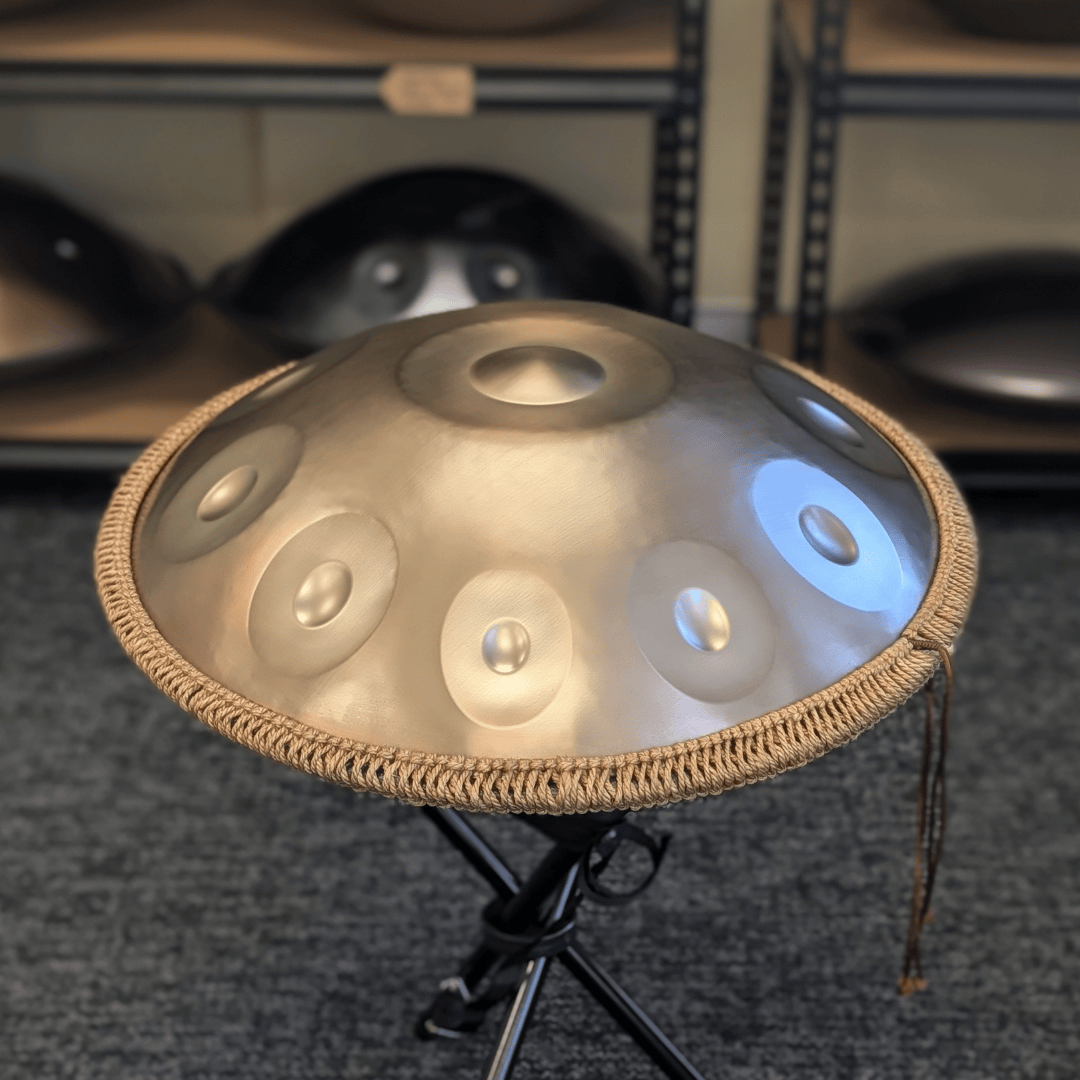
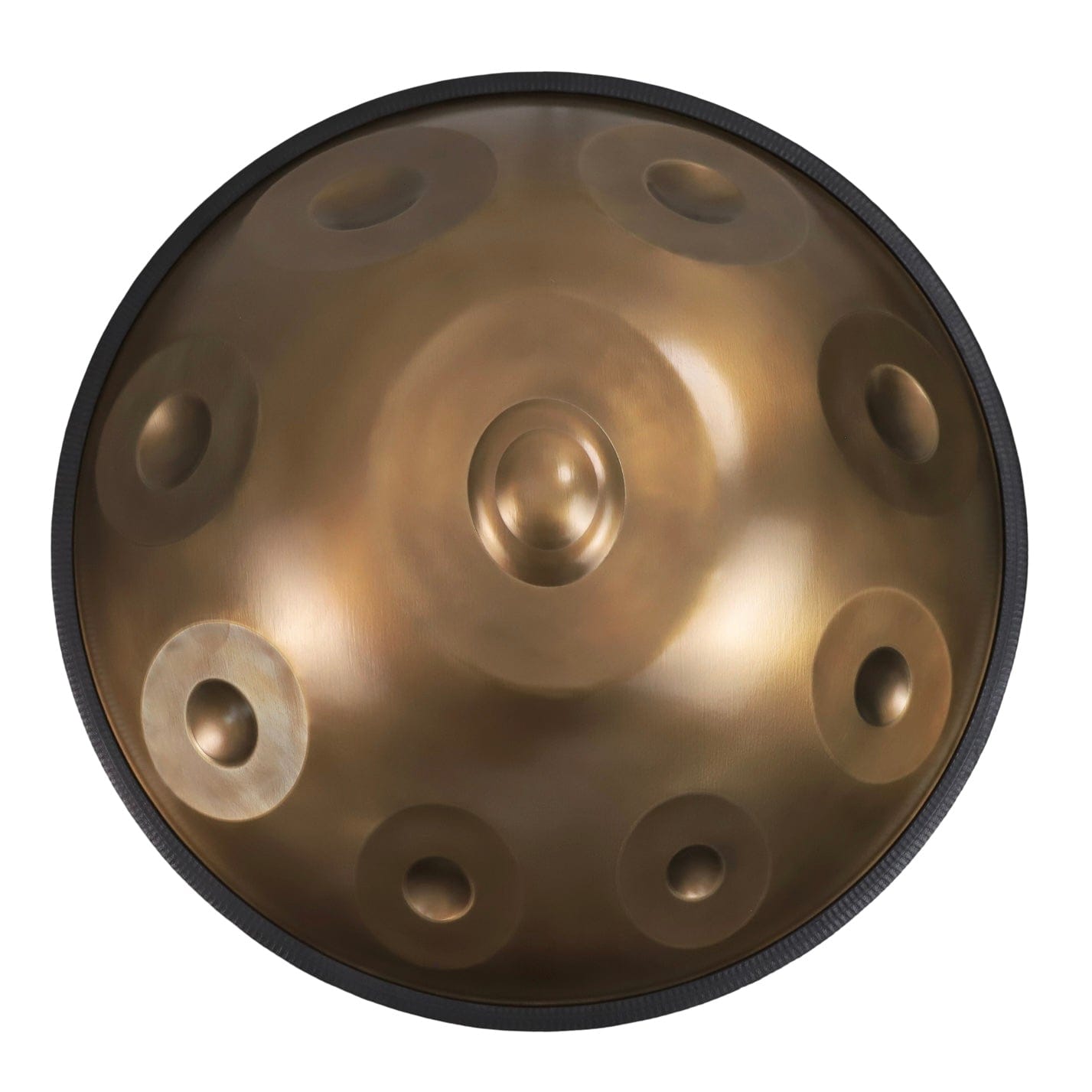
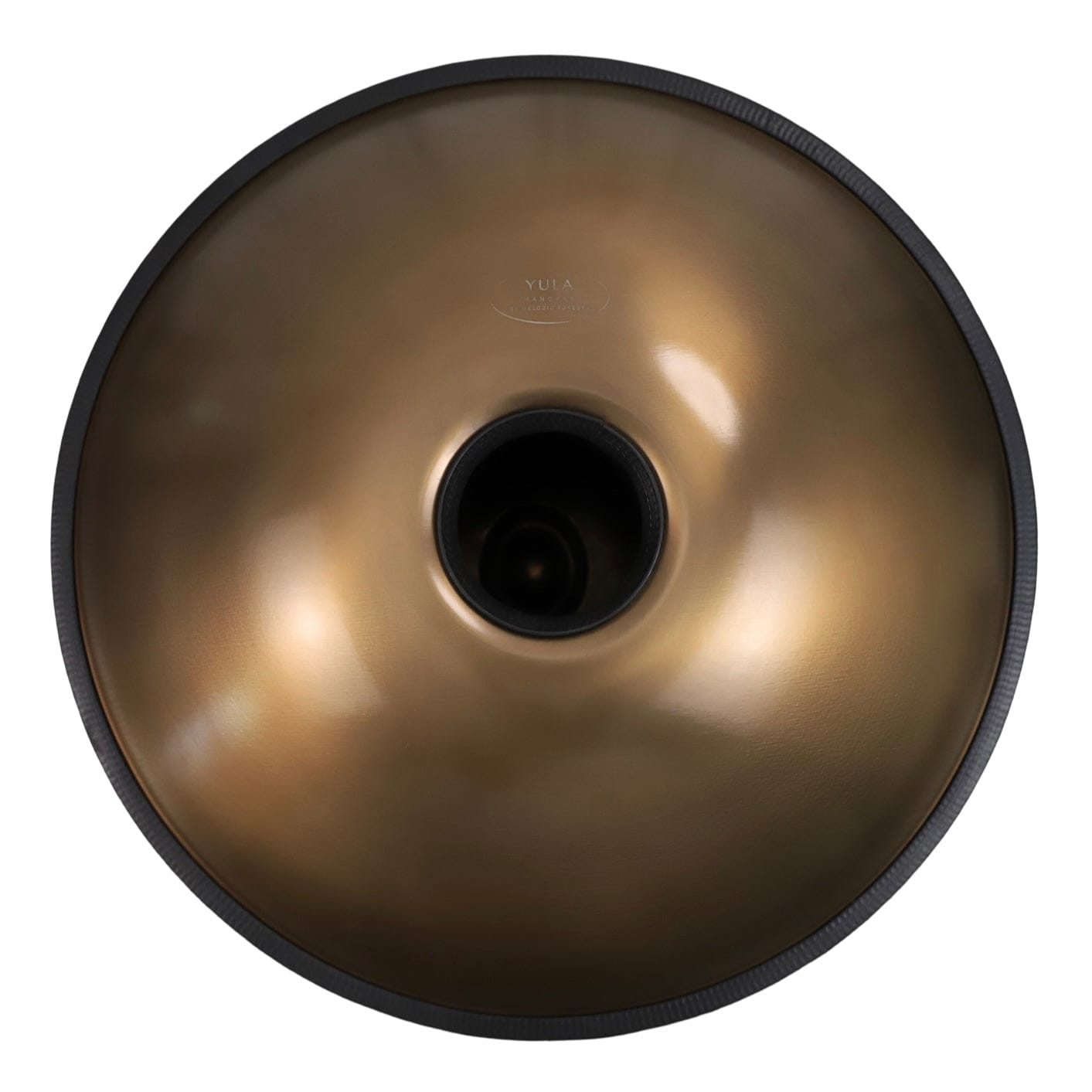
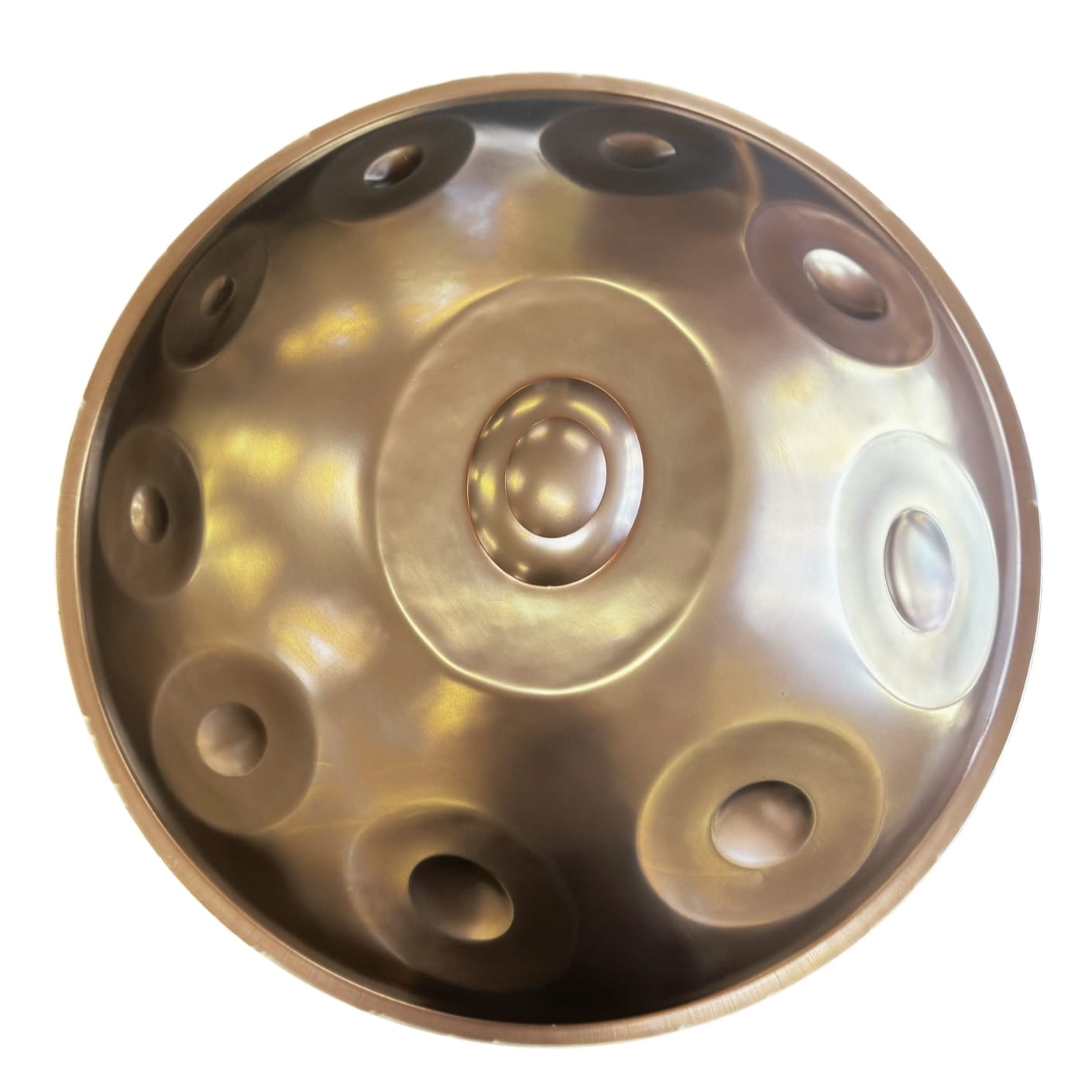
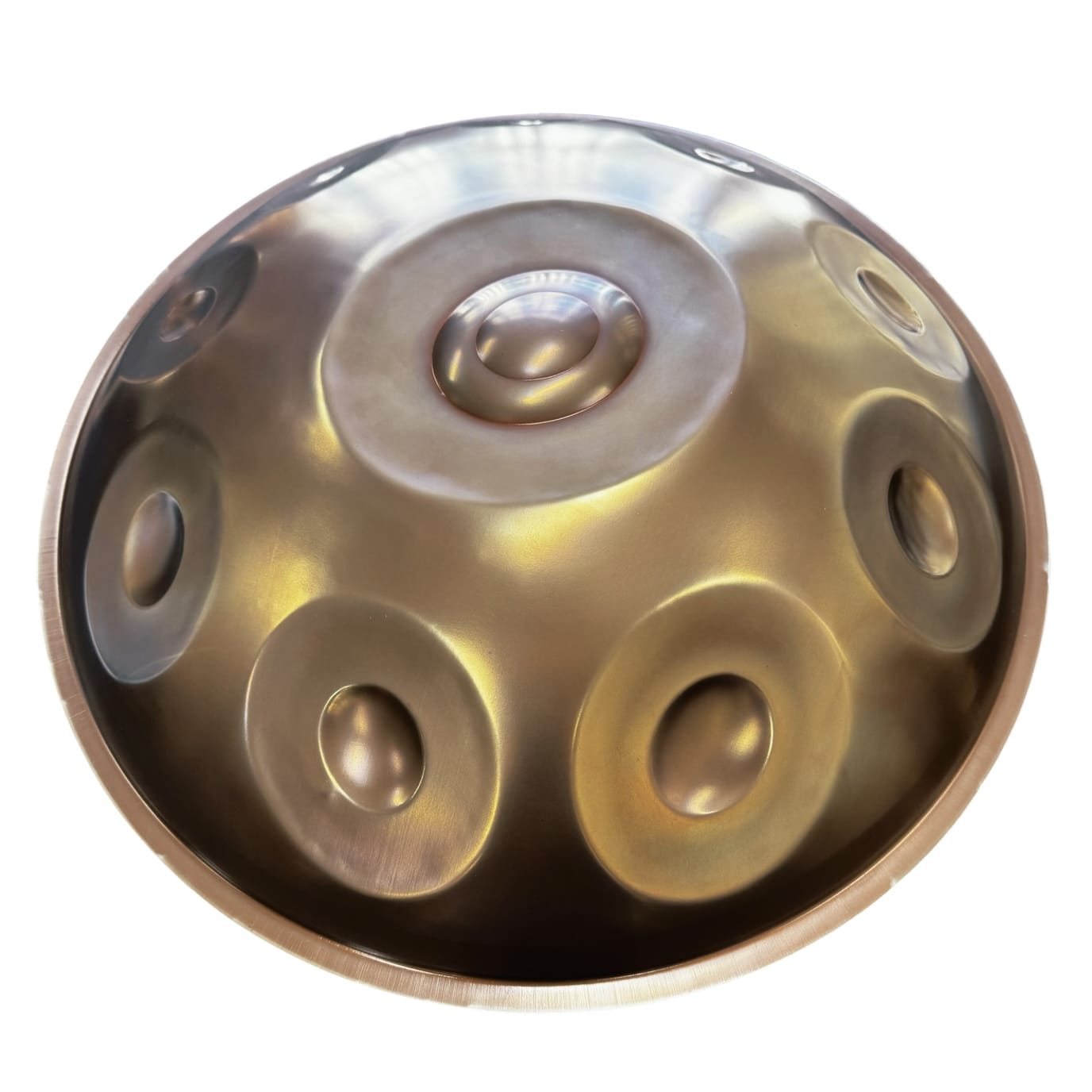
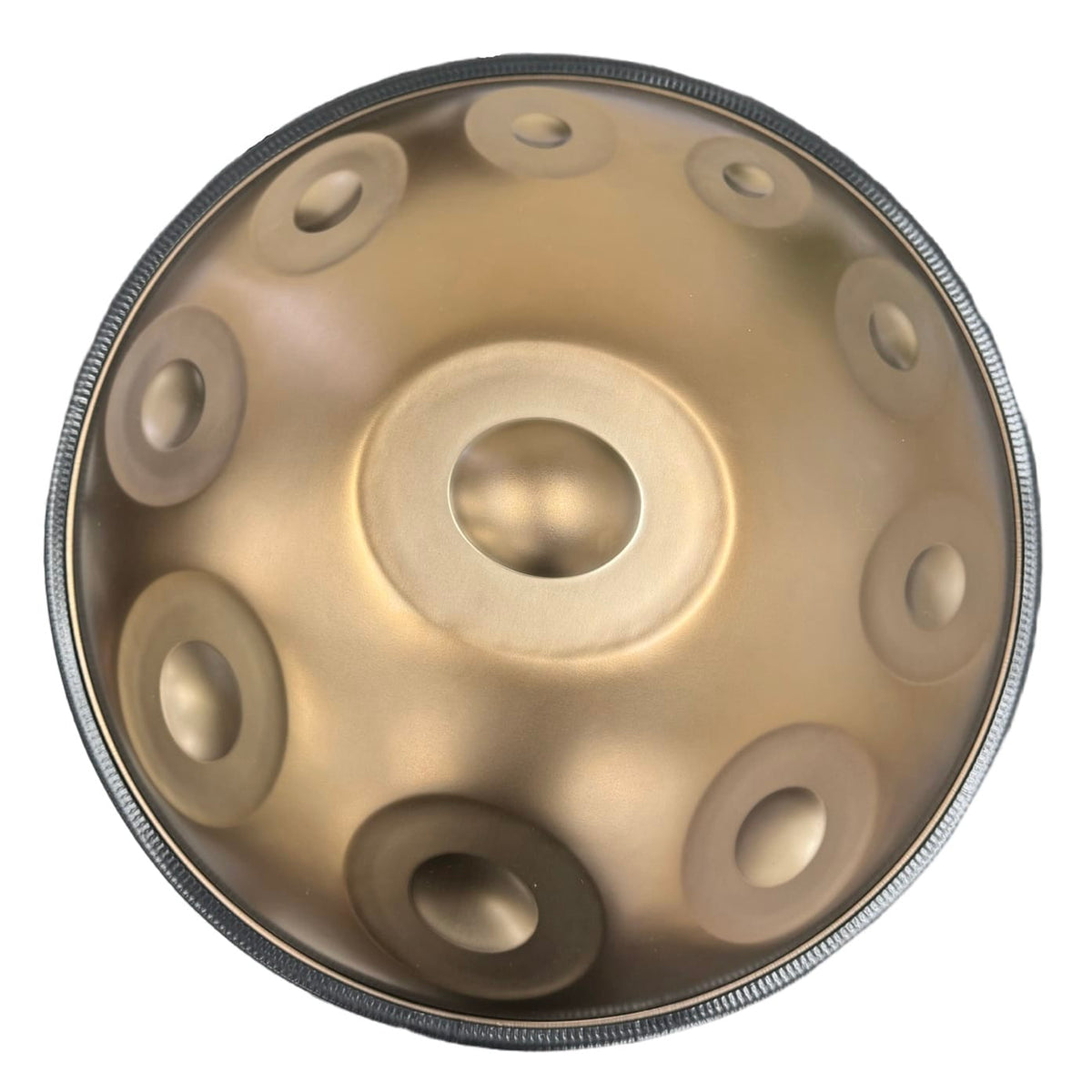
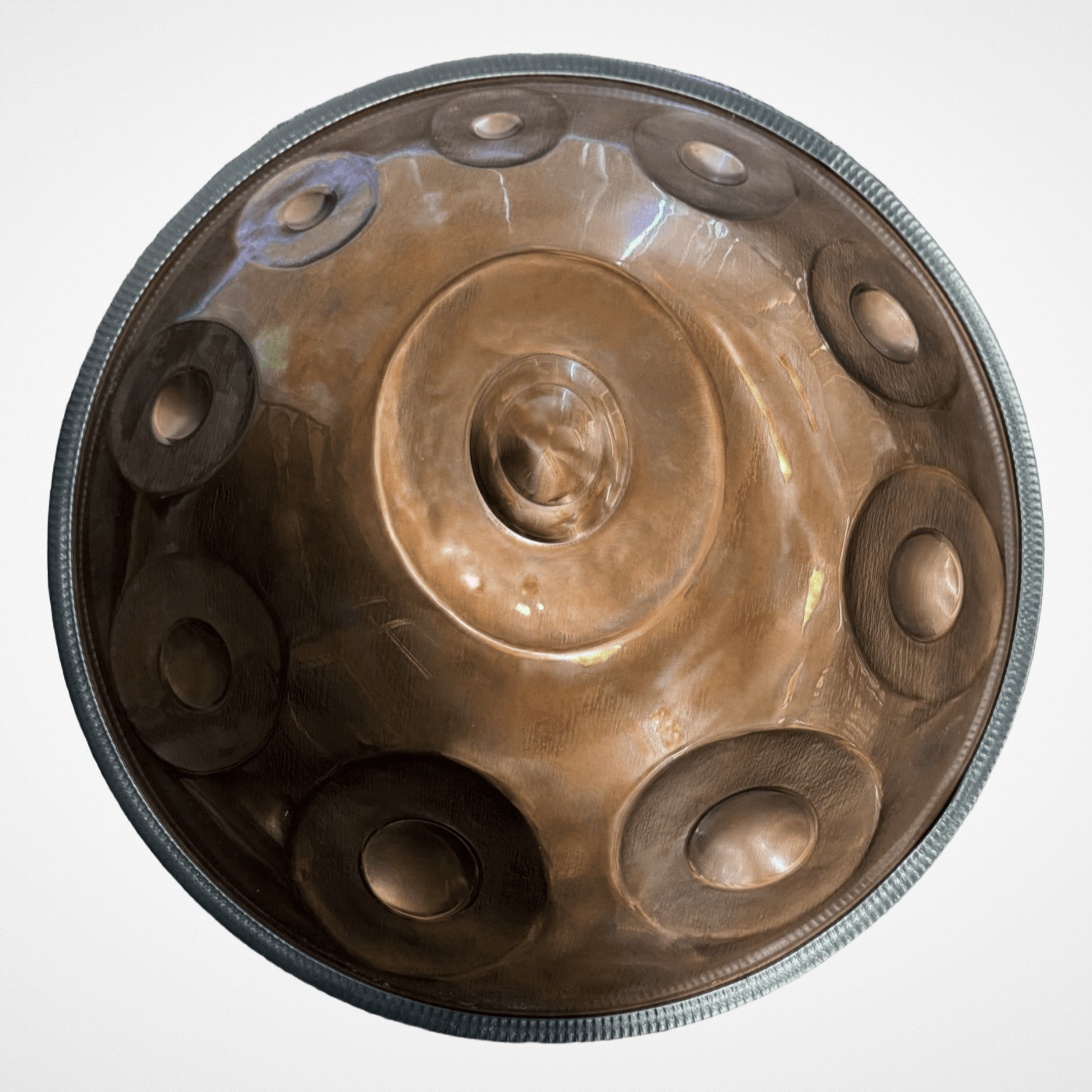
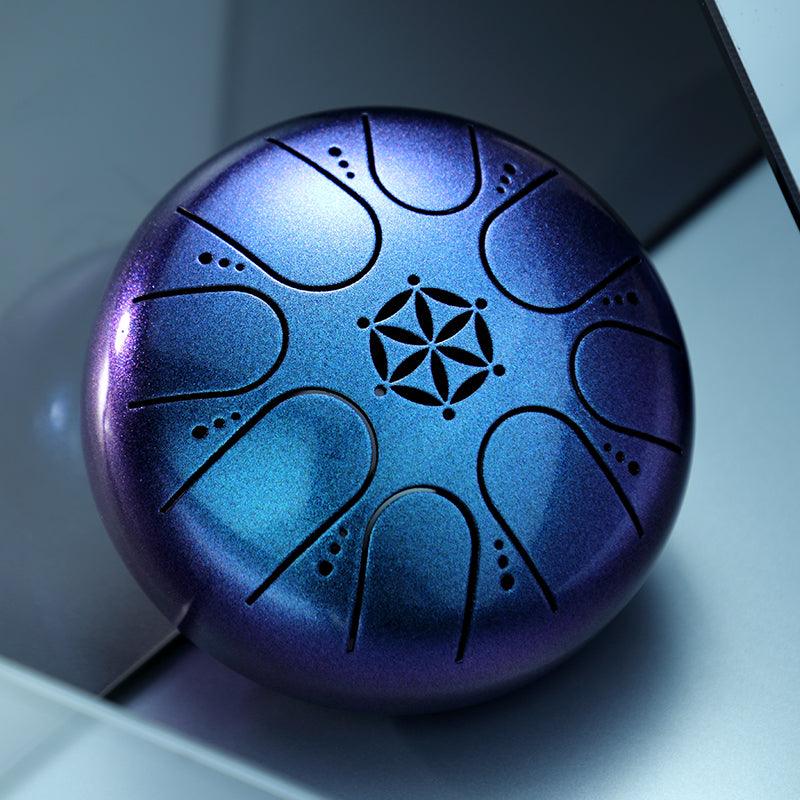
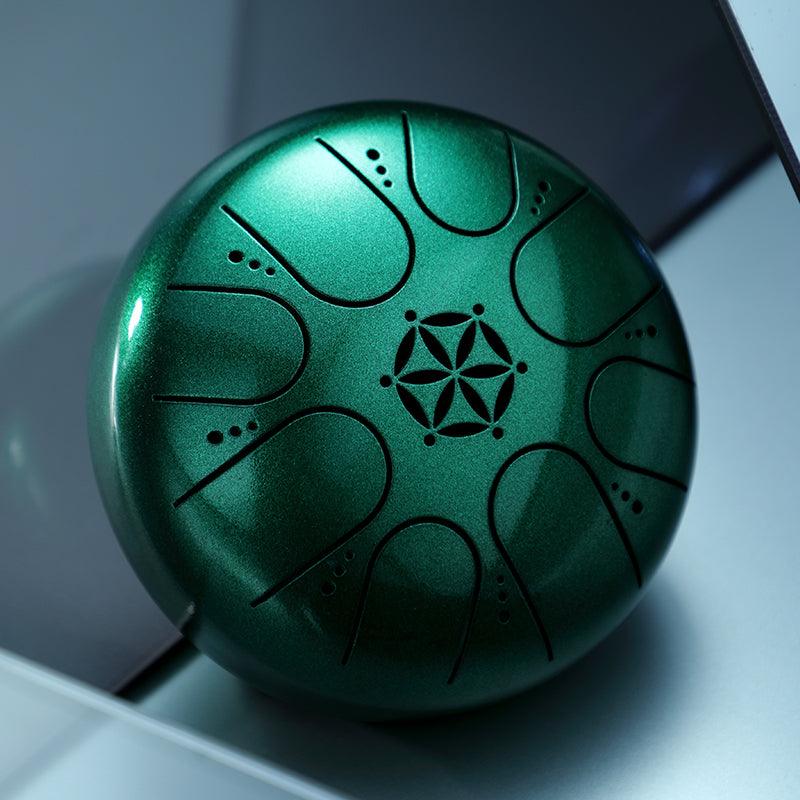
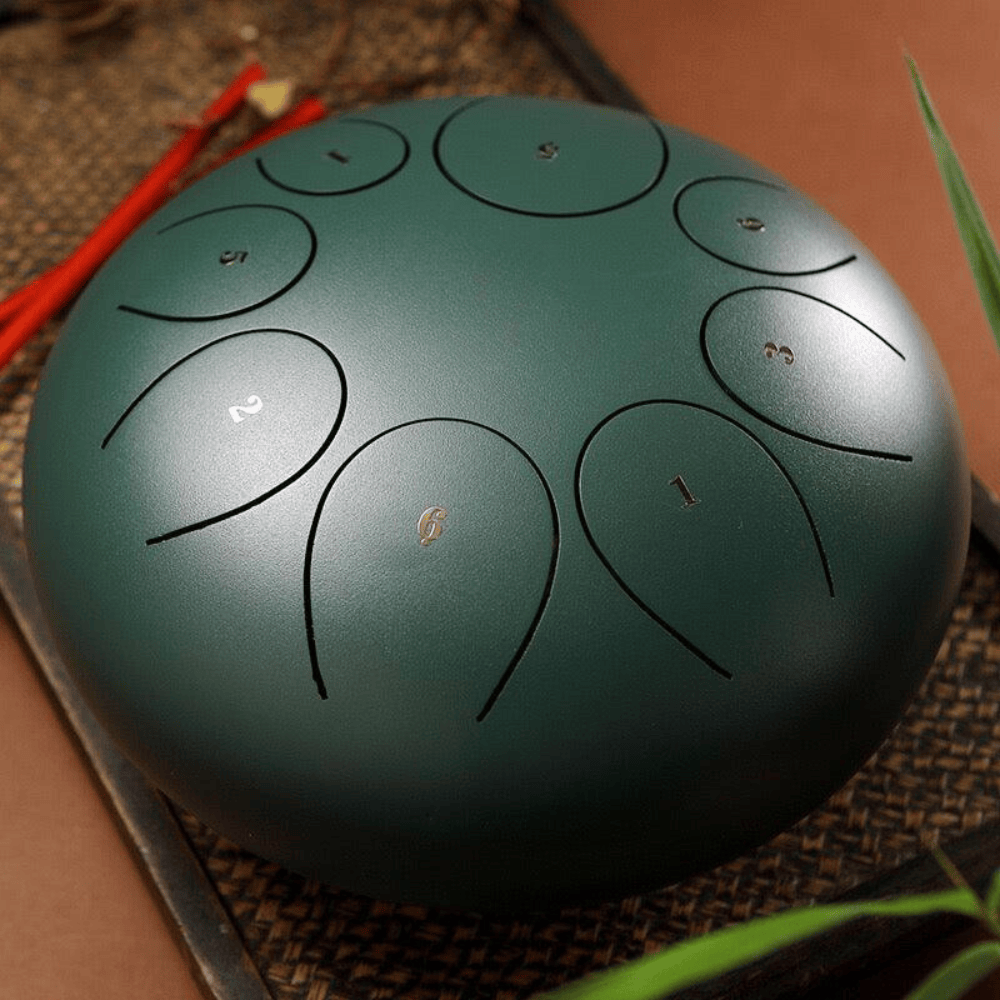
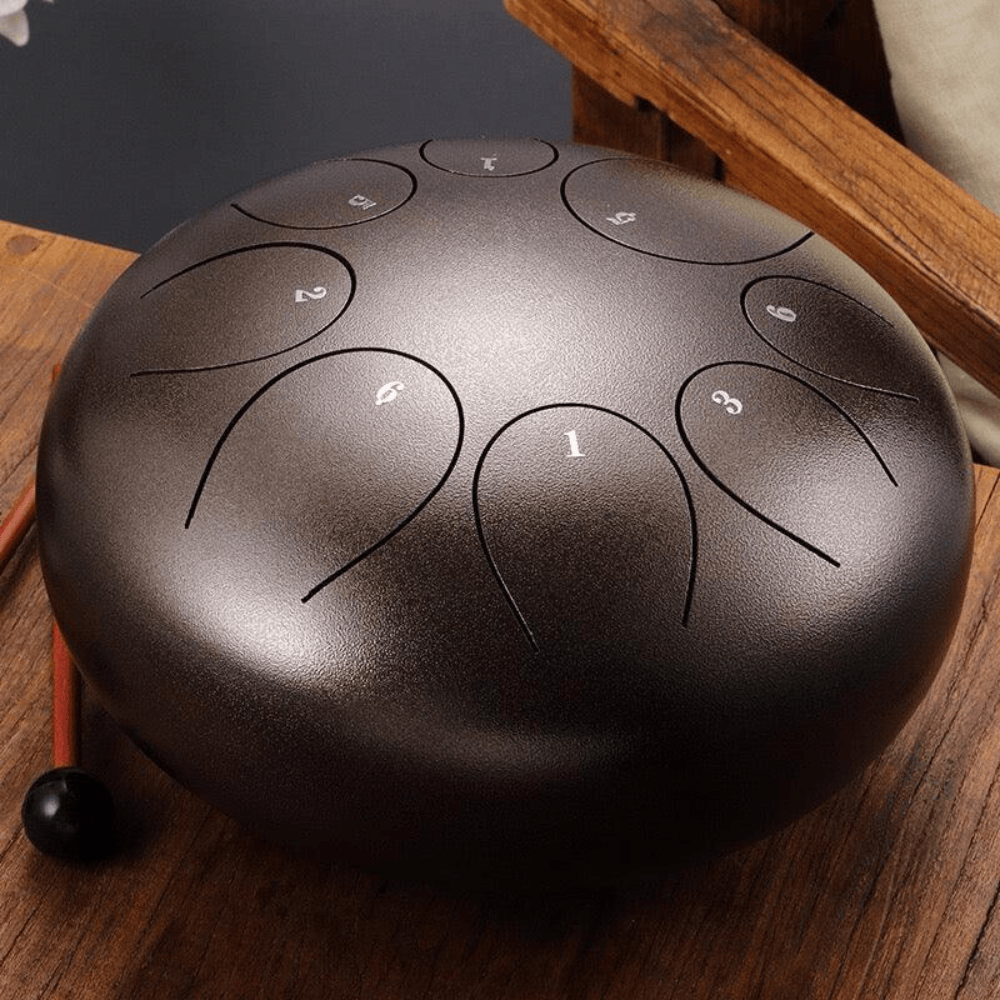
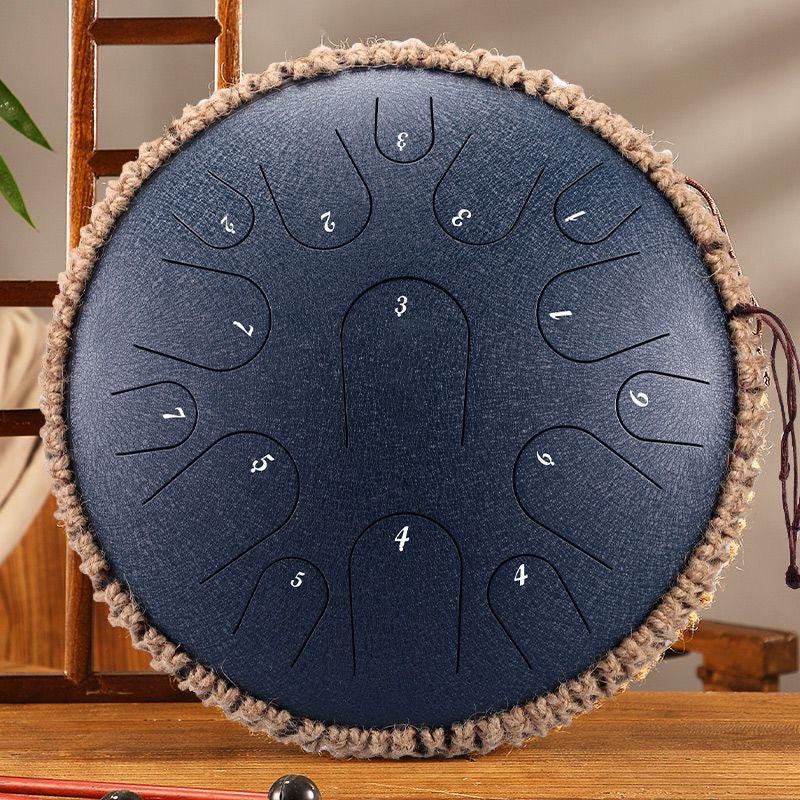
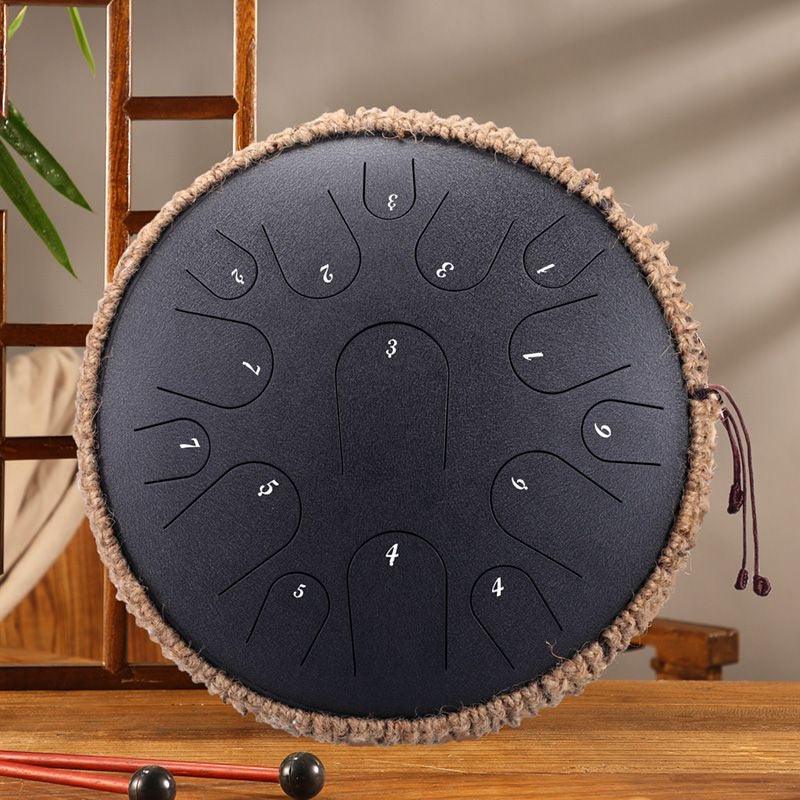
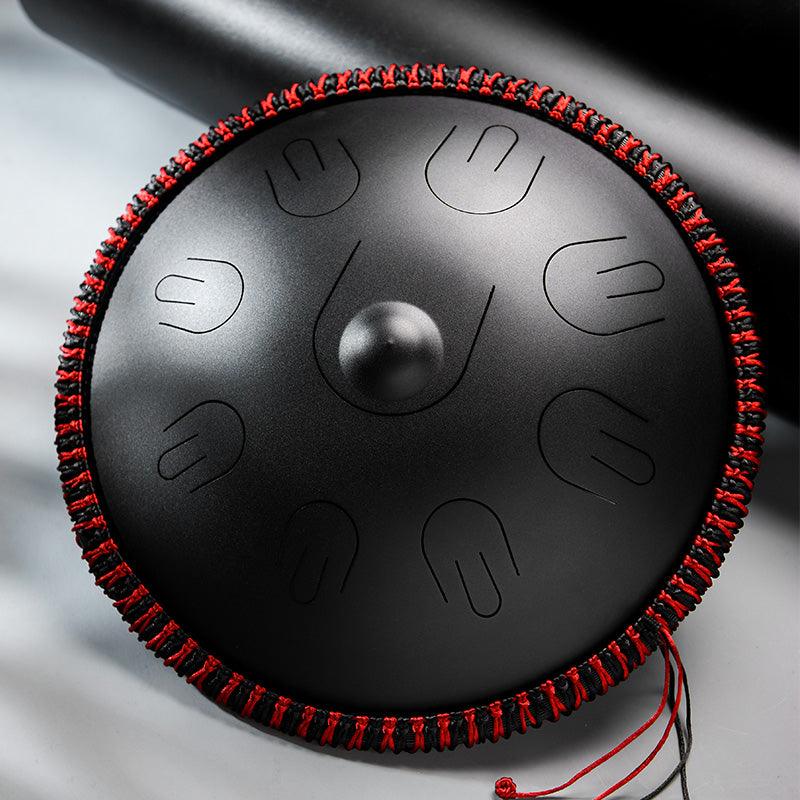
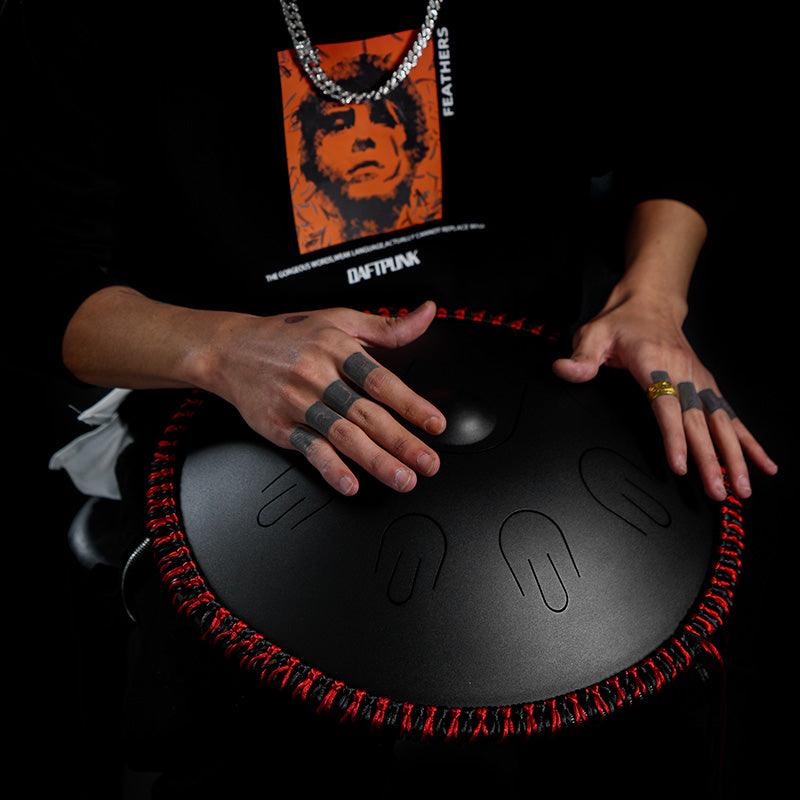
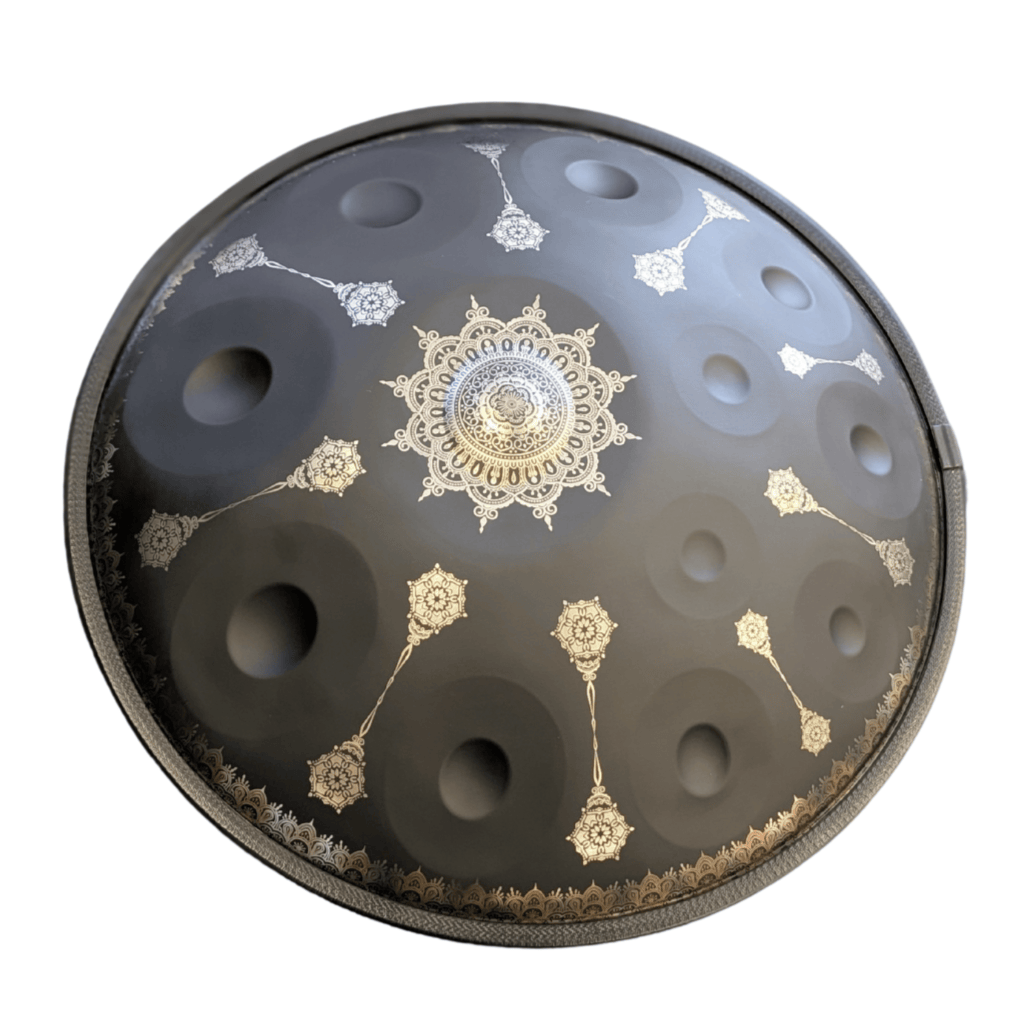
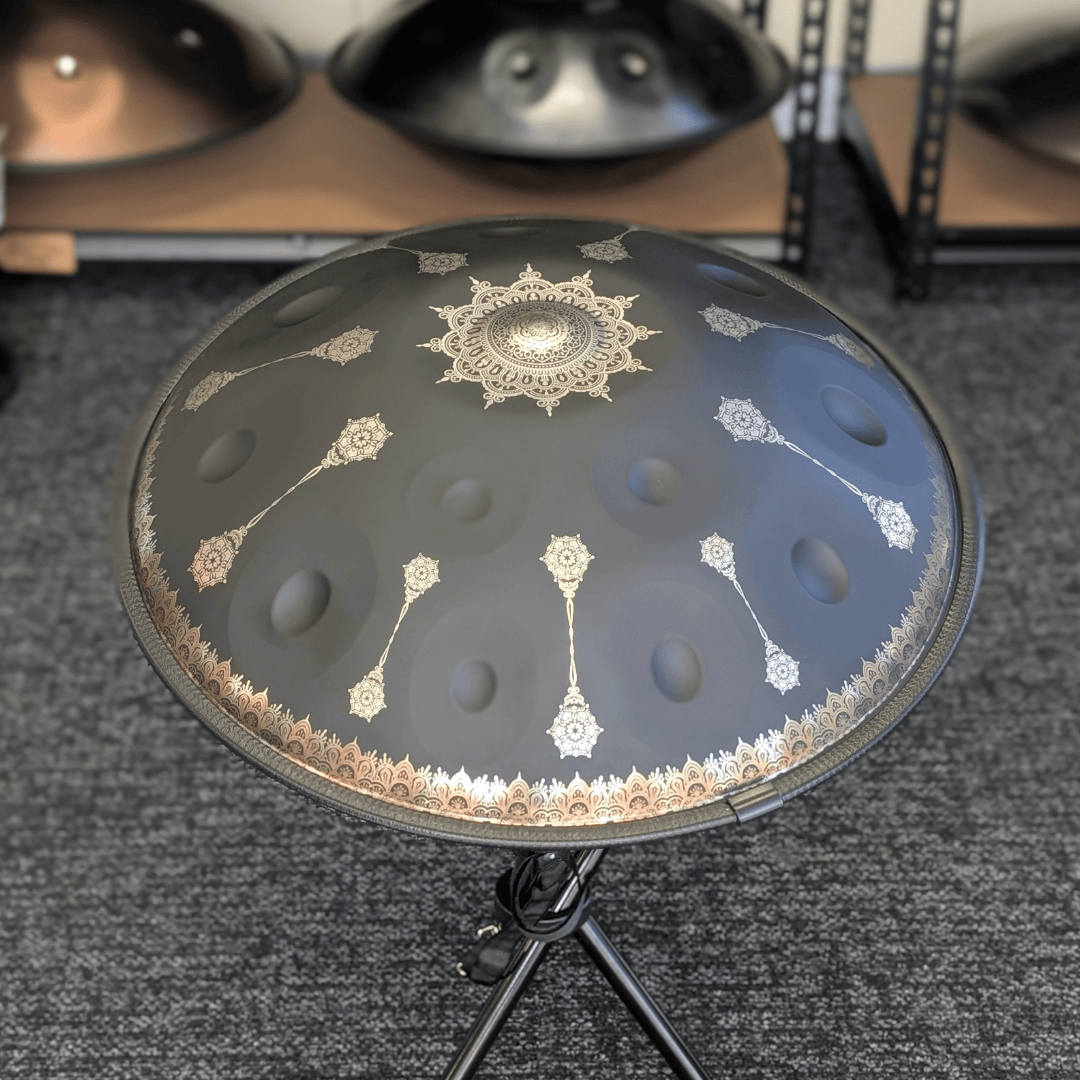
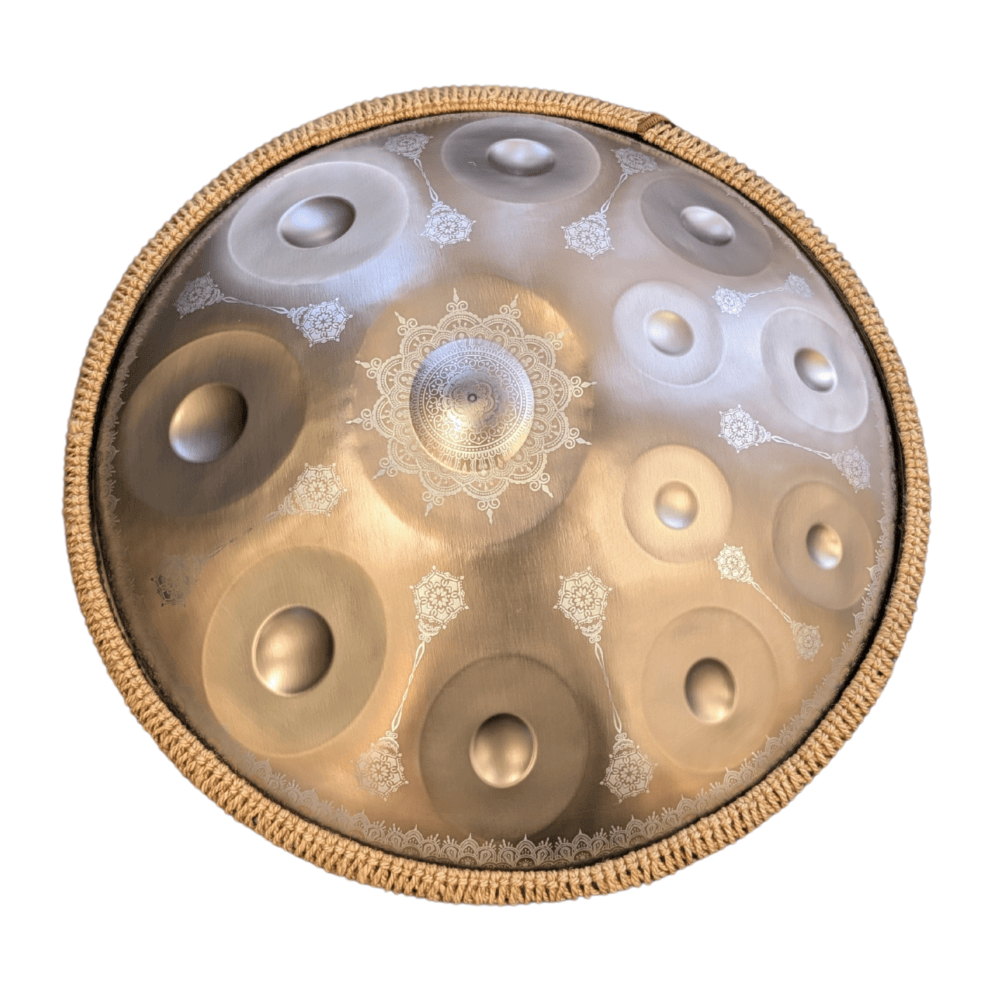
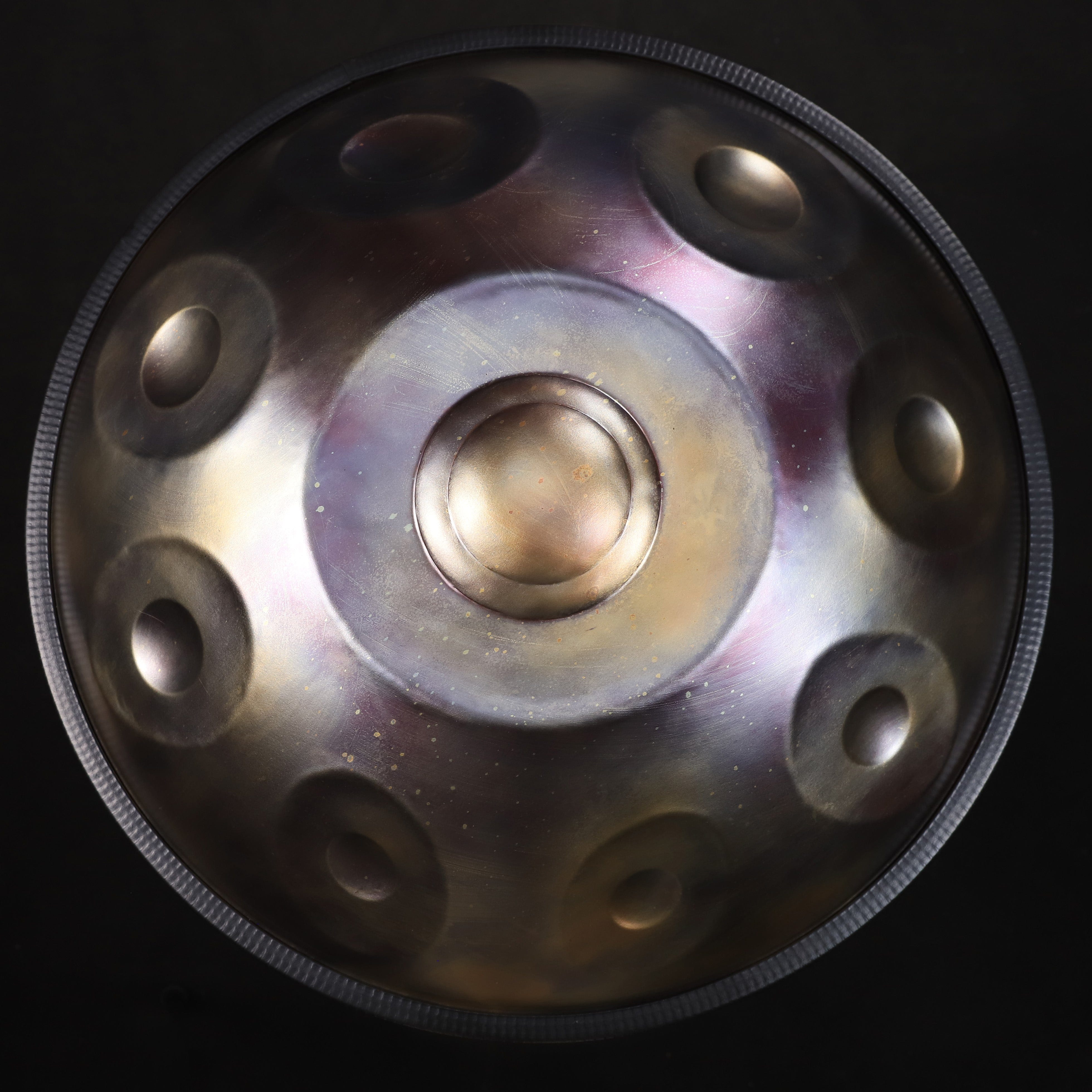
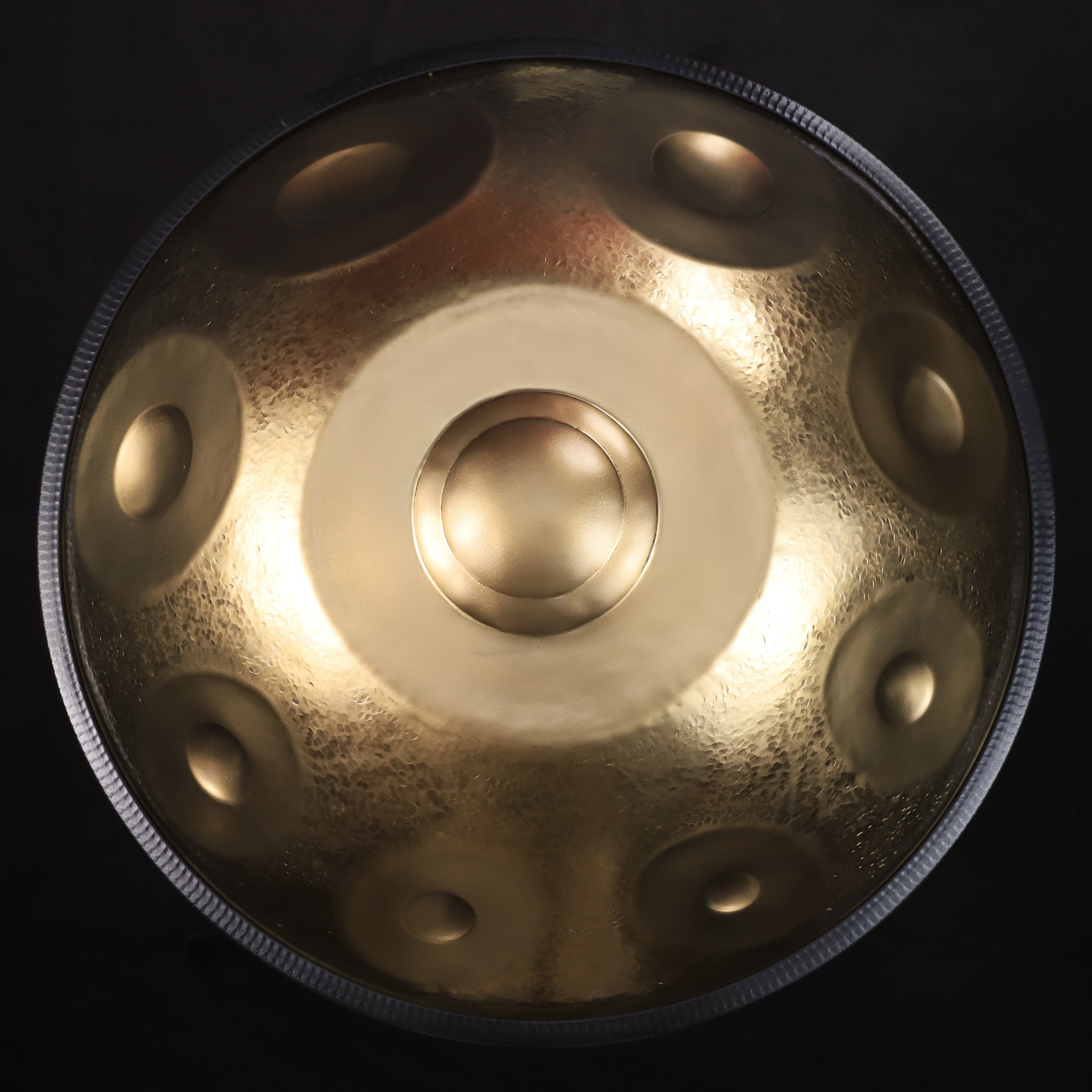
In recent years, modern melodic idiophones have gained significant popularity among expressive practitioners and community music facilitators. Handpans and steel tongue drums provide rich harmonic resonance while being tuned to harmonious scales, such as pentatonic or natural minor modes. These fixed tunings mean that any combination of notes sounds pleasing together, helping beginners bypass traditional performance anxiety.
Practitioners exploring melodic tools can read our detailed overview of handpans in music therapy settings or discover how compact thumb pianos support quiet interaction in our guide on the kalimba for music therapy. For those seeking gentle entry points into steel percussion, exploring the gentle path to sound healing why tongue drums welcome beginners explains how mallet play supports effortless note creation, while our broader review of music therapy instruments covers acoustic integration across varied session settings.
What to Expect at Melodic Forest
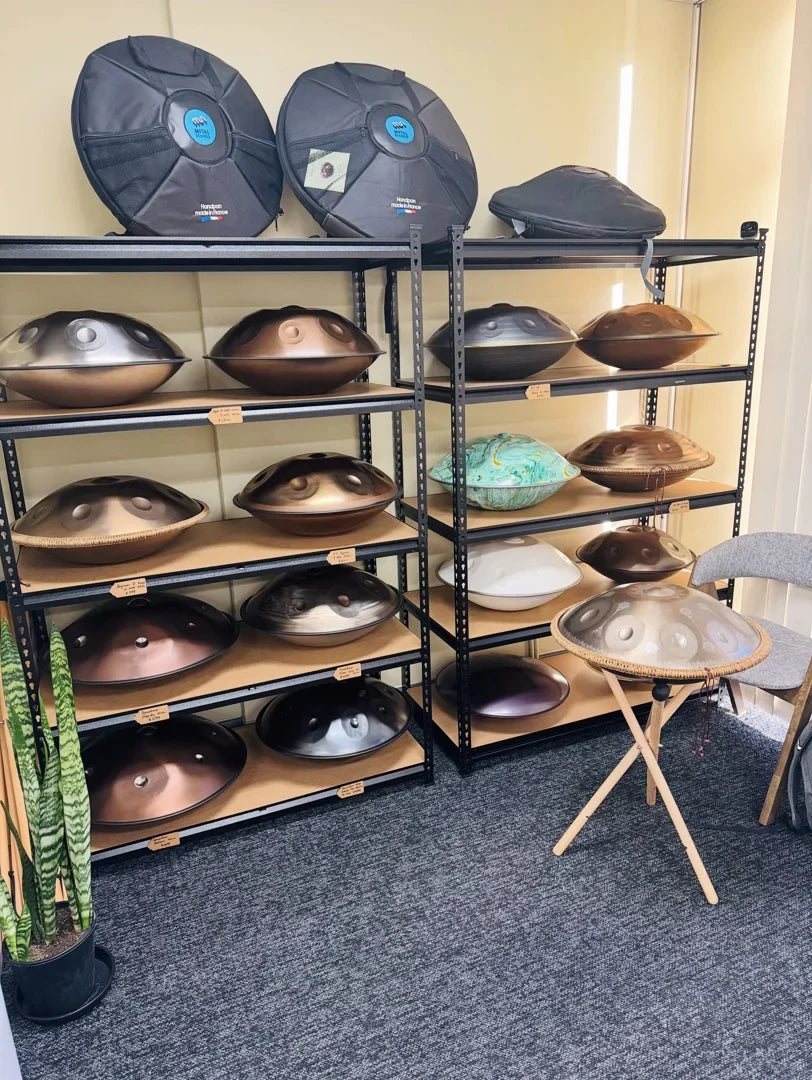
At Melodic Forest, we specialise in hand-selected melodic instruments that blend exceptional craftsmanship with intuitive ease of play. Our catalogue includes premium handpans, steel tongue drums, wooden kalimbas, and solid wood lyre harps, each individually inspected and hand-tested in Australia for precise pitch and pure acoustic resonance. We reject mass-produced shortcuts, ensuring that instruments identical in appearance online deliver true musical character and durability in your hands.
Visitors to our Sydney showroom in Villawood, NSW can experience these instruments in a relaxed, supportive environment, with walk-ins welcome Monday to Saturday from 9:00 am to 5:00 pm. While we do not deliver clinical therapy services ourselves, we provide comprehensive learning guides, free video tutorials, and dedicated after-sales care to assist you on your creative journey.
When to Get in Touch or Take Action
Finding the ideal acoustic companion depends on how you plan to use it, your preferred scale mood, and any specific tactile needs. If you are a practitioner designing an engaging group activity, or an individual seeking a calming personal hobby, reaching out for tailored advice can help you select the right scale, size, and material.
If you or someone you care for is experiencing acute emotional distress or navigating a medical condition, please seek guidance from a qualified medical doctor or registered allied health provider. For those looking to develop their musical skills or find structured guidance across Australia, connecting with our community network is an excellent starting point.
Practical Solutions and Reassurance
Starting or expanding your collection of expressive instruments does not require formal conservatory training. Begin by listening to high-quality audio demonstrations, exploring intuitive scales that evoke the atmosphere you enjoy, and permitting yourself to play freely without fear of wrong notes. Every individual responds to tone and timbre differently, so trust your personal listening preferences as you explore.
- Explore our complete catalogue of Shop All Instruments to discover hand-tuned acoustic pieces.
- Visit our educational Buying Guide & Product Care hub for expert advice on instrument selection and maintenance.
- Connect with experienced facilitators via our Find a Teacher directory across Australia.
- Reach out directly to our friendly team through our Contact Us page for personalised recommendations.
- Discover harmonic options in our sound healing instruments collection.
Frequently Asked Questions About Instruments Commonly Used in Music Therapy Practice
What instruments are commonly used in music therapy practice?
Music therapists commonly incorporate a wide variety of acoustic instruments, including melodic idiophones such as handpans and tongue drums, plucked instruments such as kalimbas, and resonant metal instruments such as singing bowls. The specific selection depends on the individual participant's preferences, physical comfort, and session goals.
How do music therapists choose instruments for a session?
A qualified music therapist evaluates several practical factors, including the client's motor capabilities, sensory thresholds, emotional state, and personal musical background. Practitioners also assess the acoustic qualities of the instrument, such as timbre, volume range, and whether the tuning structure allows for accessible, non-intimidating improvisation.
Are handpans, tongue drums and kalimbas used in music therapy?
Yes, many practitioners incorporate handpans, steel tongue drums, and kalimbas into their sessions because these instruments are tuned to harmonious scales that eliminate discordant notes. Their immediate physical resonance and accessible playing techniques allow participants to explore musical creativity and emotional expression without needing prior musical training.
Can an instrument replace professional healthcare?
No, musical instruments and sound-based activities are creative tools that support personal wellbeing and expression, but they are not medical treatments or substitutes for professional healthcare. Anyone experiencing physical, psychological, or mental health concerns should always consult a licensed medical professional or registered therapist for clinical diagnosis and care.
Where can I learn more about instruments and music-making?
You can explore detailed instrument overviews, tuning explanations, and free video lessons through the Melodic Forest educational guides. Additionally, our Australian teacher directory can connect you with local instructors, workshops, and expressive arts communities to support your ongoing learning journey.



Leave a comment
This site is protected by hCaptcha and the hCaptcha Privacy Policy and Terms of Service apply.